

Are Ultrasonic Dog Repellers Cruel? Vet's Honest Take on Barking Control
Here's a cold dose of reality: those 'silent' dog whistles? They're not always silent to *all* humans. Some folks with sensitive hearing or tinnitus can pick up those high-frequency sounds, turning your dog training tool into a personal torture device. I've seen it in the exam room, and it's not pretty.
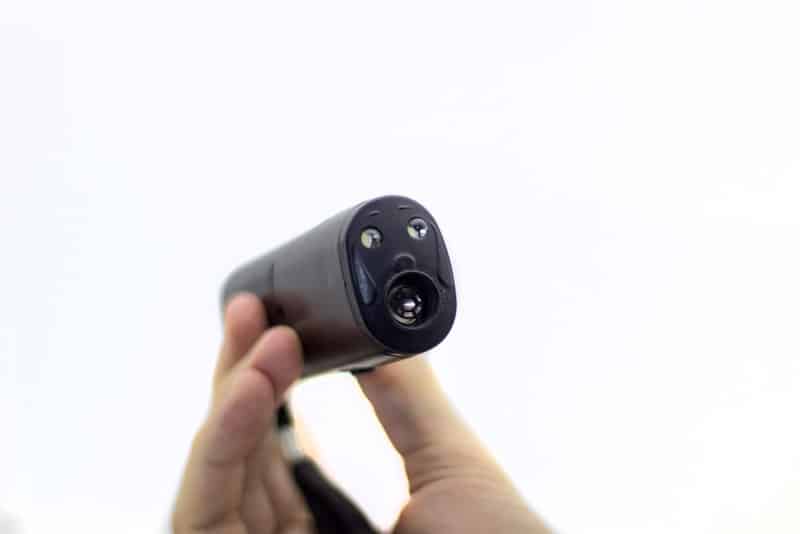
For busy owners, ultrasonic dog repellers emit high-frequency sounds to deter barking. While humans can't hear these sounds, dogs find them irritating. These devices come in indoor/outdoor and handheld versions. However, their effectiveness varies, and they may cause stress or worsen behavioral issues.
How Do Ultrasonic Dog Repellers Work on a Dog's Brain?
Ultrasonic dog repellers operate by emitting a high-frequency sound, typically around 25,000 Hz, which is beyond the range of human hearing but well within a dog's auditory perception (approximately 67 Hz to 45,000 Hz). The intent is to create an irritating stimulus that interrupts unwanted behaviors like excessive barking. But what's *really* happening?
From a clinical perspective, think of it this way: the sudden, unpleasant sound triggers a cascade of neurological events. It activates the dog's amygdala, the brain's emotional center responsible for processing fear and anxiety. This, in turn, releases stress hormones like cortisol. The goal is *associative learning*: the dog links barking with the unpleasant sound and reduces the barking behavior. However, this also risks creating generalized anxiety if the dog can't clearly associate the sound with their barking. Imagine the poor dog starts associating the sound with you? Now you have a much bigger problem.
What Are the Different Types of Ultrasonic Barking Deterrents Available?
The market offers a range of ultrasonic dog repellers, each designed for specific scenarios. You'll find indoor and outdoor models, as well as stationary and handheld options. Knowing the differences is mission-critical for responsible use. Here's the deal:
- Indoor Repellers: These are typically smaller units with a limited range, designed to discourage barking inside the home. Some are motion-activated, while others respond specifically to the sound of barking.
- Outdoor Repellers: These units often have a greater range and are weather-resistant. They're intended to deter barking from neighboring dogs or to create a 'no-go' zone in your yard.
- Handheld Repellers: These portable devices are useful during walks or training sessions. You point the device at your dog and activate it when they exhibit unwanted behavior.
Home-Care Hack: Before buying anything, try good old-fashioned training. I tell my clients this all the time: positive reinforcement works wonders. Reward your dog for quiet behavior. It's cheaper and strengthens your bond. Seriously, try it.
Where Are Ultrasonic Dog Repellers Typically Used?
While primarily marketed for barking control, ultrasonic devices are sometimes used for other behavioral issues. The main purpose is to deter inappropriate barking, but some owners attempt to use them for destructive chewing or even to interrupt digging. Honestly, I've even heard of people trying to use them on cats (don't do that).
Here's the clinical perspective: these devices are a *band-aid*, not a cure. They suppress a symptom without addressing the underlying cause. Excessive barking can stem from anxiety, boredom, territoriality, or even medical issues. Masking the symptom without diagnosis is just...bad medicine.
What Are the Advantages of Using an Ultrasonic Barking Device?
The primary appeal of ultrasonic repellers lies in their perceived convenience and lack of direct human involvement. The main advantages are:
- Unaffected Humans: Humans generally can't hear the ultrasonic frequencies, so the device doesn't create noise pollution for the owner.
- Variety of Options: The market offers indoor, outdoor, handheld, and stationary units, catering to different needs and environments.
- Potential Effectiveness: Some dogs do respond to the ultrasonic stimulus, leading to a reduction in barking.
What Are the Disadvantages & Risks of Ultrasonic Dog Repellers?
Despite the potential benefits, ultrasonic repellers carry significant risks that every owner needs to consider. Here's a breakdown of the downsides:
- Not Suitable for Multi-Pet Homes: The device affects all dogs within range, potentially punishing non-offending animals.
- Can Cause Stress and Anxiety: The unpredictable and aversive nature of the sound can induce chronic stress and anxiety. This is especially true for nervous dogs. Constant activation of the hypothalamic-pituitary-adrenal (HPA) axis leads to chronically elevated cortisol levels, suppressing the immune system and increasing susceptibility to illness.
- May Worsen Problem Behaviors: A stressed dog may exhibit increased barking, aggression, or destructive behaviors.
- Difficult to Monitor: Since humans can't hear the sound, it's hard to know if the device is functioning correctly or if the stimulus is appropriate.
- Variable Results: Effectiveness varies greatly between dogs, and there's no guarantee the device will work.
Red Flag Checklist: If your dog shows any signs of increased anxiety, fear, or aggression after using an ultrasonic device, STOP immediately. Consult with a veterinary behaviorist.
FAQ: Addressing Your Concerns About Ultrasonic Dog Repellers
Do ultrasonic dog repellers always work to stop barking?
No, ultrasonic dog repellers don't always work. Effectiveness varies depending on the dog's temperament, the environment, and the device's quality and placement. Success hinges on consistent device orientation and range.
Are ultrasonic dog repellers harmful to humans around the house?
Generally, no. The frequencies emitted are designed to be outside the human hearing range. However, some individuals with sensitive hearing may experience discomfort. If you have tinnitus, proceed with caution.
Are ultrasonic dog repellers actually humane for a dog?
That's a gray area. While less overtly cruel than shock collars, they rely on creating an unpleasant experience. For dogs already prone to anxiety, this can be detrimental. Always consider the potential for psychological harm.
What are effective alternatives to ultrasonic barking control?
Several humane and effective alternatives exist, including positive reinforcement training, addressing underlying anxiety, providing sufficient exercise and mental stimulation, and seeking guidance from a certified dog trainer or veterinary behaviorist.
Conclusion: The Final Verdict on Ultrasonic Dog Repellers
Ultrasonic dog repellers? They're a gamble, honestly. They *might* work, but the risks of stress, anxiety, and behavioral problems are very real. A better approach? Focus on understanding your dog's behavior and using positive, humane training methods. Your dog will thank you for it.