

Are Cats Reptiles? Let's Clear Up the Confusion
Okay, let’s get right to it. You're probably here because you've heard something, or maybe just had a weird thought while watching your cat sunbathe. It happens! The question, "Are cats reptiles?" is actually pretty common. And the answer is a resounding no. But let's dig into why, because understanding animal classification is actually pretty fascinating.
Quick Answer: Cats are mammals, not reptiles. Mammals are warm-blooded, possess fur or hair, and nourish their offspring with milk. Reptiles, conversely, are cold-blooded, typically have scales, and reproduce by laying eggs. Cats exhibit classic mammalian characteristics, solidifying their place within the mammalian class.
Understanding the Key Differences: Mammals vs. Reptiles
To really understand why cats aren't reptiles, we need to look at the fundamental differences between the two classes. It's all about those non-negotiable biological markers, you see.
Warm-Blooded vs. Cold-Blooded
This is a big one. Mammals, including cats, are endothermic, or warm-blooded. This means they can regulate their own body temperature, maintaining a constant internal environment, regardless of the external temperature. This is a mission-critical advantage.
Reptiles are ectothermic, or cold-blooded. They rely on external sources of heat, like the sun, to regulate their body temperature. That's why you see lizards basking on rocks. Cats? They just find a sunbeam indoors. Big difference.
Skin and Covering
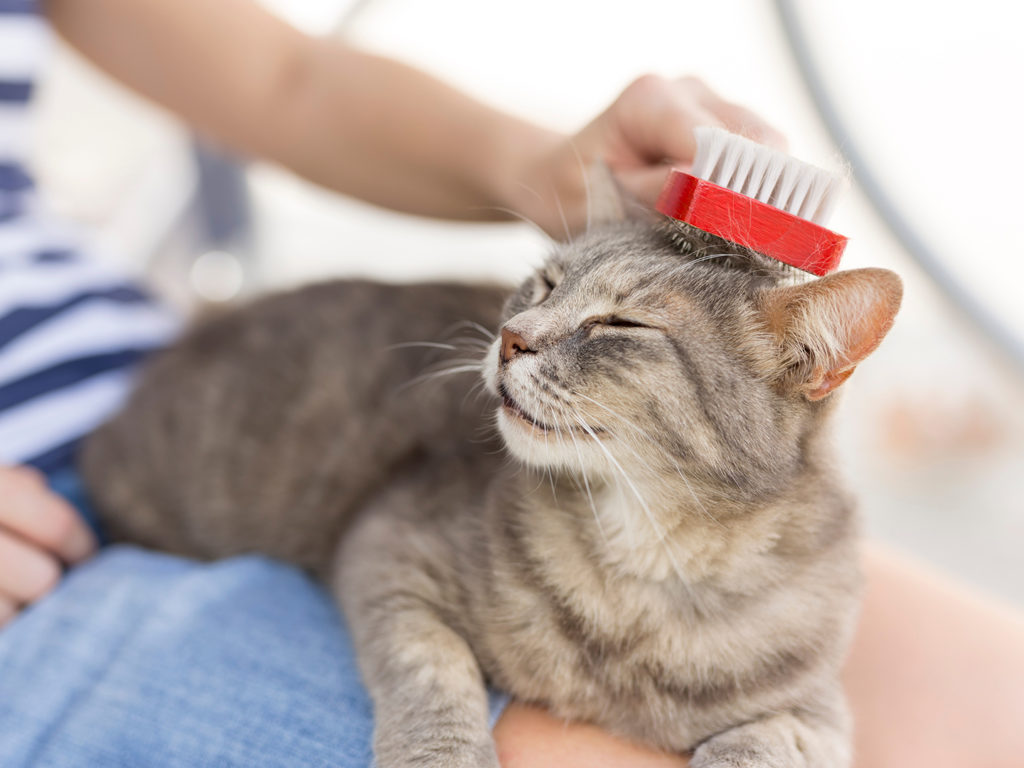
Another telltale sign? Look at the skin. Mammals have fur or hair. Cats have a luscious coat of fur, providing insulation and tactile sensory input. Reptiles are covered in scales. Scales are made of keratin, the same stuff as our fingernails, but they serve a different purpose: protection and water retention.
You won't find a single scale on your cat (unless it's a very, very weird cat). Okay, maybe a little dandruff, but that doesn't count.
Reproduction
Mammals are typically viviparous, meaning they give birth to live young. And, crucially, they nurse their young with milk produced by mammary glands. Kittens depend on their mother's milk for essential nutrients. Reptiles, on the other hand, are generally oviparous, laying eggs. Think snakes, lizards, turtles – all lay eggs.
No eggs from cats. Ever. Case closed.
Delving Deeper: Feline Anatomy and Physiology
Let’s examine some specifics. What makes a cat a cat? It's more than just fur and purrs.
Skeletal Structure
A cat’s skeletal structure is distinctly mammalian. Their bone structure allows for incredible flexibility and agility. Think about how they can contort themselves into the smallest boxes. Reptiles, while also diverse, have different skeletal adaptations reflecting their specific lifestyles.
Internal Organs
Cat organs? Mammalian. Heart, lungs, liver, kidneys – all functioning in ways consistent with other mammals. The digestive system, respiratory system, circulatory system... all pointing to mammal, not reptile.
Brain Structure
Cat brains are complex. They exhibit sophisticated cognitive abilities, including problem-solving, learning, and social interaction. While reptile brains are certainly functional, they lack the same level of complexity and development. That's why Fluffy can open the treat jar, and a lizard... well, a lizard mostly just sits there.
The Expert's Corner: A Vet's Perspective
I've seen a lot of cats in my exam room over the years. From the grumpy old tomcat with chronic kidney disease to the hyperactive kitten who eats everything in sight. And I can tell you, without a shadow of a doubt, they are all mammals. I've never once had to reach for the reptile husbandry manual.
Pro-Tip: Sometimes, a cat's behavior might seem a little... cold-blooded. Like when they stare blankly at you after you've tripped over them in the dark. Or when they bring you a "gift" (a dead mouse). But that's just cat behavior. It doesn't mean they're secretly reptiles. It just means they're cats.
Pay attention to their vital signs, too. A cat's normal body temperature is around 100.5 to 102.5 degrees Fahrenheit. Try and get a lizard to hold still for a rectal thermometer reading! Good luck with that.
Remember, if you're ever concerned about your cat's health or behavior, always consult with your veterinarian. We're here to help you keep your furry (not scaly) friend happy and healthy.
Common Misconceptions About Cats
Where does this confusion even come from? There are a few reasons why people might wonder if cats are reptiles.
- Sunbathing: Cats love to bask in the sun, which might remind people of reptiles.
- Slit Eyes: Some people associate slit-shaped pupils with reptiles.
- Agility: Cats are incredibly agile and can move with surprising speed, like some reptiles.
However, these are just superficial similarities. The underlying biology is completely different.
Final Verdict: Cats Are Definitely Mammals
Let's put this to rest once and for all. Cats are mammals. They have fur, they give birth to live young, they nurse their kittens with milk, and they regulate their own body temperature. They are warm, cuddly (sometimes), and definitely not reptiles.