

Is Your Cat a Mini-Tiger? Exploring the Felidae Family
Okay, so you're curious about cat species. Good on you. It's a question I get asked a lot in the exam room, usually after I’ve just delivered some not-so-great news about Fluffy’s dental health. People start thinking about the big picture – where do our furry companions *really* come from?
The answer isn't as straightforward as you might think, but it's definitely interesting.
Let's break it down.
The One and Only: *Felis catus*
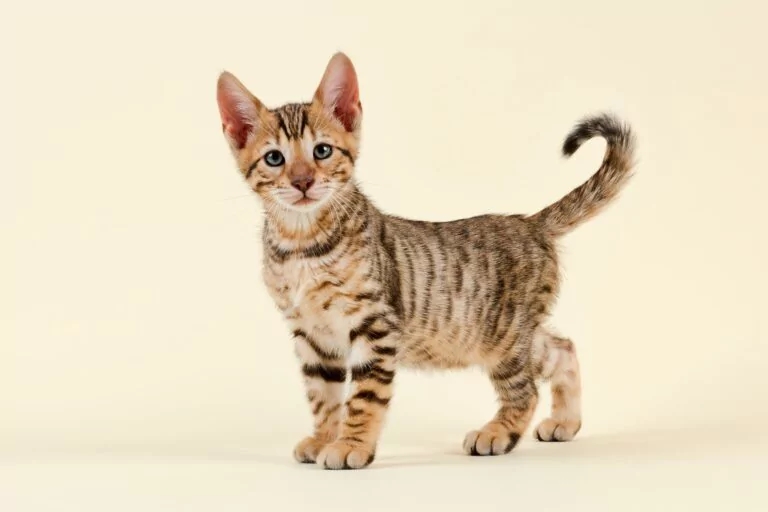
Your purring pal at home? That’s *Felis catus*, the domestic cat. Singular. One species. But there’s more to the story.
The Felidae Family: A Wild Bunch
This is where things get interesting. The Felidae family encompasses all cat species, both domestic and wild. This includes lions, tigers, leopards, jaguars, cheetahs, servals, and ocelots. It's a diverse and fascinating group. So, how many are there? The number fluctuates depending on who you ask (the taxonomists, bless their hearts, love to argue). But the general consensus is around 40 species.
Why the Confusion?
Species classification can be tricky. It's based on a combination of genetics, physical characteristics, and behavior. As we learn more about these animals, classifications can change. What was once considered a subspecies might be elevated to a full species, and vice versa. It's a constantly evolving field. Don’t get hung up on the exact number.
- Genetic analysis: DNA evidence can reveal relationships between different cat populations.
- Morphological differences: Subtle variations in skull shape, coat pattern, and body size can distinguish species.
- Geographic isolation: Populations that are geographically separated may evolve into distinct species over time.
The Expert's Corner: Vet's Perspective
In practice, understanding the different cat species helps us appreciate the incredible diversity within the Felidae family. Knowing the evolutionary history of cats can also inform our understanding of their behavior and health. For example, a cat's hunting instincts are deeply rooted in its wild ancestry. That explains why Mittens is obsessed with chasing that laser pointer. It’s not just a game; it’s hardwired!
Pro-Tip: Enrich your indoor cat's environment with interactive toys and climbing structures to satisfy their natural instincts. A bored cat is often a destructive cat. And nobody wants that.
Domestic Cat Breeds: A Different Story
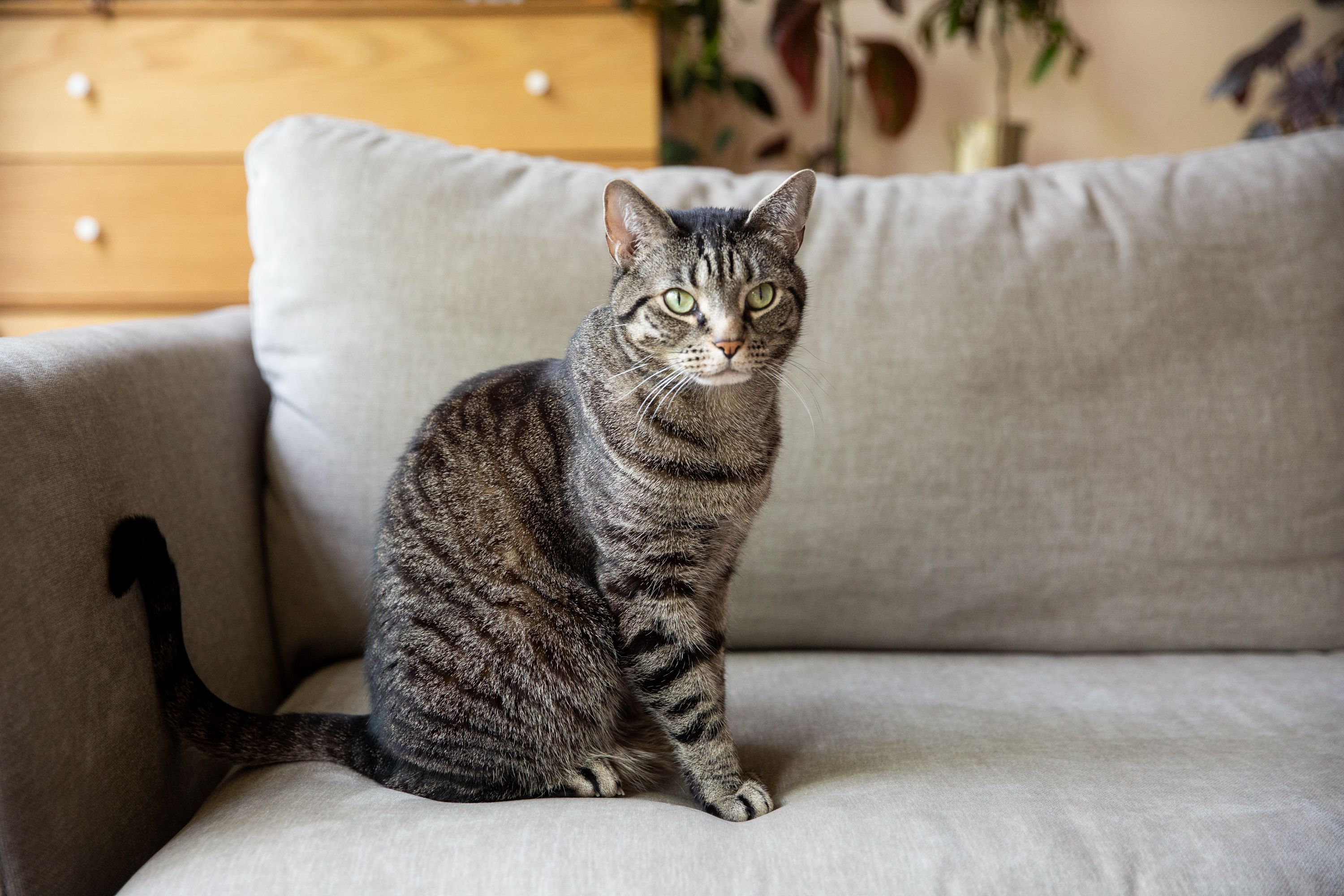
Now, *breeds* are a whole different kettle of fish. Within the *Felis catus* species, we have hundreds of different breeds, each with its own unique characteristics. These breeds were created through selective breeding by humans. Think Persians, Siamese, Maine Coons – all *Felis catus*, but with vastly different appearances and temperaments.
Vet-speak translation: We sometimes see breed-specific predispositions to certain diseases. For example, Maine Coons are more prone to hypertrophic cardiomyopathy (HCM), a heart condition. It's crucial to be aware of these predispositions to provide the best possible care.
So, Are Lions and Tigers Just Big Kitties?
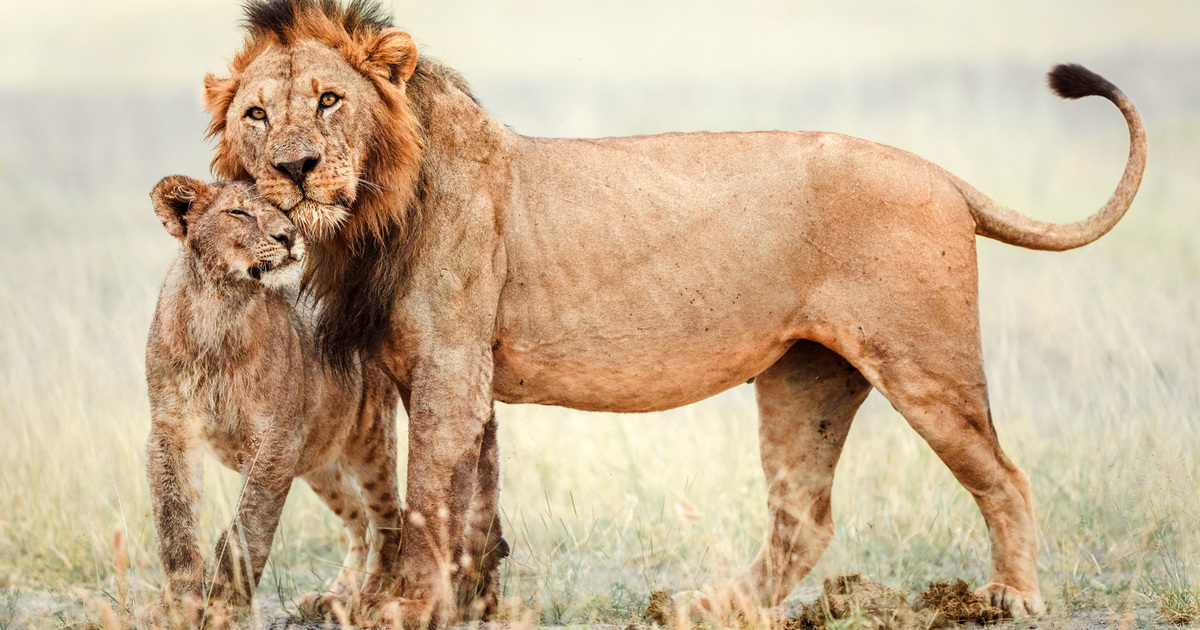
Well, yes and no. They're all part of the same family (Felidae), sharing a common ancestor. But lions and tigers are distinct species with their own unique adaptations and behaviors. While your house cat might share some genetic similarities with these magnificent creatures, they've evolved along different paths. Still, it’s fun to think about, right?