

Are Cats Mammals? Let's Settle This.
Okay, let's talk cats. You're here because you’re wondering if your feline overlord is *actually* a mammal. Valid question! Sometimes, watching them do weird cat things, you have to wonder. The short answer? Absolutely. But let's dive into why. Understanding your cat's biology is mission-critical for providing the best care. So, let's get started.
Ever been in the exam room when I’m explaining something basic, and the owner looks at me like I’ve sprouted a second head? Yeah, this isn’t one of those times, I hope!
What Defines a Mammal? The Non-Negotiable Traits
To understand if cats qualify, we need to know the rules. What makes a mammal a mammal? Here are the key traits:
- Warm-Blooded (Endothermic): Mammals maintain a constant internal body temperature. Pretty important.
- Fur or Hair: All mammals have fur or hair at some point in their lives. Even whales have some hair as fetuses!
- Live Birth (Mostly): Most mammals give birth to live young. Exceptions exist, like the platypus.
- Mammary Glands: Females produce milk to nourish their young. Crucial for survival.
- Three Middle Ear Bones: A defining characteristic separating mammals from other vertebrates.
Cats: Checking the Mammalian Boxes
So, how do cats stack up against these criteria? Let's take a look.
Warm-Blooded Wonders
Cats are definitely warm-blooded. Their internal body temperature hovers around 100.5 to 102.5°F (38.1 to 39.2°C). If a cat's temperature dips too low (hypothermia) or spikes too high (hyperthermia), it's a veterinary emergency. Quick action is needed.
Feline Fur (and Whiskers!)
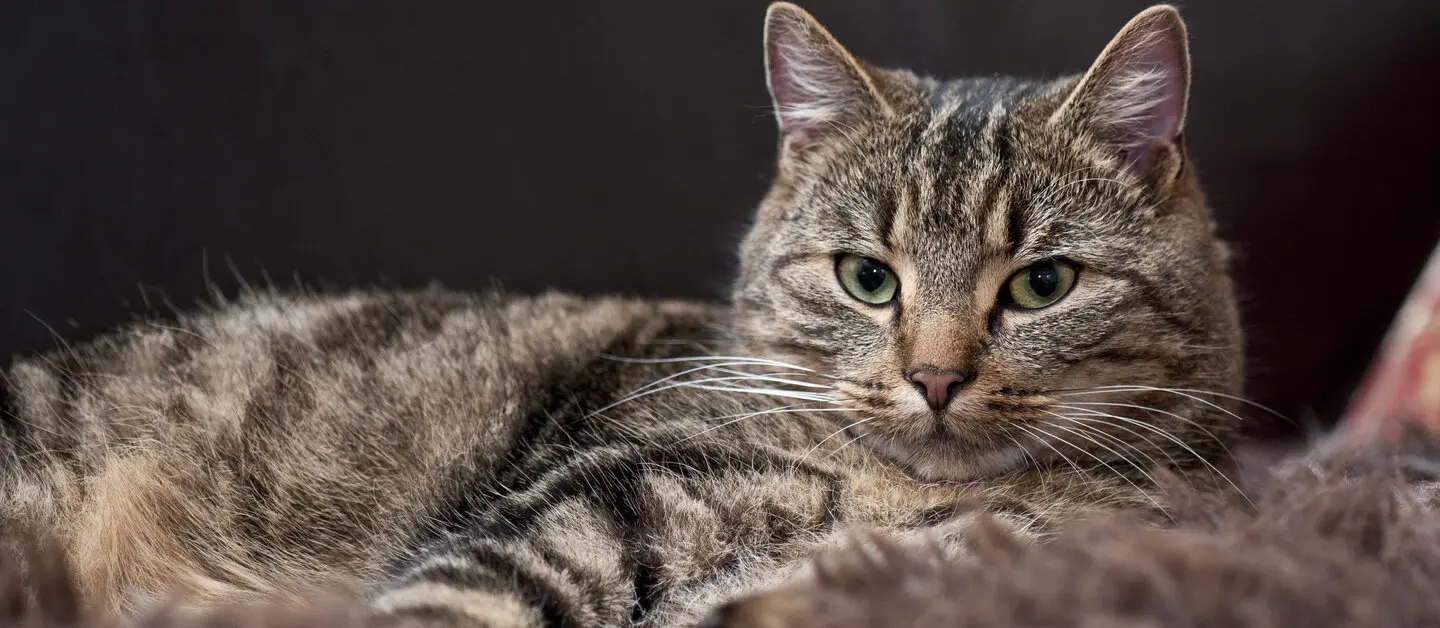
Obvious, right? Cats are covered in fur. That soft, glorious fur. They also have whiskers, which are specialized hairs that help them navigate their environment. Those whiskers? Super important sensory tools.
Kittens: Born, Not Hatched
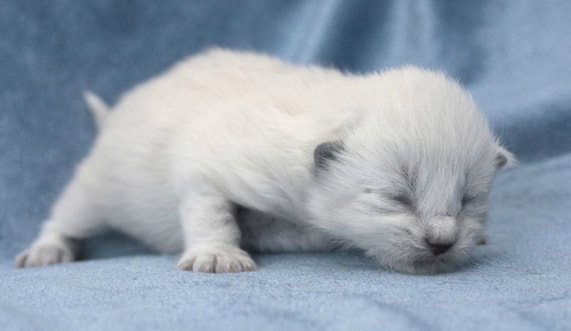
Cats give birth to live kittens. No eggs involved here! Gestation lasts around 63 days. Then: tiny, adorable, mewling kittens arrive. Nature is incredible.
Milk Machines: The Mammary Gland Advantage
Female cats have mammary glands. These glands produce milk to feed their kittens. That milk is packed with antibodies and nutrients. Essential for kitten health.
Ear-resistibly Mammalian
Yep, cats have those three middle ear bones too. Malleus, incus, and stapes. Vet speak for hammer, anvil, and stirrup. These bones are crucial for hearing. They amplify sound vibrations.
The Expert's Corner: Vet's Perspective
Here's the real deal. Knowing your cat is a mammal isn't just trivia. It informs how we care for them. Think about it: their warm-bloodedness makes them susceptible to temperature extremes. Their need for specific nutrients in kittenhood dictates their diet. Understanding their mammalian biology helps us, as vets, diagnose and treat diseases more effectively.
Pro-Tip: Always provide fresh water. Dehydration is common, especially with dry food diets. And keep your cat indoors during extreme weather! Their mammalian bodies can only handle so much.
Beyond the Basics: Cat Classification Deep Dive
Want to get even geekier? Cats belong to the following taxonomic groups:
- Kingdom: Animalia
- Phylum: Chordata
- Class: Mammalia
- Order: Carnivora
- Family: Felidae
- Genus: Felis
- Species: Felis catus (domestic cat)
Each level tells a story. From being an animal with a spinal cord (Chordata) to a meat-eater (Carnivora). It all builds to the domestic cat we know and love. Fascinating, right?
Common Misconceptions: Clearing the Air
Some people might confuse cats with reptiles because of their agility. Or their love of basking in the sun. But the key differences are non-negotiable. Reptiles are cold-blooded, lay eggs, and have scales. Cats? Warm-blooded, give birth to live young, and have fur.
Another misconception? That cats don't need as much water as dogs. Nope! They absolutely do. Encourage hydration. It's critical.
Why Does it Matter? Practical Implications
Why should you care that cats are mammals? Because it affects everything. Their nutritional needs, their susceptibility to diseases, their behavioral patterns. Knowing this helps you provide better care. Plain and simple.
For example, cats are obligate carnivores. They need meat to survive. Don't try to make your cat vegan! It's detrimental to their health. Also, certain medications are toxic to cats because of their unique mammalian physiology. Always consult a vet before giving any medication.