

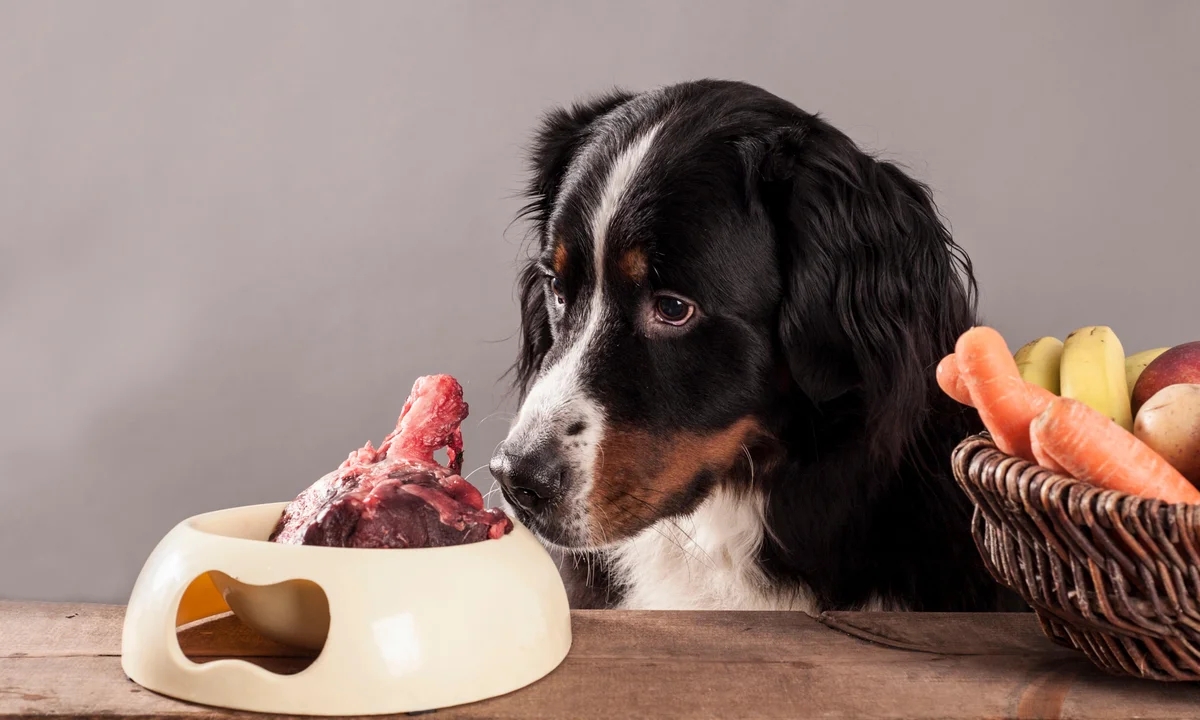
The Benefits of Raw Dog Food: A Natural Choice for Your Canine Companion
As a dog owner, you’re constantly on the lookout for ways to improve your pet’s health and happiness. With all the options available today, it’s easy to get overwhelmed by different feeding styles, trends, and advice. One choice that’s been gaining attention among pet enthusiasts is raw dog food. While it might sound unconventional to some, feeding your dog raw meals is actually a return to their natural roots.In this article, we’ll explore what raw dog food is, why more people are turning to it, and how it could benefit your dog.
What Is Raw Dog Food?
Raw dog food is exactly what it sounds like: a diet made up of uncooked, whole foods. This typically includes raw meat (muscle, organs, and bones), fresh fruits, vegetables, and sometimes eggs or dairy. The idea behind feeding your dog a raw diet is to mimic what their ancestors, like wolves, would have eaten in the wild.While commercial kibble and processed foods have become the norm, many believe that raw feeding provides more natural, unprocessed nutrition. A raw dog food diet, often referred to as BARF (Biologically Appropriate Raw Food), is designed to support a dog’s digestive system as nature intended.
The Benefits of Raw Feeding for Dogs
Switching your dog to a raw food diet can offer several potential health benefits. Let’s break down some of the key advantages:
1. Improved Coat and Skin Health
One of the first things dog owners often notice after switching to raw food is how much shinier and healthier their dog's coat becomes. Raw meat is rich in essential fatty acids like omega-3s, which help promote soft, glossy fur and keep your dog’s skin hydrated. Dogs on raw diets often experience fewer skin irritations or dry patches, too.
2. Better Digestion and Less Waste
Kibble, which is often high in carbohydrates and fillers, can be hard on a dog’s digestive system. Raw dog food, on the other hand, is packed with natural nutrients that are easier for dogs to break down and absorb. This often leads to smaller, firmer stools because more of the food’s nutrients are being utilized, leaving less waste. Many owners also report that their dogs have fewer tummy troubles and improved digestion after the switch.
3. Increased Energy Levels
Processed dog foods often contain preservatives, artificial additives, and unnecessary fillers, which can lead to sluggishness in some dogs. By feeding a raw diet full of high-quality protein, healthy fats, and essential vitamins, you’ll likely notice your dog’s energy levels improve. This is particularly beneficial for active or working dogs that need sustained energy throughout the day.
4. Enhanced Dental Health
Dogs in the wild would have naturally cleaned their teeth by gnawing on bones and chewing on raw meat. One of the key benefits of raw feeding is that it can help maintain your dog’s dental health by scraping away plaque and tartar buildup. This is a natural way to keep their teeth strong and gums healthy, potentially reducing the need for frequent dental cleanings.
5. Allergy Relief
If your dog suffers from food allergies or sensitivities, switching to raw food can sometimes help alleviate symptoms. Many commercial pet foods contain artificial ingredients, grains, and additives that trigger allergic reactions in sensitive dogs. Raw feeding allows you to control exactly what goes into your dog’s bowl, helping you avoid potential allergens.
Transitioning to a Raw Dog Food Diet
If you’re considering switching your dog to a raw diet, it’s important to do it gradually. Abrupt changes can upset your dog’s stomach, so slowly introduce raw meals by mixing them with their current food over a period of days or weeks.It’s also essential to ensure that your dog’s diet is balanced. While meat is a crucial component, dogs also need other nutrients from fruits, vegetables, and supplements. You may want to consult with a vet or pet nutritionist to create a plan that meets your dog’s specific needs.
Is Raw Dog Food Safe?
Safety is a common concern among pet owners considering raw feeding. The key to feeding raw food safely is handling it the same way you would with human-grade raw meat. This means practicing proper hygiene by washing your hands, keeping preparation areas clean, and storing the food at the correct temperature.When sourcing raw food, opt for high-quality, reputable brands or butchers that specialize in raw dog food. Some companies even offer pre-packaged raw meals that are already balanced for canine nutrition, which can be a convenient option.
Is Raw Feeding Right for Every Dog?
Raw feeding isn’t a one-size-fits-all solution. It’s important to consider your dog’s unique needs, breed, age, and health condition. While many dogs thrive on raw diets, some might have medical conditions that require a different approach. Always consult your veterinarian before making major changes to your dog’s diet.
Conclusion
Feeding your dog a raw food diet can be a great way to provide them with fresh, natural ingredients that promote overall health. From shinier coats to better digestion, the benefits of raw feeding are clear. However, every dog is different, so it’s essential to approach this change thoughtfully and with professional guidance. If done correctly, raw feeding can be a rewarding way to help your dog live a healthier, happier life.