

Hotspots on Dogs: Treatment and Prevention Guide
Hotspot on dogs, or acute moist dermatitis, are a common skin issue in dogs that can develop quickly and cause severe discomfort. These red, inflamed sores often occur due to excessive scratching, licking, or biting at the skin. If left untreated, they can grow larger and lead to infection. As a dog owner, knowing how to treat and prevent hotspots is essential to keeping your dog happy and healthy.
In this article, we'll explore how to effectively treat hotspots on dogs and offer practical tips to prevent them from recurring.
What Causes Hotspots on Dogs?
Hotspots can be triggered by several factors, including:
- Flea bites or insect stings: Dogs may scratch or bite at an area due to irritation from fleas or other insects, which can lead to a hotspot.
- Allergies: Food allergies or environmental allergens (like pollen, dust, or mold) can cause dogs to scratch and lick their skin excessively.
- Poor grooming: Dogs with matted fur or those that aren’t groomed regularly are more prone to skin irritations, which can result in hotspots.
- Moisture trapped in the coat: After swimming or bathing, moisture left on the dog’s skin can cause bacterial growth, leading to hotspots.
- Underlying skin conditions: Some dogs are naturally prone to skin issues, and hotspots can occur as a secondary symptom of underlying skin infections or conditions.
Understanding these triggers can help you manage and prevent hotspots from developing in the future.
Step-by-Step Guide to Treating Hotspots on Dogs
If you notice a hotspot on your dog, it’s essential to act quickly to prevent further damage. Here’s a step-by-step approach to treating hotspots at home:
1. Identify and Inspect the Hotspot
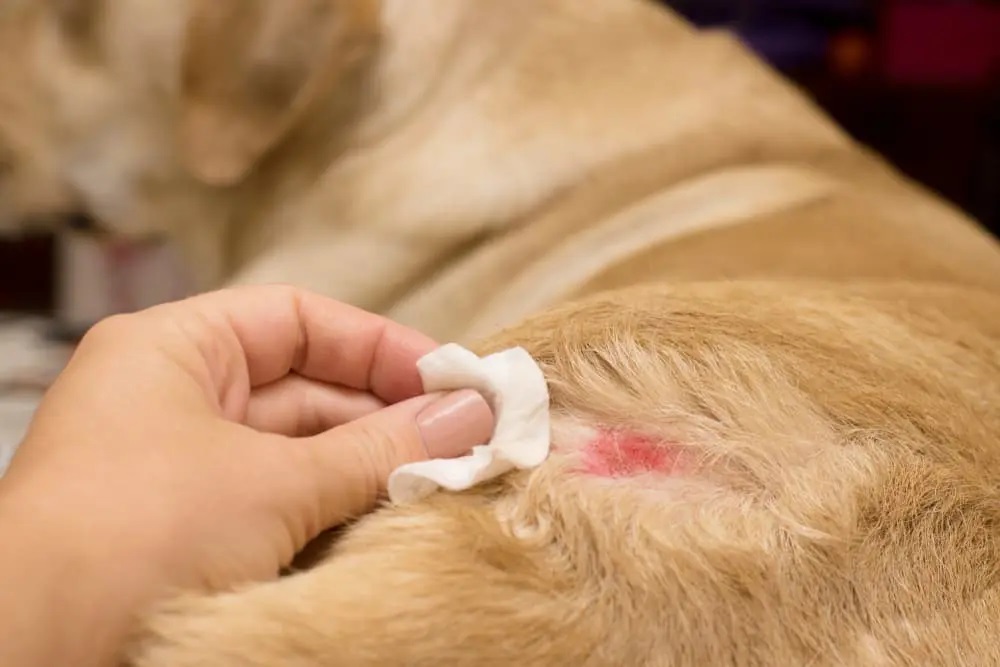
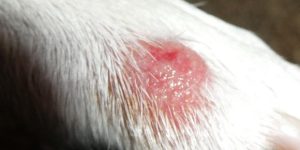
First, thoroughly inspect the affected area. Hotspots typically appear as red, inflamed patches on the skin, sometimes with oozing or crusting. They’re often warm to the touch, which is why they’re called "hotspots."
2. Trim the Hair Around the Hotspot
Using scissors or clippers, carefully trim the hair around the hotspot. This allows the area to breathe and makes it easier to clean. Be cautious not to irritate the skin further, especially if your dog is sensitive to touch.
3. Clean the Affected Area
Once the hair is trimmed, gently clean the hotspot with a mild antiseptic solution, such as:
- Diluted iodine or chlorhexidine solution: These are safe antiseptics that can help cleanse the area and prevent infection.
- Saline solution: You can also use saline to gently rinse the affected skin if no antiseptics are available.
Pat the area dry with a clean cloth or towel to ensure there is no lingering moisture.
4. Apply a Topical Treatment
After cleaning, apply a topical treatment designed to soothe the skin and promote healing. Some commonly used options include:
- Antibiotic ointments or creams: These help prevent bacterial infections and support the healing process.
- Hydrocortisone cream: A mild steroid cream can reduce itching and inflammation, preventing further irritation.
- Natural remedies: Products with ingredients like aloe vera or coconut oil can soothe the skin naturally.
It’s a good idea to consult your veterinarian before using any topical treatments to ensure they’re safe for your dog.

5. Prevent Your Dog from Licking or Scratching the Hotspot
One of the biggest challenges in treating hotspots is stopping your dog from licking or scratching the area. Using an Elizabethan collar (E-collar) or a protective cone can prevent your dog from reaching the hotspot, giving it time to heal.
6. Monitor the Healing Process
Over the next few days, closely monitor the hotspot to ensure it’s healing properly. The redness should gradually fade, and any oozing or inflammation should subside. If the hotspot worsens or shows signs of infection (such as a foul odor or increased swelling), it’s essential to seek veterinary attention for further treatment.
When to See a Veterinarian
While many hotspots can be treated at home, there are instances when professional help is necessary. Visit a vet if:
- The hotspot grows rapidly or spreads to other areas.
- There’s significant swelling, pain, or pus.
- Your dog shows signs of distress, such as fever or lethargy.
- The hotspot doesn’t improve after a few days of home treatment.
A veterinarian may prescribe oral antibiotics, stronger anti-inflammatory medications, or other treatments depending on the severity of the hotspot.
Preventing Hotspots on Dogs
Prevention is the best way to manage hotspots and keep your dog’s skin healthy. Here are some tips to reduce the risk of hotspots:
1. Regular Grooming
Frequent brushing and grooming can help keep your dog’s coat clean, free of tangles, and less prone to skin irritations. Dogs with thick or long coats are especially at risk of developing hotspots, so maintaining a regular grooming schedule is key.
2. Flea and Tick Control
Since flea bites are a common cause of hotspots, make sure your dog is on a reliable flea and tick prevention plan. Whether it’s a topical treatment, flea collar, or oral medication, preventing these parasites from irritating your dog’s skin will reduce the likelihood of hotspots.
3. Manage Allergies
If your dog has known allergies, work with your vet to manage them effectively. Allergies can lead to excessive licking, chewing, or scratching, all of which can trigger hotspots. Controlling food allergies, environmental allergens, and skin sensitivities can significantly reduce your dog’s risk.
4. Keep Your Dog’s Skin Dry
Hotspots thrive in moist environments, so make sure your dog is thoroughly dried after baths, swims, or walks in the rain. Trapped moisture, especially in dogs with thick fur, can create the ideal environment for bacterial growth.
5. Provide a Balanced Diet
A healthy diet rich in omega-3 fatty acids and essential nutrients can promote a healthy coat and skin. Fish oil supplements or dog foods designed to improve skin health can be beneficial for dogs prone to skin issues, including hotspots.
Conclusion
Hotspots on dogs can be uncomfortable and distressing, but with prompt treatment and a proactive approach, they can be managed effectively. By identifying hotspots early, keeping the area clean, and using the right treatments, you can help your dog heal quickly and prevent future outbreaks. Remember to stay vigilant about grooming, flea control, and allergy management to minimize the risk of hotspots in the long term.
If hotspots persist or worsen, don’t hesitate to consult your veterinarian for professional advice and treatment options. Keeping your dog’s skin healthy is crucial to their overall well-being, and with the right care, you can ensure your dog stays happy, comfortable, and hotspot-free.