

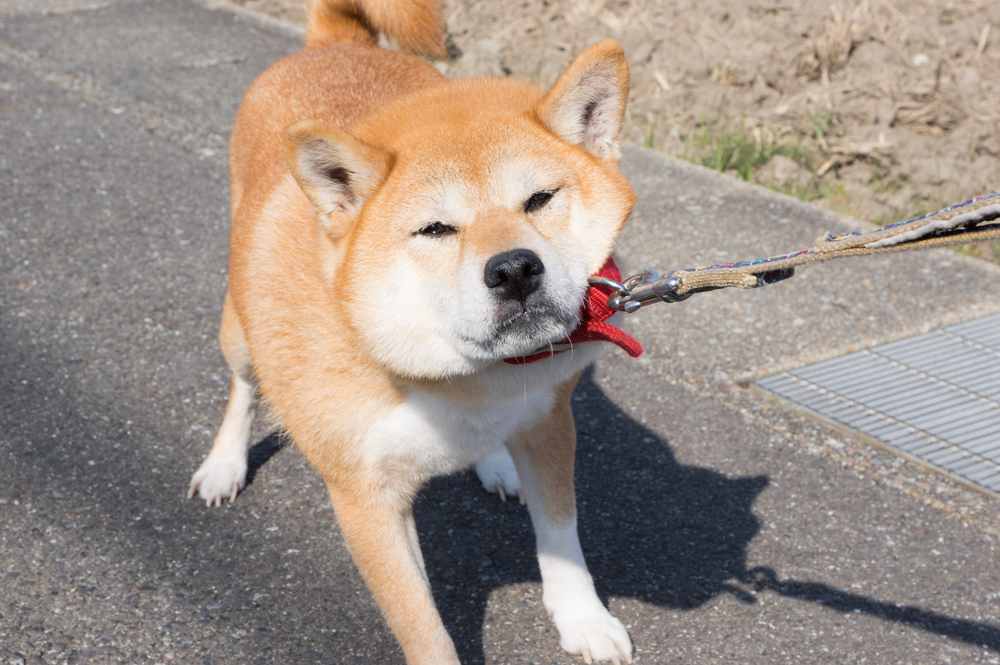
Why Your Dog Suddenly Hates Walks: 7 Clinical Reasons & Solutions
Here's a counter-intuitive fact from the exam room: A sudden aversion to walks can be a *major* red flag for underlying pain, even if your dog isn't visibly limping. Dogs are masters of masking discomfort, so that walk refusal might be their subtle SOS.
For Busy Owners: If your dog suddenly hates walks, pain is the first thing to rule out. Anxiety, negative associations, or uncomfortable gear could also be the culprit. With patience and the right approach, you can often turn reluctant strolls into enjoyable outings.
Why is my dog suddenly refusing to walk? The Clinical Perspective
A sudden refusal to walk often signals underlying pain or discomfort. This could stem from osteoarthritis, hip dysplasia, intervertebral disc disease, or even something as simple as overgrown toenails. The biological 'why' boils down to pain receptors firing, triggering a protective mechanism to avoid further injury. The dog associates walking with increased pain, leading to avoidance behavior. Honestly, in the exam room, I always tell my clients, let's start with a thorough physical exam and *then* consider behavior.
Could Pain Be the Reason My Dog Hates Walks? Recognizing Subtle Signs of Discomfort
If your dog suddenly hates walks, a vet visit is non-negotiable to rule out underlying medical issues. Pain from conditions like osteoarthritis, hip dysplasia, or even a simple paw injury can make walking unbearable. Overgrown toenails can also shift a dog's gait and cause discomfort. The solution? A vet exam to diagnose and manage any pain. We're talking potential pain meds, joint supplements (glucosamine, chondroitin), or even physical therapy.
The Clinical Perspective: Osteoarthritis, for example, involves the breakdown of cartilage within joints. This leads to bone-on-bone friction, inflammation, and pain. The inflammatory mediators released (cytokines, prostaglandins) further sensitize nerve endings, amplifying the pain signal. This is why early diagnosis and intervention are mission-critical to slow down cartilage degeneration and manage pain effectively.
Home-Care Hacks: Invest in orthopedic bedding to cushion joints during rest. Gentle massage can also improve circulation and reduce muscle tension. Keep your dog's weight in a healthy range to minimize stress on joints. You can also try warming up your dogs muscles before walks with a warm compress.
Red Flag Checklist: Obvious limping, stiffness, reluctance to jump or climb stairs, panting, or a change in appetite. If you spot these, don't wait – schedule a vet appointment *now*.
Is My Dog's Walking Anxiety Actually a Fear Response? Understanding Anxious Canines
Anxiety or fear can definitely make your dog hate walks. Loud noises, aggressive dogs, or even unfamiliar people can trigger a fear response. This leads to a surge of cortisol and adrenaline, creating a negative association with walks. Desensitization and counter-conditioning are key to helping your dog overcome these fears.
The Clinical Perspective: When a dog experiences fear, the amygdala (the brain's emotional center) kicks into high gear. This triggers the release of stress hormones, preparing the body for "fight or flight." Repeated exposure to these triggers can lead to chronic anxiety, altering brain chemistry and making the dog hyper-vigilant. It's like their nervous system is constantly on high alert.
Home-Care Hacks: Create a safe space at home where your dog can retreat when feeling anxious. Use calming aids like pheromone diffusers or calming chews. During walks, carry high-value treats to distract your dog from potential triggers.
Red Flag Checklist: Excessive panting, trembling, tucked tail, flattened ears, lip licking, or whale eye (showing the whites of their eyes). If your dog displays these signs, remove them from the stressful situation immediately.
Why does my dog hate walks in certain areas? Negative Associations and How to Counteract Them
Negative associations with specific locations or situations can make your dog hate walks in those areas. This could be due to a past encounter with an aggressive dog, a frightening experience with traffic, or even just unpleasant weather. Counter-conditioning is essential to changing these negative associations.
The Clinical Perspective: The hippocampus, responsible for memory formation, plays a crucial role here. If a dog experiences something traumatic in a specific location, the hippocampus creates a strong negative association. This association can be reactivated every time the dog returns to that location, triggering a fear response. That's why avoiding the triggers, at first, is so important.
Home-Care Hacks: Identify the specific triggers causing the negative associations. Avoid those areas initially. Gradually reintroduce your dog to those areas, pairing them with positive experiences like treats and play. Keep walks short and positive, ending on a good note.
Red Flag Checklist: Refusal to move forward, pulling back on the leash, barking or lunging at specific objects or people, or displaying other signs of anxiety mentioned earlier.
Is Uncomfortable Gear Causing My Dog's Walking Aversion? The Importance of Proper Fit
Ill-fitting or uncomfortable gear can definitely make your dog hate walks. A harness that rubs, a collar that's too tight, or a leash that constantly pulls can cause discomfort and irritation. Investing in high-quality, properly fitted gear is essential for a positive walking experience.
The Clinical Perspective: Constant rubbing from a poorly fitted harness can cause skin irritation and even pressure sores. A tight collar can restrict breathing and put pressure on the trachea. These physical discomforts can lead to a negative association with walks, making the dog resistant to wearing the gear.
Home-Care Hacks: Get your dog professionally fitted for a harness or collar. Choose materials that are soft, breathable, and non-irritating. Introduce new gear gradually, allowing your dog to get used to wearing it around the house before going on walks. Reward them with treats and praise when they wear the gear comfortably.
Red Flag Checklist: Visible rubbing or irritation under the harness or collar, excessive scratching or licking at the gear, or a reluctance to put on the gear in the first place.
Overstimulation Overload: Could Sensory Input Be Why My Dog Refuses to Walk?
Overstimulation from excessive sights, sounds, and smells can overwhelm some dogs, making them hate walks. This is especially true for puppies or dogs from rural environments who are suddenly exposed to the hustle and bustle of a city. Choosing quieter routes and gradually desensitizing your dog to these stimuli can help.
The Clinical Perspective: The amygdala can become overstimulated, leading to a heightened state of arousal and anxiety. This can manifest as barking, lunging, or a complete shutdown. Dogs with sensory processing issues are particularly vulnerable to overstimulation. If you've got a herding breed, this is something to really keep in mind.
Home-Care Hacks: Start with short walks in quiet areas. Gradually introduce your dog to busier environments, rewarding them for calm behavior. Use calming aids like pheromone sprays or calming chews. Provide plenty of opportunities for rest and relaxation at home.
Red Flag Checklist: Barking, lunging, pulling on the leash, hiding behind you, or displaying other signs of anxiety mentioned earlier.
Is Lack of Socialization the Reason My Dog Hates Meeting New People and Dogs on Walks?
Inadequate socialization during puppyhood can lead to fear and anxiety when encountering new people or dogs on walks. Early socialization is crucial for developing a well-adjusted and confident dog. Exposing your puppy to a variety of sights, sounds, people, and dogs in a positive and controlled manner is essential.
The Clinical Perspective: Puppies have a critical socialization period between 3 and 16 weeks of age. During this time, their brains are highly receptive to new experiences. Lack of exposure during this period can lead to fear and aggression later in life. It's like their brains haven't learned to distinguish between safe and threatening stimuli.
Home-Care Hacks: Enroll your dog in puppy classes or work with a certified professional trainer. Gradually expose your dog to different people and dogs in a controlled and positive manner. Reward them for calm and appropriate behavior. Avoid overwhelming them with too much too soon.
Red Flag Checklist: Barking, lunging, growling, snapping, or displaying other signs of aggression or fear.
Could Boredom Be the Unexpected Reason My Dog Hates Walks? Adding Enrichment to Your Routine
While less common, boredom can sometimes be the reason a dog hates walks. If your walks are always the same route, at the same time, with nothing new to explore, your dog may simply be unmotivated. Adding enrichment and variety to your walks can make them more engaging and enjoyable.
The Clinical Perspective: Dogs are intelligent creatures who need mental stimulation. Lack of stimulation can lead to boredom, frustration, and even destructive behaviors. Varying the route, introducing new smells and sights, and incorporating interactive games can keep your dog's mind engaged.
Home-Care Hacks: Vary your walking route. Let your dog sniff and explore new scents. Bring interactive toys like a ball or frisbee. Play games like hide-and-seek or fetch. Practice obedience commands during walks.
Red Flag Checklist: Lack of enthusiasm, lagging behind, sniffing excessively without moving forward, or displaying other signs of disinterest.
How to Get You and Your Dog Moving Again: Home-Care Hacks for Successful Walks
Exercise is a powerful stress reliever. A 2015 Finnish study showed that dogs with shorter walks were more fearful. So, start slow but keep steady, reward your pup, make it fun, listen to your dog, and always be patient.
Conclusion: Turning Dreaded Walks Into Tail-Wagging Adventures
Understanding why your dog hates walks is the first step to turning those dreaded strolls into tail-wagging adventures. Rule out medical issues, address anxiety or fear, invest in comfortable gear, and add enrichment to your walks. With patience and consistency, you can help your dog rediscover the joy of walking.