

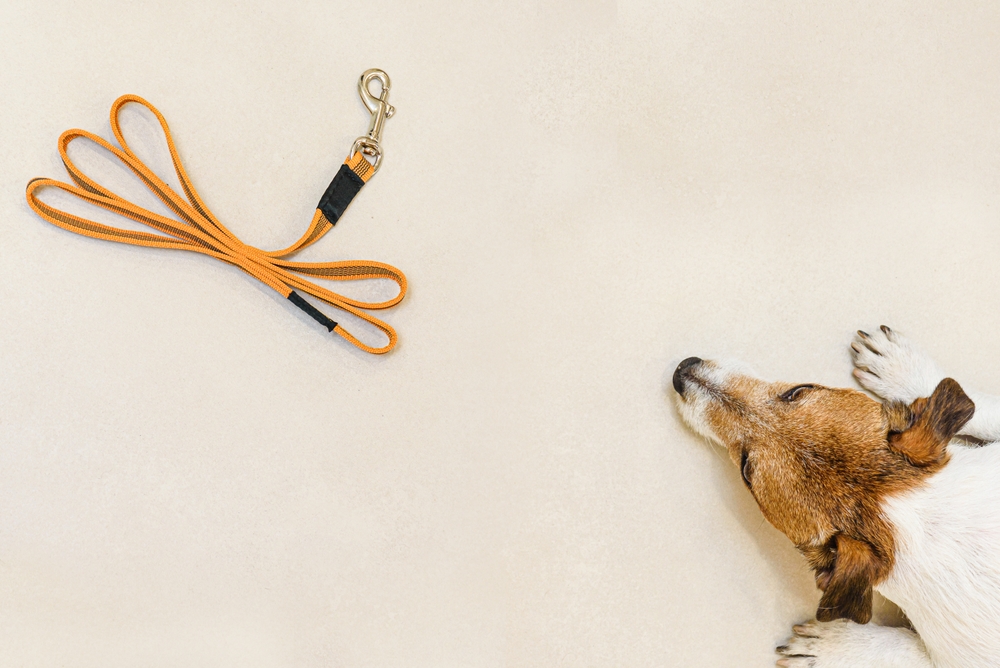
Why Is My Dog Scared of the Leash? Expert Vet Tips & Training
Here's a counter-intuitive fact from the exam room: many dogs aren't born hating leashes; they learn to fear them. It's often a learned response tied to negative experiences, not some inherent canine aversion to being tethered. The good news? What's learned can be unlearned.
For Busy Owners: A dog's fear of the leash often stems from negative experiences or lack of exposure. Gradual desensitization using treats and positive reinforcement is key. If fear is intense, a vet visit is crucial to rule out underlying medical issues contributing to your dog's anxiety.
Why is My Dog Suddenly Scared of the Leash? Understanding the Root Cause
If your dog suddenly acts like a furry torpedo trying to escape the leash, you're probably scratching your head. Leash aversion can stem from negative experiences, lack of early exposure, or even underlying medical issues. Addressing the root cause is mission-critical for effective training.
Think about it: has your dog had a traumatic experience while leashed? Maybe a sudden loud noise, an encounter with an aggressive dog, or even a painful collar correction. These events can create a lasting negative association. On a biological level, the amygdala (the brain's fear center) becomes hyper-sensitized. Each time the leash appears, it triggers a cascade of stress hormones like cortisol, leading to anxiety and avoidance. If your dog wasn't properly socialized to a leash as a puppy (a critical period that closes around 16 weeks), the unfamiliar sensation can be scary. It’s like forcing a toddler to wear shoes for the first time; resistance is expected.
The Clinical Perspective: I tell my clients to think like a detective. Was the leash introduced too abruptly? Did you use aversive training methods like leash corrections? Even seemingly innocuous events, like a tight collar causing discomfort around the trachea, can contribute to leash fear. Also, consider the possibility of underlying pain. Arthritis, hip dysplasia, or even a simple paw injury can make walking uncomfortable, and the leash becomes associated with that discomfort.
How to Identify Dog Leash Fear: Spotting the Signs of Distress
Recognizing leash fear early is important. It's not always as obvious as a full-blown panic attack. Subtle signs can indicate your dog is uncomfortable and anxious when they see the leash or have it attached.
Here's the deal: Dogs communicate primarily through body language. Look for these telltale signs: cowering, tail tucking, lip licking (a displacement behavior indicating stress), yawning (when not tired), whale eye (showing the whites of their eyes), ears pinned back, trembling, or even attempts to flee or hide. Some dogs may exhibit defensive aggression, like growling or snapping, if they feel cornered. These behaviors signal a surge of adrenaline and noradrenaline, preparing the body for "fight or flight." Chronically stressed dogs may also have elevated levels of cortisol, which can suppress the immune system and make them more susceptible to illness.
The Red Flag Checklist: If your dog exhibits any of these behaviors, especially if they are sudden or severe, consult with your veterinarian or a certified veterinary behaviorist. Self-treating anxiety can backfire. A professional can help rule out medical causes and create a tailored behavior modification plan. Don't confuse normal puppy resistance with true fear. Puppies often resist the leash initially, but with gentle encouragement and positive reinforcement, they usually adapt quickly.
Leash Desensitization Training: A Step-by-Step Guide to Calm Walks
Desensitization is a fancy word for gradually exposing your dog to the leash in a positive way until they no longer react with fear. It's a slow and steady process that requires patience and consistency.
Start by simply leaving the leash lying around in a place where your dog spends time. Don't force interaction. Let them investigate it on their own. When they approach the leash, reward them with a high-value treat (something they don't usually get). The goal is to create a positive association: leash = good things. Once your dog is comfortable being around the leash, start picking it up and attaching it to their collar for brief periods, immediately followed by a treat. Gradually increase the duration, always pairing the leash with positive reinforcement. The biological mechanism here is called classical conditioning: you're associating a neutral stimulus (the leash) with a positive one (the treat), eventually changing your dog's emotional response.
Home-Care Hacks: Use a lightweight leash made of soft material. A heavy chain leash can be intimidating. Also, consider using a harness instead of a collar, especially if your dog is prone to pulling. Harnesses distribute pressure more evenly, reducing the risk of discomfort or injury to the trachea.
What if Treats Don't Work? Overcoming Leash Training Obstacles
Some dogs are so fearful that treats alone aren't enough. This is where you need to get creative and consider other strategies.
If your dog is too anxious to take treats, try using a "counter-conditioning" technique. This involves pairing the leash with something your dog loves even more than food, such as a favorite toy or a gentle massage. Start at a distance where your dog is comfortable and gradually decrease the distance as they become more relaxed. If your dog has a history of trauma, they may benefit from medication to reduce their anxiety levels. Selective Serotonin Reuptake Inhibitors (SSRIs) can help regulate serotonin levels in the brain, reducing overall anxiety and making them more receptive to training. Always consult with your veterinarian before starting any medication.
The Clinical Perspective: I’ve seen dogs so stressed that their cortisol levels remain high for days, blocking any new learning. Medications are not a quick fix but can lower the "emotional ceiling" for training.
How to Choose the Right Leash and Collar (or Harness) for Anxious Dogs
The equipment you use can make a significant difference in your dog's comfort level. The wrong leash or collar can exacerbate their fear.
Opt for a lightweight, comfortable leash made of nylon or biothane. Avoid heavy chain leashes or retractable leashes, which can be unwieldy and create a sense of tension. A six-foot leash is a good all-purpose length. For collars, choose a flat, comfortable collar that fits properly. Avoid prong collars or choke chains, which can cause pain and injury. Harnesses are a good alternative, especially for dogs who pull or have a history of neck injuries. Look for a harness that fits snugly but doesn't restrict movement. The ideal harness should distribute pressure evenly across the chest and shoulders, minimizing the risk of discomfort.
Long-Term Management of Leash Fear: Creating a Positive Walking Routine
Once your dog is comfortable with the leash, it's mission-critical to maintain a positive walking routine. This involves creating positive associations with walks and avoiding situations that trigger their fear.
Choose walking routes that are quiet and predictable. Avoid areas with loud noises, aggressive dogs, or other stressors. Keep walks short and positive, ending them on a high note. Reward your dog frequently with treats and praise. If your dog encounters a trigger, such as another dog, don't force them to interact. Instead, calmly redirect their attention and reward them for staying calm. Remember, consistency is key. A positive walking routine will help your dog build confidence and enjoy their time on the leash.
Home-Care Hacks: Use a pheromone diffuser or collar containing dog-appeasing pheromones (DAP). These pheromones mimic the natural pheromones produced by mother dogs and can have a calming effect on anxious dogs.
When to See a Vet: Recognizing Severe Anxiety and Phobias
While most leash fear can be managed with training and patience, some cases require professional help.
If your dog's fear is severe, persistent, or interfering with their quality of life, consult with your veterinarian or a certified veterinary behaviorist. Signs of severe anxiety include panic attacks, aggression, self-harm, or refusal to eat or drink. A vet can rule out underlying medical conditions that may be contributing to your dog's anxiety. They can also prescribe medication to help manage their symptoms and make them more receptive to training. A veterinary behaviorist can provide specialized training and behavior modification techniques to address the underlying causes of your dog's fear.
The Red Flag Checklist: If your dog exhibits any of these signs, don't hesitate to seek professional help. Ignoring severe anxiety can lead to chronic stress, health problems, and a decreased quality of life for both you and your dog.