

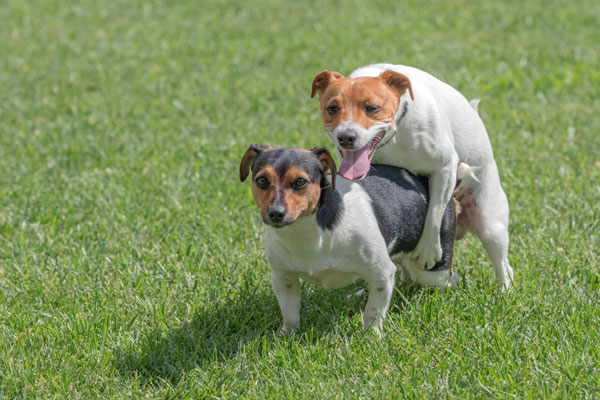
Why Do Dogs Hump? Decoding the Annoying Behavior
Here's a weird fact from the exam room: humping isn't always about sex. I've had owners mortified, assuming their dog is just overly amorous. But honestly, it's often a sign of something else entirely. It could be excitement, anxiety, or even a medical issue.
For Busy Owners: Dog humping is a common behavior with multiple causes, including excitement, attention-seeking, and anxiety. While often misinterpreted as sexual, it can also be a sign of underlying health issues. Understanding the reasons behind humping is crucial for managing the behavior effectively.
Why is My Dog Humping Everything? Understanding the Reasons
Humping in dogs isn't always about sexual arousal. It's a multifaceted behavior with various triggers. It can be a sign of excitement, a way to seek attention, or even a manifestation of anxiety. Understanding the root cause is mission-critical for addressing the behavior effectively. Think of it as decoding a furry, four-legged message.
The Clinical Perspective: From a biological standpoint, humping can be linked to hormonal fluctuations, particularly testosterone levels in males. However, non-sexual humping is often related to neurological pathways associated with arousal and stress responses. Anxious humping, for instance, may involve the release of cortisol, the stress hormone, triggering displacement behaviors.
1. Excitement: Is My Dog Humping Out of Joy?
Sometimes, humping is simply an expression of overwhelming excitement or pent-up energy. Think of it as a doggy version of jumping up and down. Some dogs will hump when greeting other dogs or during playtime. It's their way of releasing that excess energy.
The Clinical Perspective: When a dog gets excited, their sympathetic nervous system kicks in, releasing adrenaline and noradrenaline. This surge of neurotransmitters can trigger a variety of behaviors, including humping, as the dog seeks to expend this sudden burst of energy. It’s like a physiological overflow valve.
2. Attention-Seeking: Could Humping Be a Cry for Attention?
Humping can be a calculated move for attention. Some dogs quickly learn that humping elicits a reaction from their owners, even if it's negative. It's a way of saying, "Hey, look at me!" They might hump you, another dog, or even a favorite toy.
The Clinical Perspective: Attention-seeking behaviors are often rooted in the dog's need for social interaction and stimulation. Dogs are social animals, and they thrive on attention from their human companions. When they feel neglected or bored, they may resort to behaviors like humping to get a response. The behavior is reinforced through operant conditioning.
3. Play Behavior: Is Humping Normal During Play?
Humping can be a normal part of play, especially among puppies and young dogs. It's often incorporated into their repertoire of playful interactions. However, it's important to monitor these interactions, as not all dogs appreciate being mounted. You don't want a play session to turn into a fight.
The Clinical Perspective: Play is crucial for a dog's physical, mental, and social development. During play, dogs engage in a variety of behaviors that mimic real-life scenarios, such as hunting, fighting, and mating. Humping in this context can be a way for dogs to practice social skills and establish dominance hierarchies. It's a training ground for navigating social complexities.
4. Anxiety: Can Stress Cause Humping?
Humping can be a displacement behavior, a way for dogs to cope with anxiety or stress. In stressful situations, dogs may hump other dogs, people, or even inanimate objects. It's a way of releasing nervous energy and redirecting their focus.
The Clinical Perspective: When dogs experience anxiety, their bodies release stress hormones like cortisol. These hormones can trigger a variety of behavioral changes, including displacement behaviors like humping, licking, or pacing. These behaviors serve as a coping mechanism, helping the dog to alleviate stress and regain a sense of control. It's the canine equivalent of fidgeting.
5. Hormones: Is It Always About Sex?
Humping can be sexually motivated, especially in intact males. It's more common when there's a female dog in heat nearby. Neutering can often reduce sex-related humping, but it may not eliminate it entirely. Some dogs continue to hump even after being neutered.
The Clinical Perspective: Testosterone plays a major role in sexual behavior in male dogs. Neutering reduces testosterone levels, which can decrease the frequency of sex-related humping. However, some dogs may have learned to associate humping with pleasure or attention, and they may continue the behavior even after neutering. It becomes a learned behavior, independent of hormonal influence.
6. Possible Underlying Health Issues: Could It Be Medical?
In rare cases, humping can be a sign of an underlying medical condition. Skin irritation, urinary tract infections, or prostate problems can cause discomfort that leads to humping or similar behaviors. If your dog is excessively licking their genital area or showing other signs of discomfort, it's mission-critical to consult your veterinarian.
The Clinical Perspective: Pruritus (itching) from skin allergies or infections can cause a dog to rub against objects, mimicking humping. Similarly, urinary or prostate issues can cause discomfort and lead to excessive licking, which can be misinterpreted as sexual arousal. These cases highlight the importance of a thorough veterinary examination to rule out underlying medical causes.
Do Some Dogs Hump More Than Others? Breed Predispositions?
Humping behavior isn't limited to one age, sex, or breed. However, certain factors can make some dogs more prone to humping than others. Small dogs, for example, may be more likely to hump due to higher levels of social stress or anxiety. And, honestly, sometimes we humans tolerate it more in small dogs!
The Clinical Perspective: Breed predispositions to anxiety or behavioral issues can indirectly influence humping behavior. For example, breeds prone to separation anxiety may be more likely to exhibit displacement behaviors like humping when left alone. Similarly, breeds with higher energy levels may be more prone to humping as a way to release pent-up energy. The breed is just one piece of the puzzle.
Should I Let My Dog Hump Other Dogs? Social Considerations
While humping is often a normal behavior, it's not always appropriate. It can be embarrassing in public, and some dogs don't tolerate it well. Your dog could risk getting bitten if they try to hump the wrong dog. It's crucial to consider the social context and the other dog's temperament.
Home-Care Hacks: If your dog starts humping, immediately redirect their attention with a toy or a command. Teach them alternative behaviors, like sit or stay, to help them manage their excitement and anxiety. Supervise interactions with other dogs and intervene if humping starts. Consistency is non-negotiable.
How Can I Stop My Dog From Humping? Training & Management
Managing humping behavior requires a multi-pronged approach. Neutering can help reduce sex-related humping. Training and socialization can help your dog learn appropriate social interactions. And environmental management can help minimize triggers for anxiety or excitement.
The Red Flag Checklist: If your dog's humping is excessive, compulsive, or accompanied by other signs of distress, it's mission-critical to consult your veterinarian or a certified veterinary behaviorist. These behaviors could indicate underlying medical or behavioral issues that require professional intervention.
Conclusion: Is Dog Humping Normal?
Humping is a common behavior in dogs, but that doesn't mean it's always acceptable. By understanding the reasons behind humping and implementing appropriate management strategies, you can help your dog overcome this behavior and ensure positive social interactions.