

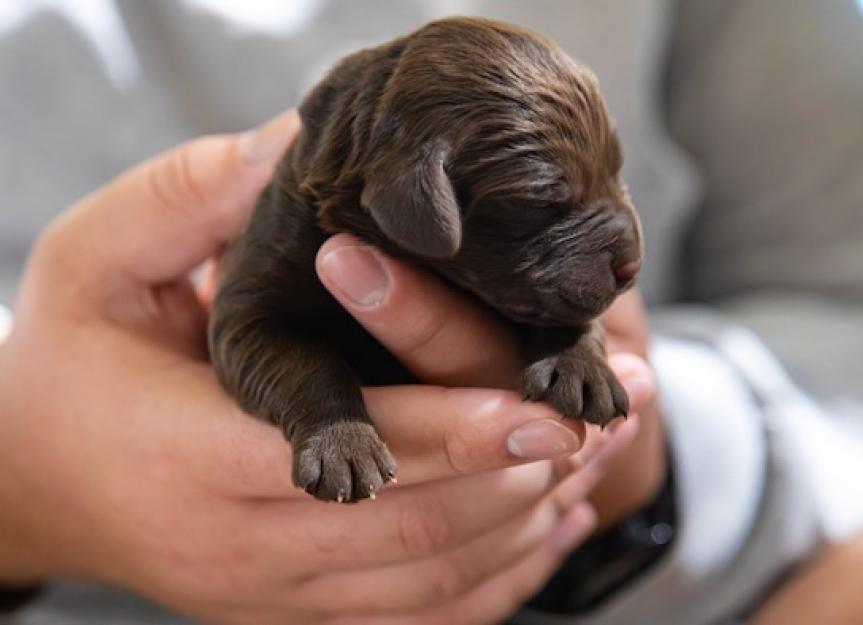
The Exhausted Vet's Guide to Raising Healthy Newborn Puppies (0-8 Weeks)
Here's a fact that might sting: that adorable puppy smell? It's often a sign of bacterial imbalances, especially in those first few weeks. Don't reach for the scented shampoos just yet; it's a signal to check their gut health. Trust me, I've seen it a thousand times in the exam room.
Busy Owner Summary: Newborn puppies need constant warmth and feeding every 2-3 hours. Socialization starts early but should be gentle, respecting the mother's space. Consult your vet immediately for deworming and vaccination schedules, usually starting around 2 weeks.
Why is My Newborn Puppy Not Gaining Weight? The Clinical Perspective
A puppy not gaining weight is a mission-critical sign that something is wrong, and you need to act fast. Weight gain indicates proper nutrient absorption and overall health. Failure to thrive can be due to congenital issues, infections, or simply inadequate milk intake. Remember, early intervention is non-negotiable.
Here's the deal: When a puppy isn't gaining weight, it often boils down to one of a few key biological issues. First, consider the gut microbiome. In newborns, the gut flora is still developing. An imbalance (dysbiosis) can impair nutrient absorption. We're talking about a cascade effect here: fewer nutrients, less energy, and a suppressed immune system. Second, think about congenital defects. Cleft palates, for example, can make nursing impossible, leading to starvation, no matter how much they try. Third, and this is vet-speak, inadequate milk production by the mother (agalactia) or mastitis (inflammation of the mammary glands) directly limits the puppy's access to essential calories and antibodies found in colostrum.
Home-Care Hacks for Weight Gain Problems
- Weigh Daily: Use a kitchen scale and track weights in a notebook. Consistent data is your best friend.
- Supplement Strategically: If the mother's milk is insufficient, talk to your vet about puppy milk replacer. A small syringe can be a lifesaver.
- Probiotic Boost: Consider a vet-approved probiotic supplement to support gut health.
Red Flag Checklist: When to Panic
- No Weight Gain in 24 Hours: This is an emergency, period.
- Lethargy: A weak, unresponsive puppy needs immediate veterinary attention.
- Distended Abdomen: Could indicate fluid buildup or intestinal blockage.
How to Keep Newborn Puppies Warm? Avoiding Hypothermia
Newborn puppies can't regulate their own body temperature for the first few weeks, meaning they are extremely vulnerable to hypothermia. A cold puppy cannot digest milk properly, leading to further complications. Maintaining a consistent, warm environment is paramount for their survival.
Here’s the biological reality: Puppies lack the subcutaneous fat and muscle mass needed for thermogenesis (heat production). Their metabolic rate is also immature. When exposed to cold, their body temperature plummets rapidly. This hypothermia slows down all enzymatic processes, including digestion. A chilled puppy cannot effectively break down lactose in milk, leading to undigested lactose fermenting in the gut. This can cause diarrhea, dehydration, and a vicious cycle of further cooling. In severe cases, hypothermia leads to bradycardia (slow heart rate), respiratory depression, and death. I cannot stress enough how quickly this becomes a crisis.
Home-Care Hacks for Warmth
- Heating Pad Placement: Provide a heating pad set on LOW, but only covering HALF of the whelping box. This allows puppies to move away if they get too warm.
- Monitor Temperature: Use a rectal thermometer to check puppy temperatures. Aim for 96-98°F in the first week.
- Snuggle Time: If a puppy is chilled, gently warm it against your body. Your body heat can be a lifesaver.
Red Flag Checklist: Signs of Hypothermia
- Shivering (if old enough): Muscle tremors indicate the body is trying to generate heat.
- Cold to the Touch: Especially the ears, paws, and tail.
- Lethargy/Unresponsiveness: A chilled puppy will be weak and may not nurse.
Why is Socialization Important for Newborn Puppies?
Early socialization is vital for puppies to develop into well-adjusted adults. However, with newborns, this doesn't mean puppy playdates. It means gentle exposure to sights, sounds, and smells within the safety of their whelping box and with their mother present. This lays the foundation for future social interactions.
Biologically, early socialization impacts brain development. During the critical period (roughly 3-16 weeks), a puppy's brain is highly plastic, meaning it's extremely sensitive to environmental input. Exposure to a variety of stimuli during this time promotes the growth of neural connections in areas related to social behavior, fear responses, and stress regulation. Lack of appropriate socialization can lead to fearfulness, anxiety, and aggression later in life. Think of it as priming the brain to handle the complexities of the world. But be warned: overstimulation can be just as damaging, leading to chronic stress and a hyperactive amygdala (the brain's fear center).
Home-Care Hacks for Socialization
- Gentle Handling: Short periods of gentle stroking and handling, if the mother allows it.
- Introduce Sounds: Play recordings of household sounds (vacuum cleaner, doorbell) at a low volume.
- Scent Introduction: Expose them to different scents (e.g., a clean towel rubbed on a friendly dog).
Red Flag Checklist: Socialization Concerns
- Excessive Fear: Puppy consistently hides or trembles at new stimuli.
- Aggression Towards Littermates: Constant biting or bullying.
- Mother's Rejection: Mother is consistently avoiding or snapping at the puppies.
How Often Should Newborn Puppies Nurse? Recognizing Feeding Problems
Newborn puppies should nurse every 2-3 hours during the first week. Frequent nursing ensures they receive adequate nutrition and crucial antibodies from the mother's colostrum. A puppy that isn't nursing frequently enough is at risk of dehydration, hypoglycemia, and failure to thrive.
The biology here is straightforward: Colostrum, the first milk produced by the mother, is packed with immunoglobulins (antibodies) that provide passive immunity to the puppies. These antibodies protect them from infections until their own immune system matures. Frequent nursing stimulates milk production in the mother through hormonal feedback loops (primarily prolactin). Furthermore, newborn puppies have limited glycogen stores (energy reserves). Hypoglycemia (low blood sugar) can occur rapidly if they don't receive a constant supply of glucose from milk. This is especially true in toy breeds, where glycogen stores are even smaller.
Home-Care Hacks for Feeding
- Observe Nursing: Watch to ensure each puppy is latching on and actively suckling.
- Rotate Puppies: Make sure weaker puppies get access to the teats with the most milk.
- Supplement if Needed: If a puppy isn't nursing well, supplement with puppy milk replacer using a bottle or syringe (consult your vet first).
Red Flag Checklist: Feeding Issues
- Weak Suckling Reflex: Puppy is unable to latch on or suckle effectively.
- Crying/Restlessness: Constant crying can indicate hunger or discomfort.
- Dehydration: Check for dry gums and skin tenting (gently pinch the skin; it should snap back quickly).