

Sniffling, Sneezing, Suffering? Expert Guide to Dog Sinus Infections (Rhinitis)
Here's a weird fact I tell my clients in the exam room: a dog's nose is far more intricate than you imagine. It's not just an open cavity; it's a labyrinth of bony scrolls and specialized cells designed to filter the world through scent. But that complex architecture? It's also an ideal breeding ground for infections. So, when your dog starts snorting and sneezing, don't just shrug it off.
Busy Owner Summary: Canine sinus infections, or rhinitis, involve inflammation of the nasal passages. Symptoms include sneezing, nasal discharge, and sometimes facial swelling. Diagnosis often requires anesthesia for thorough examination and treatment addresses the underlying cause, ranging from antibiotics to surgery.
Why is My Dog Suddenly Sneezing? Understanding Canine Rhinitis and Sinus Infections
A sinus infection in dogs, more formally known as rhinitis or sinusitis, involves inflammation and potential infection of the nasal passages and sinuses. These sinuses are air-filled spaces within the skull that connect to the nasal cavity. These spaces can become inflamed or infected due to various causes.
Think of the sinuses like tiny echo chambers in your dog’s skull. They’re lined with a delicate mucous membrane, similar to the lining of your own nose. This membrane is the first line of defense against inhaled pathogens and irritants. When inflammation strikes, this lining swells, leading to congestion and discomfort. One key function of the sinuses is to humidify incoming air, which is vital for the sensitive tissues of the lungs. When infected, this process is disrupted.
The Clinical Perspective (Biological ‘Why’)
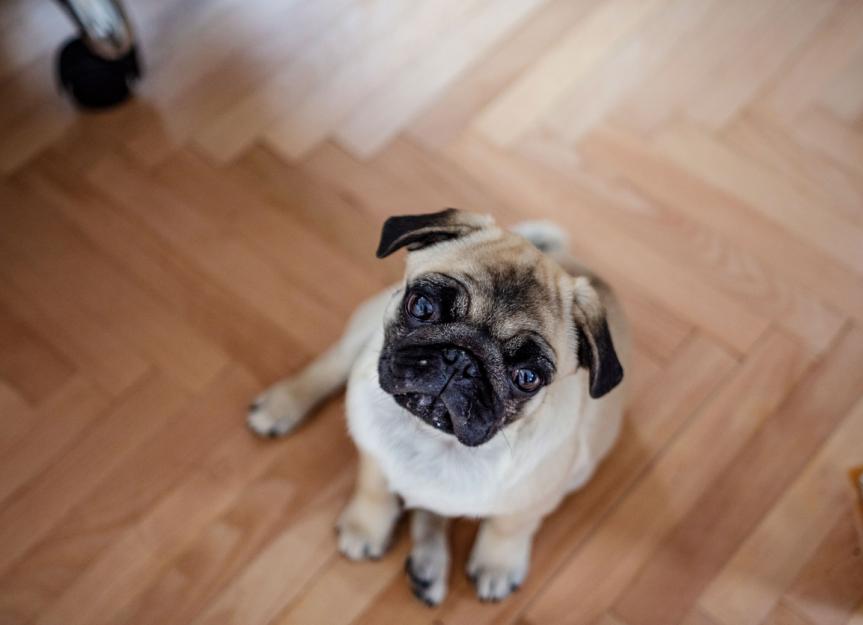
The intricate structure of a dog's nasal cavity, with its bony turbinates (those curlicues mentioned earlier), increases the surface area for scent detection but also creates nooks and crannies where bacteria, fungi, and foreign material can become trapped. This is further complicated in brachycephalic breeds (like Pugs and Bulldogs), where the anatomy of the nasal passages is often distorted, impairing drainage and ventilation. Impaired drainage can lead to increased colonization of pathogenic bacteria. The reduced airflow increases the risk of opportunistic infections.
Home-Care Hacks (Low-cost, Practical Tips)
- Humidifier Hero: Use a humidifier in the rooms where your dog spends the most time. Moist air can help soothe irritated nasal passages and loosen congestion.
- Saline Solution Savior: Gentle nasal saline drops can help flush out irritants and thin mucus. Ask your vet for a dog-safe formula and instructions.
- Steam Power: After a warm bath, let your dog hang out in the steamy bathroom for a few minutes. The steam can help open up nasal passages. But honestly, some dogs hate this.
The Red Flag Checklist (When to Panic vs. When to Wait)
- Breathing Difficulty: Labored breathing, excessive panting, or bluish gums are immediate emergencies. Get to a vet ASAP.
- Facial Swelling: Rapid swelling around the nose or eyes could indicate a serious infection or abscess.
- Lethargy and Anorexia: If your dog is suddenly listless and refusing to eat, something is definitely wrong.
- Persistent Discharge: Nasal discharge that is bloody, foul-smelling, or thick and colored (yellow, green) warrants a vet visit.
What are the Symptoms of Chronic Rhinitis in Dogs?
Symptoms of sinus infections in dogs can vary, but often include intermittent sneezing and nasal discharge. This discharge might be clear, gray, white, yellow, green, or even bloody. Owners might also notice swelling or depressions on the face or one side of the nose.
Beyond the obvious sneezing and snot, sinus infections can have far-reaching effects. A reduced sense of smell can lead to a decreased appetite. In severe cases, the inability to breathe easily can make eating and drinking a struggle. The constant inflammation can also trigger systemic effects like lethargy and fever. Honestly, I've seen dogs become head-shy due to the pain, hesitant to move their head, as if they're carrying a bowling ball on their shoulders.
The Clinical Perspective (Biological ‘Why’)
The color and consistency of the nasal discharge provide clues about the underlying cause. Clear discharge often indicates viral or allergic rhinitis, while colored discharge suggests a bacterial or fungal infection. Bloody discharge can be a sign of trauma, foreign body, or even a tumor. The swelling and pain associated with sinus infections are due to the inflammatory response, where immune cells release cytokines and other inflammatory mediators, causing vasodilation, edema, and nerve stimulation. It's a cascade of biological events that amplify the discomfort.
Home-Care Hacks (Low-cost, Practical Tips)
- Nasal Hygiene: Gently wipe away nasal discharge with a warm, damp cloth. Avoid using harsh soaps or chemicals.
- Elevated Bowls: For dogs with difficulty breathing, elevate their food and water bowls to make swallowing easier.
- Rest and Relaxation: Provide a quiet, comfortable space for your dog to rest and recover. Reduce stress and avoid strenuous activity.
The Red Flag Checklist (When to Panic vs. When to Wait)
- Open-Mouth Breathing: This is a sign of severe respiratory distress and requires immediate veterinary attention.
- Disorientation or Wobbliness: These neurological signs could indicate that the infection has spread to the brain.
- High Fever: A rectal temperature above 103.5°F (39.7°C) is a red flag.
- Vomiting: Persistent vomiting can lead to dehydration and electrolyte imbalances.
What Causes Dog Sinus Infections? Exploring the Underlying Factors
The causes of sinus infections in dogs are diverse, ranging from trauma to the nose or face to nasal or sinus tumors. Bacterial or fungal infections, such as Cryptococcus sp. or Aspergillus sp., are also common culprits, especially in breeds like German Shepherds. A tooth root abscess, particularly of the upper fourth premolar, can also spread infection to the sinuses.
Sometimes, it's not an infection at all, but chronic idiopathic rhinosinusitis – a fancy term for long-term nasal inflammation with no identifiable cause. Other times, it's a genetic issue like ciliary dyskinesia, where the tiny hairs in the respiratory tract don't function properly, leading to a buildup of debris and increased susceptibility to infection. And in brachycephalic breeds, sinus cysts can obstruct airflow and promote infection.
The Clinical Perspective (Biological ‘Why’)
Understanding the underlying cause is mission-critical for effective treatment. Trauma can disrupt the delicate nasal structures, creating pathways for bacteria to invade. Tumors can obstruct airflow and compromise the immune system. Fungal infections, like aspergillosis, often thrive in immunocompromised individuals, where their spores colonize the nasal passages and trigger a destructive inflammatory response. In ciliary dyskinesia, the dysfunctional cilia fail to clear mucus and debris, leading to chronic inflammation and bacterial overgrowth. This is all about immune function, airflow, and structural integrity.
Home-Care Hacks (Low-cost, Practical Tips)
- Allergen Avoidance: If allergies are suspected, minimize exposure to potential allergens like pollen, dust mites, and mold.
- Dental Hygiene: Regular tooth brushing and professional dental cleanings can prevent tooth root abscesses.
- Air Filtration: Use air purifiers with HEPA filters to remove airborne irritants and allergens.
The Red Flag Checklist (When to Panic vs. When to Wait)
- Sudden Onset: If your dog suddenly develops severe nasal discharge or breathing difficulty, seek immediate veterinary care.
- Unilateral Signs: Symptoms that are only present on one side of the face or nose could indicate a tumor or foreign body.
- Neurological Signs: Seizures, head tilt, or incoordination are serious signs that require immediate veterinary attention.
- Non-Responsive to Treatment: If your dog's symptoms don't improve with initial treatment, further diagnostics are needed.
How are Nasal and Sinus Infections Diagnosed?
Diagnosing sinus infections in dogs isn't always straightforward. A thorough examination of the nasal passages requires general anesthesia, as poking around an awake dog's nose isn't exactly a recipe for cooperation. Beyond the physical exam, diagnostic imaging (like X-rays or CT scans) and endoscopy (using a tiny camera to look inside the nose) are essential. Tissue biopsies are often needed to identify the underlying cause.
Additional tests may include a complete blood count (CBC) to look for signs of infection or inflammation, fungal blood tests to rule out Cryptococcus or Aspergillus, and fine needle aspirates of lymph nodes or facial swellings. Dental X-rays are crucial if a tooth root abscess is suspected. Honestly, I always push for a CT scan because it gives us the clearest picture of what's going on inside that complex nasal cavity.
The Clinical Perspective (Biological ‘Why’)
Each diagnostic test provides unique information. A CBC can reveal elevated white blood cell counts, indicating an active infection. Fungal blood tests detect antibodies or antigens specific to fungal pathogens. Fine needle aspirates can identify inflammatory cells or cancerous cells. Dental X-rays can pinpoint tooth root abscesses that are otherwise hidden. CT scans provide detailed images of the nasal passages, sinuses, and surrounding structures, allowing veterinarians to identify tumors, foreign bodies, and other abnormalities. It's about piecing together the puzzle using a variety of tools.
Home-Care Hacks (Low-cost, Practical Tips)
Unfortunately, there aren't many home-care hacks for diagnosing sinus infections. This is where veterinary expertise is non-negotiable.
The Red Flag Checklist (When to Panic vs. When to Wait)
- Delaying Diagnosis: Don't delay seeking veterinary care if your dog has persistent nasal discharge or breathing difficulty. Early diagnosis is key to successful treatment.
- Skipping Diagnostics: Don't skip recommended diagnostic tests, even if they seem expensive or invasive. Accurate diagnosis is essential for effective treatment.
- Self-Treating: Don't attempt to self-treat your dog's sinus infection with over-the-counter medications. This can mask the underlying problem and delay appropriate treatment.
What are the Treatment Options for Dog Sinus Infections?
The goal of treatment is always to address the underlying cause of the nasal signs whenever possible. Treatment might involve medication or surgery, depending on the diagnosis.
Medical therapy often involves antibiotics for bacterial infections, antifungals for fungal infections, and anti-inflammatory medications (like NSAIDs or steroids) to reduce inflammation. Nebulization (inhaling a mist of medication) can also be helpful. Surgery may be necessary to remove tumors, foreign bodies, or abscessed teeth. Brachycephalic dogs may benefit from surgery to improve airflow. I always tell my clients that treatment is a marathon, not a sprint. It often requires patience and persistence.
Medical Therapy
Dogs with bacterial infections in the nose and sinuses are typically placed on antibiotics given by mouth. Some vets may also prescribe antibiotics to be given as drops in the nose or with a nebulizer.
Dogs with chronic (long-term or recurrent) sinusitis due to bacterial infections are often treated with many rounds of antibiotics. This can make the antibiotics less effective because of antibiotic resistance. Pet parents can help prevent resistance by making sure to complete antibiotic courses, getting veterinary advice before starting a course of antibiotics, and avoiding antibiotic use unless it is necessary.
Dogs with ciliary dyskinesia are treated with nebulization and antibiotics as needed for recurrent infections.
Dogs with chronic idiopathic rhinosinusitis may benefit from anti-inflammatory treatment with NSAIDs (such as meloxicam) or a steroid (such as prednisone) when symptoms flare up. NSAIDs and steroids should never be given at the same time.
If a veterinarian diagnoses a fungal infection, treatment depends on the type of fungal infection and its location (nose, sinus, and whether the infection extends into the brain).
Aspergillus sp. infections are most common in German Shepherds but can be seen in any dog breed. The treatment is removal of visible fungus spots (plaques) within the nose and an infusion of sterile antifungal solution into the nose.
Cryptococcus sp. is typically treated with medications such as amphotericin B or fluconazole. Occasionally, frontal sinus infections may be treated with rhinoscopy or surgical treatment for flushing or removal of fungal plaques.
Surgery
A dog that has had head or face trauma may suffer nose or sinus fractures. If so, they would need surgery to relieve their pain and prevent long-term sinus and nasal infections.
Dogs with a tumor in the sinus or nose region may need surgery to remove the tumor or reduce its size. This surgery may be done after chemotherapy or radiation therapy has already been attempted to shrink the tumor.
When an abscess (pocket of pus) is present in a tooth root, that infection can spread to the nose and sinus. Antibiotics alone will not clear the infection until the tooth has been removed while the dog is under anesthesia.
Brachycephalic (short-nosed) dogs with recurrent nasal/sinus infections may benefit from surgery to widen their nostrils and/or remove extra soft palate tissue from the back of the mouth and their everted laryngeal saccules in their throat to ease their breathing. Once they are able to breathe more normally, many short-nosed dogs have fewer sinus infections.
Dogs with long-term infections of the frontal sinus may benefit from rhinoscopy or surgery with flushing and culture of the frontal sinus. The procedure is often recommended for dogs for whom repeated courses of medications have not relieved symptoms.
Brachycephalic dogs with a sinus cyst may have the cyst removed by rhinoscopy or occasionally with surgery of the frontal sinus.
The Clinical Perspective (Biological ‘Why’)
Antibiotics target bacterial pathogens by disrupting their cell walls or interfering with their metabolic processes. Antifungals inhibit the growth and reproduction of fungal organisms. Anti-inflammatory medications reduce the production of inflammatory mediators, alleviating pain and swelling. Surgery aims to remove the source of the infection or obstruction, restoring normal airflow and drainage. It's a multi-pronged approach designed to address the underlying cause and alleviate symptoms. Long-term antibiotic use can lead to bacteria developing resistance, often through horizontal gene transfer of resistance genes, which is why judicious use is so important.
Home-Care Hacks (Low-cost, Practical Tips)
- Medication Adherence: Administer all medications exactly as prescribed by your veterinarian. Don't skip doses or stop treatment early, even if your dog seems to be improving.
- Environmental Control: Minimize exposure to irritants and allergens. Keep your home clean and well-ventilated.
- Supportive Care: Provide a nutritious diet, fresh water, and plenty of rest.
The Red Flag Checklist (When to Panic vs. When to Wait)
- Lack of Improvement: If your dog's symptoms don't improve with treatment, or if they worsen, contact your veterinarian.
- Adverse Reactions: Watch for any signs of adverse reactions to medications, such as vomiting, diarrhea, or skin rash.
- Recurrence: Be aware that sinus infections can recur, especially in dogs with chronic underlying conditions.
What is the Recovery and Management Plan?
Recovery from sinus infections varies depending on the underlying cause and the treatment approach. Bacterial infections may clear with a single course of antibiotics, but recurrence is common due to the nasal anatomy. Dogs with ciliary dyskinesia face a guarded prognosis due to their impaired ability to clear infections. Chronic idiopathic rhinosinusitis is often a recurrent disease, requiring long-term management. For Aspergillus and Cryptococcus infections, the prognosis depends on the severity and location of the infection.
After surgery, recovery may take several weeks, depending on the extent of the procedure. Dogs with tooth root abscesses typically recover well after tooth extraction. Brachycephalic dogs often experience improved breathing after surgery to widen their nostrils and remove excess tissue. Long-term management often involves medication, environmental control, and supportive care. Honestly, it's about finding a balance between controlling the symptoms and minimizing the side effects of treatment.
The Clinical Perspective (Biological ‘Why’)
The long-term prognosis is influenced by several factors. The anatomy of the nasal passages predisposes dogs to recurrent infections due to the presence of pockets where bacteria can persist. Ciliary dyskinesia impairs the mucociliary clearance mechanism, leading to chronic inflammation and infection. Chronic idiopathic rhinosinusitis is thought to involve dysregulation of the immune system, leading to persistent inflammation. Fungal infections can cause tissue damage and compromise immune function. Postsurgical complications, such as scarring and stricture, can impair airflow and drainage. It's a complex interplay of anatomical, immunological, and infectious factors.
Home-Care Hacks (Low-cost, Practical Tips)
- Follow-Up Appointments: Attend all scheduled follow-up appointments with your veterinarian.
- Medication Monitoring: Monitor your dog for any signs of adverse reactions to medications.
- Environmental Modifications: Make necessary adjustments to your dog's environment to minimize exposure to irritants and allergens.
The Red Flag Checklist (When to Panic vs. When to Wait)
- Worsening Symptoms: If your dog's symptoms worsen despite treatment, contact your veterinarian.
- New Symptoms: Be alert for any new symptoms that develop during the recovery period.
- Relapse: Be prepared for the possibility of relapse, especially in dogs with chronic underlying conditions.