

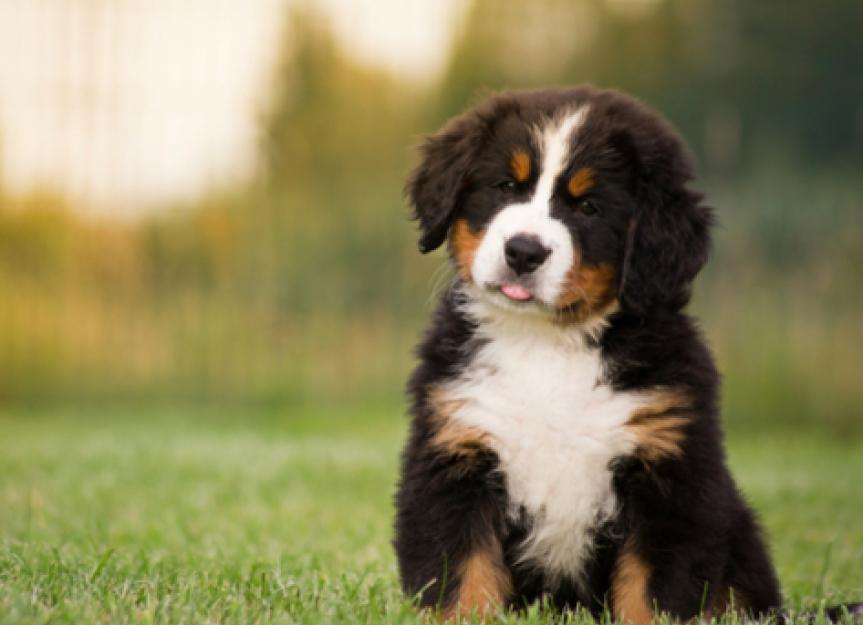
Shaking Puppy Syndrome: Why Your Puppy Trembles and What to Do
Here's a counter-intuitive fact I tell every client in the exam room: shivering in puppies isn't *always* about being cold or scared. Sometimes, it's a genetic condition called Shaking Puppy Syndrome. Many owners are surprised it's not always environmental!
For Busy Owners: Shaking Puppy Syndrome, or hypomyelination, affects the nerves, causing tremors. While alarming, many puppies recover with supportive care. Early diagnosis and understanding the condition are mission-critical for your puppy's well-being.
What is Shaking Puppy Syndrome (Hypomyelination) in Puppies?
Shaking Puppy Syndrome, or hypomyelination, is a congenital condition impacting a young dog's nervous system, both central and peripheral. It stems from a deficiency in myelin, the fatty insulation around nerves. This insulation is non-negotiable for proper nerve signal transmission; without it, electrical impulses misfire, leading to tremors and incoordination throughout the body.
Think of myelin like the plastic coating on an electrical wire. When that coating is thin or absent (hypomyelination), the electrical signal (nerve impulse) short-circuits. This short-circuiting manifests as tremors. The biological 'why' here is that the oligodendrocytes, the cells responsible for producing myelin, are not functioning correctly, often due to a genetic defect. This directly impairs nerve conduction velocity, meaning signals don't travel as efficiently as they should.
What are the Key Symptoms of Shaking Puppy Syndrome and How Quickly Do They Appear?
Tremors in Shaking Puppy Syndrome typically emerge shortly after birth, sometimes as early as two weeks. Beyond shaking, affected puppies may exhibit difficulties walking, balance and coordination problems (ataxia, in vet-speak, which means wobbly). They may also adopt a wide-based stance to try to stabilize themselves. Excitement will exacerbate the tremors, and they often intensify during mealtimes, only to subside during rest. Despite these physical challenges, their mental alertness usually remains normal.
The biological reason excitement worsens tremors involves the release of adrenaline and noradrenaline. These neurotransmitters amplify nerve activity, making the faulty myelin even more apparent. The tremors are essentially an over-exaggerated response to normal stimuli. It is honestly heartbreaking to see in the exam room. I often have to remind the owner that the puppy is usually mentally normal.
The Clinical Perspective (Biological 'Why')
The timing of symptom onset is directly related to the myelination process. Myelination is usually complete by the time a puppy is 4-6 months old. In affected puppies, this process is disrupted from the start. The severity of symptoms often correlates with the degree of hypomyelination. Some puppies might have a mild tremor that barely affects their daily life, while others are severely debilitated.
Home-Care Hacks (Low-cost, Practical Tips)
- Create a Safe Space: Provide a padded, secure area to prevent injuries during tremors or falls.
- Elevated Food and Water Bowls: Makes mealtime easier and reduces spillage.
- Non-Slip Flooring: Use rugs or mats to improve traction and prevent slips.
- Minimize Stress: Keep the environment calm and predictable to reduce excitement-induced tremors.
The Red Flag Checklist (When to Panic vs. When to Wait)
- Difficulty Breathing: Any respiratory distress is an emergency.
- Seizures: Unlike tremors, seizures involve loss of consciousness and uncontrolled muscle activity. Seek immediate veterinary attention.
- Inability to Eat or Drink: This can lead to dehydration and malnutrition.
- Rapid Deterioration: If the puppy's condition worsens quickly, it's time for an immediate vet visit.
What are the Root Causes of Hypomyelination in Puppies?
Hypomyelination is almost always a hereditary condition, meaning it's passed down through genes. Certain breeds are more prone to developing it. Common breeds include Springer Spaniels, Australian Silky Terriers, Weimaraners, and Golden Retrievers, among others. It's mission-critical to realize that mixed breeds can also be affected. Interestingly, male dogs tend to be more susceptible than females. In Golden Retrievers, a specific form affects the peripheral nervous system, causing similar symptoms without the shaking, and appears later, around 5-7 weeks old.
The genetic transmission varies by breed. In Springer Spaniels, males are more severely affected, and often succumb to the disease or require euthanasia due to severity. Female Springers may recover eventually. Here's the deal: the reason males are more prone in some breeds has to do with sex-linked inheritance patterns. If the defective gene is on the X chromosome, males (who have only one X chromosome) are more likely to express the trait. Female dogs are protected due to having two X chromosomes, meaning they have another chance at a normal gene.
How is Shaking Puppy Syndrome Diagnosed? What Tests are Needed?
Diagnosing hypomyelination involves ruling out other potential causes. The vet will perform a full physical and neurological exam, gathering a detailed history, including family history. Blood tests are essential to check organ function and rule out toxins. Chest and back radiographs screen for skeletal issues. A spinal fluid sample may also be collected. Genetic tests can sometimes detect the mutation, but asymptomatic carriers exist.
Other diagnostic tools include CT scans, electromyography, MRI, or myelography. Honestly, diagnosis is often by exclusion, meaning we eliminate everything else first. Definitive diagnosis requires microscopic examination of the spinal cord post-mortem. It is a tough road to get to a diagnosis, and I always tell my clients to prepare for a battery of tests.
Treating Shaking Puppy Syndrome: Is There a Cure? What is the Prognosis?
There's no direct treatment for hypomyelination itself. The good news is that many affected puppies recover, becoming relatively normal by 1-1.5 years old. Milder cases might improve by 3-4 months. However, most survivors will have mild hind limb tremors throughout their lives. Treatment focuses on supportive care and managing symptoms to ensure the puppy's comfort and safety during development.
The prognosis varies. Some puppies will have a complete recovery. Others will have very mild residual tremors. And some will have such severe disease that euthanasia is the most humane option. From a biological perspective, the recovery hinges on the ability of the nervous system to compensate for the lack of myelin. This compensation involves the remaining oligodendrocytes working harder and the nervous system finding alternative pathways for signal transmission. It is honestly amazing how resilient puppies can be.