

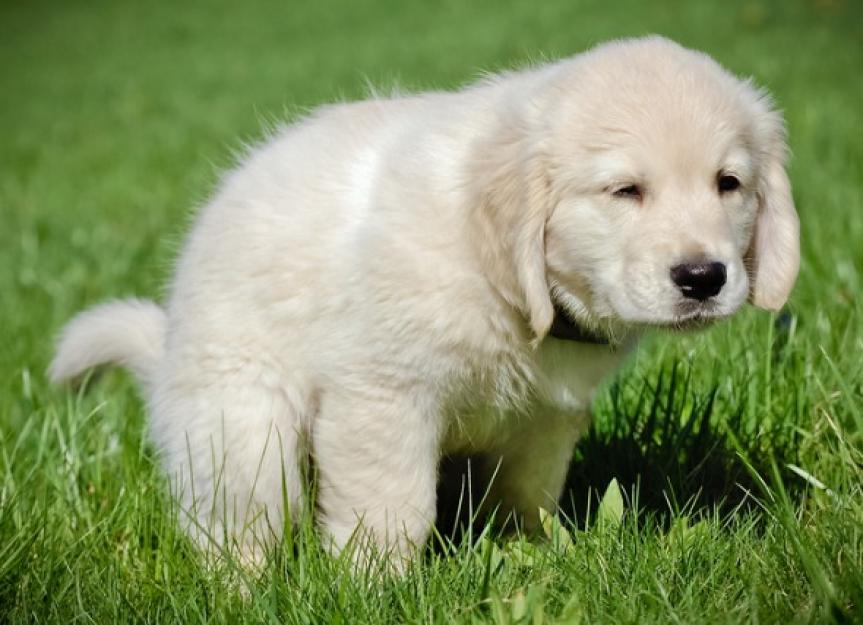
Puppy Poop Masterclass: Frequency, Consistency & When to Panic
Here's a fun fact from the exam room: many owners think that if a puppy isn't pooping multiple times a day, something is terribly wrong. Actually, the opposite is often true. Infrequent or difficult defecation can signal a much more urgent problem than frequent, albeit messy, poops.
Busy Owner Summary: Puppies poop more than adult dogs due to their developing digestive systems. Expect 5-6 bowel movements daily, decreasing with age. Monitor for sudden changes in frequency, consistency, or color, and consult your vet if issues persist or your puppy shows signs of discomfort.
How Often Should a Puppy Poop? Understanding Normal Puppy Poop Frequency
Puppies generally poop a lot due to their small size and rapidly developing intestinal tracts. Their digestive systems process food quickly, sometimes incompletely. The younger they are, the faster food moves through. Expect around 5-6 times a day, but this decreases as they mature. This rapid transit time is due to immature gut flora and less efficient enzymatic digestion in the small intestine.
It's common for young pups to defecate 5-6 times daily, sometimes even more. By 12 weeks, it might decrease to 4 times, and by 6 months, around 3. Adult dogs usually poop once a day, up to 3 times. Knowing what’s normal for *your* puppy is mission-critical. Any sudden changes warrant a vet visit.
The Clinical Perspective (Biological 'Why')
Think of a puppy's digestive system as a brand-new factory. It's still calibrating! The gut microbiome, the ecosystem of bacteria that aids digestion, is not yet fully established. This means food isn't broken down as efficiently. Peristalsis, the muscle contractions that move food along, can be erratic. This leads to more frequent bowel movements, and sometimes, less-than-ideal consistency.
Home-Care Hacks (Low-cost, Practical Tips)
- Establish a Routine: Feed your puppy at the same times each day to regulate their digestive system.
- Probiotic Power: A small dollop of plain yogurt (with live cultures) can help seed the gut with beneficial bacteria.
- Fiber Boost: A tiny bit of pumpkin puree (not pie filling!) can help regulate bowel movements.
The Red Flag Checklist (When to Panic vs. When to Wait)
- Red Flag: Watery diarrhea or vomiting.
- Red Flag: Blood in the stool.
- Wait and See: A single instance of slightly soft stool, with no other symptoms.
What if Your Puppy Poops a Lot More Than Average? Identifying Puppy Diarrhea Causes
Comparing puppies can be tricky, as "average" varies. Some poop more; some less. Monitor what’s normal for *your* pup. If they suddenly poop more, check for changes in color, consistency, or coatings. Also, note their behavior for signs of discomfort. Monitor them for 24 hours. If stool changes persist or they're not eating or acting perky, call the vet. Sudden increases in frequency can be due to dietary indiscretion, stress, or parasitic infections that disrupt the intestinal lining and increase motility.
Almost all puppies are born with intestinal parasites. That’s why vets recommend frequent deworming and stool tests. Parasites affect stool, so have your vet diagnose and treat them. Common culprits include roundworms, hookworms, and coccidia, all of which thrive in a puppy's immature immune system.
The Clinical Perspective (Biological 'Why')
Parasites wreak havoc on a puppy's gut lining. They physically damage the intestinal cells responsible for absorbing nutrients and water. This leads to malabsorption and diarrhea. Some parasites, like Giardia, also interfere with the production of digestive enzymes, further compounding the problem.
Home-Care Hacks (Low-cost, Practical Tips)
- Bland Diet: Boiled chicken and rice can help soothe an upset stomach.
- Hydration is Key: Ensure constant access to fresh water to prevent dehydration.
- Hygiene Matters: Thoroughly clean up any accidents to prevent the spread of parasites.
The Red Flag Checklist (When to Panic vs. When to Wait)
- Red Flag: Profuse, watery diarrhea, especially if accompanied by vomiting.
- Red Flag: Lethargy or weakness.
- Wait and See: A single episode of soft stool, with no other signs of illness.
What If Your Puppy Isn't Pooping Enough? Recognizing Constipated Puppy Remedies
It's rare for healthy puppies *not* to poop enough! If your puppy suddenly produces less poop or strains, they may have an intestinal blockage from eating something indigestible. This is an emergency. Anything a puppy chews, like toy pieces, can cause a blockage. Decreased motility can result from dehydration, lack of fiber, or even neurological issues affecting the nerves that control bowel movements.
Pups not feeling well or eating normally also produce less stool. If your puppy isn’t defecating enough or there is a sudden change, call your veterinarian ASAP.
The Clinical Perspective (Biological 'Why')
Intestinal blockages are serious because they prevent the normal flow of digesta. This leads to a buildup of pressure and toxins in the gut. In severe cases, it can cause the intestinal wall to rupture, leading to peritonitis (a life-threatening infection of the abdominal cavity).
Home-Care Hacks (Low-cost, Practical Tips)
- Hydration Check: Ensure your puppy is drinking enough water.
- Gentle Exercise: Light activity can stimulate bowel movements.
- Monitor Food Intake: Make sure your puppy is eating regularly.
The Red Flag Checklist (When to Panic vs. When to Wait)
- Red Flag: Straining to defecate with no results.
- Red Flag: Vomiting and abdominal pain.
- Wait and See: A single day without a bowel movement, if your puppy is otherwise acting normally.
When Should a Puppy Poop? Establishing a Potty Training Schedule
Most puppies need to poop shortly after eating, but this varies. It takes time for them to understand their body signals, so training takes time. After feeding, wait a few minutes, then take them outside. Staying outside until they poop reduces indoor accidents. This is because the gastrocolic reflex, the urge to defecate after eating, is strong in puppies.
Look for signs like sniffing the floor or circling. As soon as you see these, get them outside quickly to aid house-training!
The Clinical Perspective (Biological 'Why')
The gastrocolic reflex is triggered by the distension of the stomach after eating. This stimulates the colon to contract, pushing waste material towards the rectum. Puppies have a heightened gastrocolic reflex due to their immature digestive systems.
Home-Care Hacks (Low-cost, Practical Tips)
- Consistent Schedule: Take your puppy out at the same times each day.
- Positive Reinforcement: Reward your puppy immediately after they poop outside.
- Supervise Closely: Prevent accidents by keeping a close eye on your puppy indoors.
The Red Flag Checklist (When to Panic vs. When to Wait)
- Red Flag: Inability to control bowel movements, even after consistent training.
- Red Flag: Straining or discomfort during defecation.
- Wait and See: Occasional accidents, especially during the initial stages of potty training.
What Should Your Puppy's Poop Look Like? Decoding Puppy Stool Consistency
Puppy poop varies a lot, making "normal" challenging to define. Generally, it should resemble a soft, large Tootsie roll: brown and well-formed, not soft, runny, or too hard. Variations in color can reflect diet, hydration, or underlying medical issues affecting bile production and intestinal absorption.
Size varies with dog size, time of day, and diet, but note especially large or small stools. A small amount of mucus is normal, but no blood. Finally, ensure no foreign, undigested material. Soon, you'll know what's normal for your puppy. If something seems off, contact your vet. Elimination habits and stools change with time, but gradually. Your little pooping machine will eventually settle into a consistent pattern.
The Clinical Perspective (Biological 'Why')
Stool consistency reflects the balance of water absorption in the colon. If the colon absorbs too much water, the stool becomes hard and dry. If it absorbs too little, the stool becomes soft and watery. Changes in stool color can indicate problems with the liver, gallbladder, or pancreas.
Home-Care Hacks (Low-cost, Practical Tips)
- Dietary Consistency: Avoid sudden changes in your puppy's food.
- Hydration Monitoring: Ensure your puppy is drinking enough water.
- Regular Observation: Pay attention to your puppy's stool during each potty break.
The Red Flag Checklist (When to Panic vs. When to Wait)
- Red Flag: Black, tarry stools (melena), which indicate digested blood.
- Red Flag: Pale, clay-colored stools, which suggest a problem with bile production.
- Wait and See: A single instance of slightly discolored stool, if your puppy is otherwise acting normally.