

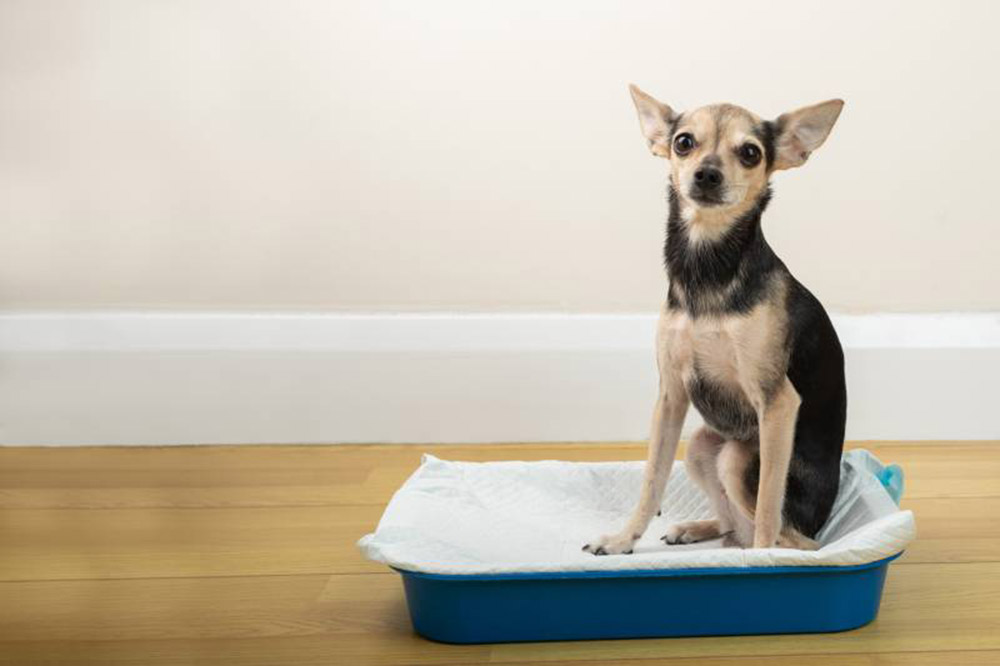
Potty Training for Small Dogs: The Litter Box Masterclass
Here's a counter-intuitive fact from the exam room: some dogs actually prefer using a litter box over going outside, especially when the weather is frightful. It's less about laziness and more about control and comfort for them. Who knew?
For Busy Owners: Yes, dogs can be litter box trained, especially smaller breeds. Consistency and positive reinforcement are mission-critical. Address any underlying urinary issues with your vet to ensure success.
Why is Litter Box Training Ideal for Small Dogs?
Litter box training is often recommended for smaller dog breeds because, honestly, finding appropriately sized boxes for larger dogs is a nightmare. Large dogs produce larger volumes of urine, exceeding the capacity of most standard litter boxes. This can lead to overflow and splashing, defeating the entire purpose. The goal is a box they can comfortably step into, ideally with higher walls to minimize messes, particularly with male dogs who tend to hike a leg.
Before You Start: Finding the Right Litter Box Size for Your Dog
Before diving into training, ensure the litter box is appropriately sized. The box needs to be large enough for your dog to comfortably turn around in. Consider the height of the sides – too low, and you’ll be cleaning up splashes; too high, and your dog might struggle to get in. Remember, positive associations are crucial; a frustrating experience early on can set you back.
The Clinical Perspective (Biological ‘Why’)
A dog's bladder capacity is directly related to its size. Smaller dogs have smaller bladders, leading to more frequent urination. Also, consider age. Puppies lack the fully developed bladder control of adult dogs. This is due to the still-developing detrusor muscle in their bladder walls, which is responsible for contraction and emptying. As they mature, this muscle strengthens, improving their ability to hold urine. Hormonal influences also play a role; vasopressin, an antidiuretic hormone, helps regulate water retention and urine concentration.
Home-Care Hacks (Low-cost, practical tips)
- DIY Litter Box: Repurpose a shallow storage container.
- Litter Type: Avoid clumping cat litter, which can be harmful if ingested. Opt for paper-based or wood pellet litter.
- Placement Matters: Put the litter box near the door they use to go outside to pee.
The Red Flag Checklist (When to panic vs. when to wait)
- Straining to Urinate: This could indicate a urinary tract infection (UTI) or bladder stones.
- Blood in Urine (Hematuria): Always warrants immediate veterinary attention.
- Increased Water Consumption (Polydipsia): Can be a sign of underlying kidney or metabolic issues.
The 6 Steps: How to Train Your Dog to Use a Litter Box Indoors
The process mirrors puppy pad training. Consistency is non-negotiable. Choose a litter box and litter material. Introduce your dog to the box, using positive reinforcement when they investigate it. Establish a routine by placing them in the box at regular intervals, especially after waking up and after meals. Praise and reward them immediately after they eliminate in the box.
1. Set Up the Litter Box in an Accessible Spot
The first step is strategic placement. The litter box should be easily accessible and located in an area your dog frequents. Out of sight, out of mind rings true here. If they don’t see it, they won’t use it. Think high-traffic areas, but away from their food and water.
2. Understanding Your Puppy's Potty Frequency
Knowing how often your puppy needs to pee is mission-critical for success. Puppies have limited bladder control compared to adult dogs. A general rule of thumb: a puppy can hold their urine for the number of months of their age, plus one hour. So, a three-month-old puppy can hold it for approximately four hours. Keep in mind that smaller breeds typically need to go more often due to their smaller bladder capacity. Also, take them to the litter box first thing in the morning, last thing at night, and 20-30 minutes after meals or water.
3. How to Introduce Your Dog to the Litter Box
When it's potty time, gently guide your dog to the litter box. If they resist, use treats to encourage them inside. Stay calm and give them time to do their business. If they eliminate, reward them immediately with a high-value treat and praise. You can also start using a command, like “Go potty,” to associate the action with a verbal cue. If they don't go after a few minutes, take them out and try again shortly after.
4. The Power of Praise and Positive Reinforcement
Positive reinforcement is your best friend. After successful litter box use, shower your dog with praise, treats, and affection. This creates a positive association, making them more likely to repeat the behavior. Consistency is key; reward them every time, even if it seems redundant. What I tell my clients is, the best training is the one where the reward is given immediately!
5. Immediate and Thorough Accident Clean-Up
Accidents will happen, it's inevitable. Never punish your dog for accidents; this will only create fear and anxiety, making training harder. Clean up accidents immediately and thoroughly with an enzymatic cleaner specifically designed for pet messes. These cleaners break down urine and eliminate odors, preventing your dog from revisiting the same spot.
6. Adjusting Litter Box Location as Needed
Once your dog consistently uses the litter box, you can gradually move it to a more convenient location, if needed. Make sure the new spot is still easily accessible. Your dog may need reminders and guidance during the transition, but eventually, they'll adapt to the new location. Remember, gradual changes are less stressful for your dog.
A Note on Urinary Health: When to Consult Your Veterinarian
If you're facing significant challenges with litter box training, consult your veterinarian or a professional dog trainer. Underlying urinary tract issues can hinder potty training. Common signs include abnormal urination patterns, increased water consumption, painful urination, and straining. Blood in the urine is always a red flag requiring immediate veterinary attention.
The Clinical Perspective (Biological ‘Why’)
Urinary issues, like UTIs, are common in small dogs. These infections cause inflammation and irritation of the bladder lining, leading to frequent urges to urinate and discomfort. Bladder stones can also cause similar symptoms by physically obstructing the urethra and irritating the bladder wall. In older dogs, kidney disease can lead to increased urine production and difficulty concentrating urine, resulting in more frequent urination. Hormonal imbalances, such as those seen in Cushing's disease, can also contribute to increased thirst and urination.
Conclusion
Litter box training offers unparalleled convenience, particularly for apartment dwellers or those with limited outdoor access. While it's most practical for smaller breeds, with patience and consistency, most dogs can be successfully trained. So, if you're seeking an indoor potty solution, litter box training is worth exploring.