

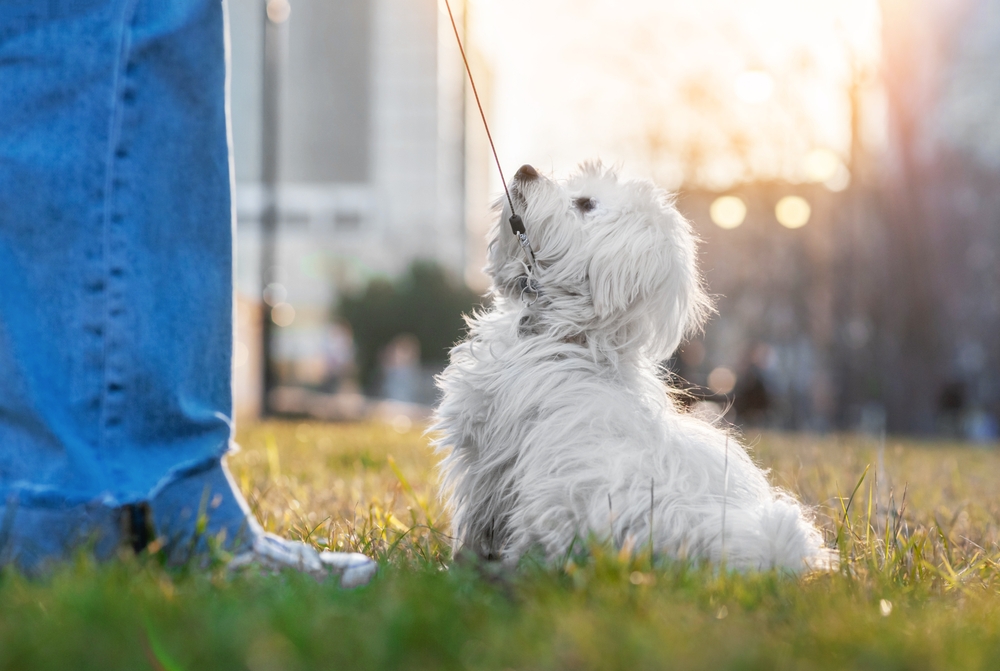
Potty Training Champions: 15 Small Dog Breeds That Are Easiest to Train
Here's a counter-intuitive fact I tell clients in the exam room all the time: bigger dogs aren't always harder to train. Sometimes it's the little guys who give us the most grief. Why? Because their cuteness often lets them get away with murder! But, honestly, some small breeds are genuinely eager to please and quick to learn, making training a surprisingly joyful experience.
For Busy Owners: Small dog breeds can be surprisingly trainable. These breeds often possess a natural eagerness to please, making them quick learners. Consistent, positive reinforcement techniques will yield the best results.
Why Are Some Small Dog Breeds Easier to Potty Train Than Others?
The ease of training in small dog breeds isn't just about size; it's a fascinating blend of genetics and breed history. Many trainable small dogs were originally bred for specific tasks requiring intelligence and cooperation. This inherent drive to work with humans makes them naturally receptive to training. Consider the impact of selective breeding on dopamine pathways; dogs bred for collaboration show increased reward responses during training.
The Clinical Perspective (Biological 'Why')
It’s all about the brain, folks. Breeds with a strong working history often have more developed frontal lobes – the area responsible for problem-solving and decision-making. Think of it like this: a dog bred to herd sheep needs to quickly assess situations and respond accordingly. That translates to a dog who picks up commands faster. Plus, early socialization and exposure to different stimuli play a massive role. Pups raised in enriching environments develop stronger neural connections, making them more adaptable and trainable throughout their lives.
Home-Care Hacks (Low-cost, Practical Tips)
You don’t need fancy equipment or expensive trainers to get results. Simple consistency is mission-critical. Use high-value treats (tiny pieces of cooked chicken or cheese work wonders) and keep training sessions short and fun. Aim for 5-10 minutes, several times a day. End each session on a positive note, even if it’s just a simple “sit” command they already know. Also, remember that mental stimulation is just as important as physical exercise. Puzzle toys and interactive games can keep their minds sharp and prevent boredom-related behavioral issues.
The Red Flag Checklist (When to Panic vs. When to Wait)
Not all training challenges are created equal. If your pup is suddenly resistant to commands they previously mastered, it's time to consider a medical reason. Things like urinary tract infections (UTIs) can cause accidents in the house, even in a perfectly house-trained dog. Similarly, cognitive dysfunction – doggie dementia – can lead to confusion and loss of learned behaviors. So, if you notice sudden changes, consult your vet to rule out any underlying health problems. Otherwise, a little patience and consistency can overcome most training hurdles.
Toy Poodle: The Brainy Water Retriever
Toy Poodles are renowned for their exceptional intelligence, making them highly trainable. Their eagerness to please combined with their sharp minds allows them to quickly grasp new commands and tricks. Positive reinforcement methods are particularly effective with this breed, as they thrive on praise and attention. The impact of early neurological stimulation (ENS) during puppyhood cannot be overstated for this breed.
| Height: | 10 inches |
| Weight: | 6 – 10 pounds |
| Lifespan: | 10 – 18 years |
American Hairless Terrier: The Vermin Hunter
American Hairless Terriers are intelligent and eager to learn, making training a positive experience. Their playful nature and quick learning ability make them a joy to work with. Early socialization is crucial for this breed to prevent shyness or aggression towards strangers. The lack of hair also influences their thermoregulation; owners must be mindful of temperature extremes during training.
| Height: | 12 – 16 inches |
| Weight: | 12 – 16 pounds |
| Lifespan: | 14 – 16 years |
Australian Terrier: The Independent Mouse Hunter
Australian Terriers are intelligent dogs that can learn quickly, though they have an independent streak. Keeping training sessions fresh and engaging is key to maintaining their interest. Their terrier heritage means they have a strong prey drive; early training should focus on recall and impulse control. The breed's compact size belies their hardy nature, a trait developed from their working history in the Australian outback.
| Height: | 10 – 11 inches |
| Weight: | 15 – 20 pounds |
| Lifespan: | 12 – 15 years |
Bichon Frise: The Emotionally Intelligent Herder
Bichon Frises are highly intelligent and quick learners, making them easy to train. Their emotional intelligence allows them to connect with their humans on a deeper level. Consistency and positive reinforcement are essential for successful training. The breed's white coat requires regular grooming to prevent matting and skin issues, a key consideration for owners.
| Height: | 10 – 12 inches |
| Weight: | 10 – 18 pounds |
| Lifespan: | 12 – 15 years |
Papillon: The Attentive Companion
Papillons are intelligent dogs that enjoy learning, making training a joyful experience. They excel at learning new tricks and commands, ranking high in canine intelligence. Early socialization is crucial to prevent shyness or anxiety. The breed's distinctive butterfly-like ears require regular cleaning to prevent infections.
| Height: | 8 – 11 inches |
| Weight: | 5 – 10 pounds |
| Lifespan: | 13 – 15 years |
Miniature Schnauzer: The Friendly Rat Catcher
Miniature Schnauzers are friendly and eager to please, learning quickly with creative training. Their high intelligence and quick-to-bore temperament require varied, short sessions. Regular grooming is essential to maintain their distinctive beard and prevent skin issues. The breed's tendency to develop hyperlipidemia requires a diet management plan.
| Height: | 12 – 14 inches |
| Weight: | 11 – 20 pounds |
| Lifespan: | 12 – 15 years |
Pomeranian: The Spunky Herder
Pomeranians are spunky dogs with high intelligence, generally easy to train but with an independent streak. They excel in dog sports like agility and obedience, but their small size makes them fragile. Regular grooming is essential to maintain their fluffy coat. The breed's predisposition to tracheal collapse requires careful harness selection.
| Height: | 6 – 7 inches |
| Weight: | 3 – 7 pounds |
| Lifespan: | 12 – 16 years |
Cavalier King Charles Spaniel: The Calm Lap Dog
Cavalier King Charles Spaniels are smart and train easily, enjoying learning new commands and tricks. They can be sensitive, requiring patience and calm during training. Regular grooming is essential to prevent matting. The breed's predisposition to mitral valve disease (MVD) requires regular cardiac check-ups.
| Height: | 12 – 13 inches |
| Weight: | 13 – 18 pounds |
| Lifespan: | 12 – 15 years |
Coton de Tulear: The Energetic Companion
Coton de Tulears are intelligent and energetic, easy to train with problem-solving abilities. Their happy personality makes training enjoyable. Regular grooming is essential to maintain their cotton-like coat. The breed's tendency to develop intervertebral disc disease (IVDD) requires careful monitoring and preventive measures.
| Height: | 9 – 11 inches |
| Weight: | 8 – 13 pounds |
| Lifespan: | 14 – 16 years |
Boston Terrier: The Eager-to-Please Fighter
Boston Terriers are intelligent and eager to please, relatively easy to train with short, varied sessions. Positive reinforcement techniques work best. The breed's brachycephalic (flat-faced) nature requires careful exercise management to prevent breathing difficulties. Regular eye exams are essential due to their predisposition to corneal ulcers.
| Height: | 9 – 15 inches |
| Weight: | 6 – 25 pounds |
| Lifespan: | 11 – 13 years |
Pembroke Welsh Corgi: The Smart Herding Dog
Pembroke Welsh Corgis are sturdy and extremely intelligent, excelling in canine sports. Their high intelligence and eagerness to please make training easy. Regular exercise is essential to prevent obesity. The breed's long back makes them prone to intervertebral disc disease (IVDD), requiring careful monitoring.
| Height: | 10 – 12 inches |
| Weight: | Up to 30 pounds |
| Lifespan: | 12 – 13 years |
Toy Fox Terrier: The Extroverted Vermin Hunter
Toy Fox Terriers are tenacious and intelligent, with a naturally extroverted temperament. These loyal pups are easy to train and enjoy a wide range of activities. Regular dental care is essential due to their small size and predisposition to dental issues. The breed's high energy levels require regular exercise.
| Height: | 8.5 – 11.5 inches |
| Weight: | 4 – 9 pounds |
| Lifespan: | 13 – 15 years |
Maltese: The Eager-to-Please Companion
Maltese dogs are eager to please and responsive to training, enjoying learning new commands and tricks. They excel in canine sports like agility and obedience. Regular grooming is essential to maintain their long, white coat. The breed's tendency to develop tear staining requires regular facial cleaning.
| Height: | 7 – 9 inches |
| Weight: | Under 7 pounds |
| Lifespan: | 12 – 15 years |
Schipperke: The Food-Motivated Guardian
Schipperkes are intelligent and energetic, excelling in dog sports like obedience and agility. This confident breed loves having a job to do and is trainable with high-value treats. Regular exercise is essential to manage their high energy levels. The breed's tendency to develop hypothyroidism requires regular thyroid testing.
| Height: | 10 – 13 inches |
| Weight: | 10 – 16 pounds |
| Lifespan: | 12 – 16 years |
Miniature Rat Terrier: The Bright Farm Dog
Miniature Rat Terriers are bright and agile, with expert hunting skills and intelligence. Training sessions need to be short, fun, and rewarding. They excel in dog sports like agility, flyball, and scent work. Regular exercise is essential to manage their high energy levels. The breed's tendency to develop patellar luxation requires careful monitoring.
| Height: | 10 – 13 inches |
| Weight: | 10 – 18 pounds |
| Lifespan: | 12 – 18 years |