

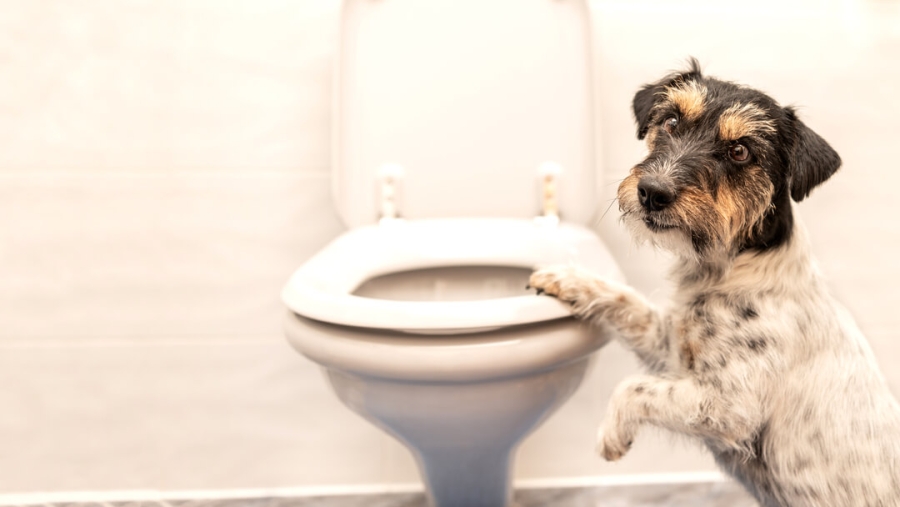
Potty Problems Solved: Natural Remedies for Constipated Pets
Seeing your pet struggle with constipation? It's tough. As a vet, I've seen the discomfort firsthand, and I know you want to help them feel better. Let's explore some natural ways to get things moving, but remember, always check with your vet first. Some issues are more serious.
Constipation in pets can be caused by dehydration, lack of fiber, or underlying medical conditions. These remedies are designed for mild cases. When in doubt, call your vet.
Understanding Pet Constipation
First, what *is* constipation? It's infrequent or difficult bowel movements. You might notice your pet straining, producing small, hard stools, or not defecating at all. We also worry when we see them having accidents indoors.
Keep an eye out for other symptoms like lethargy, loss of appetite, or abdominal pain. These things can be signs of a more serious problem.
Natural Remedies to Get Things Moving
Okay, let's get into the good stuff. Here are some natural approaches you can try at home to relieve mild constipation. Remember, these are NOT a substitute for professional veterinary advice.
Hydration is Key
Dehydration is a major contributor to constipation. Make sure your pet always has access to fresh, clean water.
- Add water to their food.
- Try a pet fountain to encourage drinking.
- Offer low-sodium broth (unsalted!)

Fiber-Rich Foods
Fiber adds bulk to the stool, making it easier to pass. Think of it like a natural lubricant.
- Pumpkin: Plain, canned pumpkin (not pumpkin pie filling!) is a great source of fiber. Start with a tablespoon for dogs, a teaspoon for cats.
- Psyllium husk: This is another fiber source that can be added to food.
- Bran: A small amount of bran can also help.
Gentle Exercise
Movement stimulates the digestive system. A short walk or playtime can help get things moving.
Probiotics
Probiotics support a healthy gut microbiome, which can aid digestion. Look for pet-specific probiotics.
The Expert's Corner: Vet's Perspective
I remember one time in the exam room...a client insisted on treating their constipated cat with mineral oil. Please, don't do that! Mineral oil can be dangerous if aspirated into the lungs. Always, always consult your vet before giving any remedy. We want to rule out things like obstructions or megacolon. We also want to make sure your pet isn't experiencing ataxia. (That's a loss of coordination, for those of you playing along at home.) And listen to their borborygmi (gut sounds). We listen to that too!
Pro-Tip: Keep a close eye on your pet's litter box or potty habits. Noticing changes early can help you address constipation before it becomes a major issue. And don’t ignore straining that produces nothing. That’s a medical emergency.
When to See a Vet
These situations require immediate veterinary attention:
- Severe straining
- Blood in the stool
- Vomiting
- Loss of appetite
- Lethargy
These could be signs of a serious underlying problem that needs professional treatment. It's always better to be safe than sorry.