

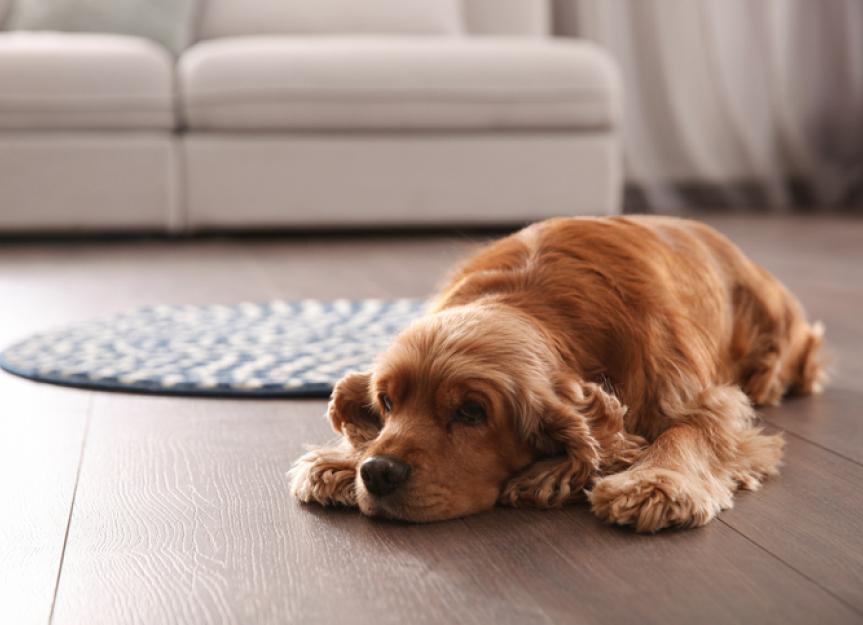
Pepto-Bismol for Dogs: Is it Safe? Dosage? What Dog Owners Must Know
Here's something that hits hard from years in the trenches: human meds aren't always a quick fix for our furry friends. In fact, sometimes they can do more harm than good. Many owners reach for Pepto-Bismol at the first sign of doggie distress, but the truth is, it's a gamble. You might be masking a serious problem or accidentally creating a new one.
For Busy Owners: Pepto-Bismol can be given to dogs in small doses for mild diarrhea, but it's not a long-term solution. Overdosing can cause serious side effects, including dehydration and kidney problems. Always consult with your vet before giving your dog any medication, including Pepto-Bismol.
Can I Give My Dog Pepto-Bismol? The Vet's Honest Take
Yes, Pepto-Bismol *can* be given to dogs, but only in specific situations and with veterinary guidance. It's used for mild diarrhea and upset stomach. The active ingredient, bismuth subsalicylate, has some anti-inflammatory and protective properties for the gut lining. However, it's not a cure-all and comes with potential risks.
Okay, here's the deal. Pepto-Bismol contains bismuth subsalicylate. This compound can reduce inflammation in the gut and even bind to some bacterial toxins, offering temporary relief. Think of it as a very temporary band-aid. However, bismuth subsalicylate also contains salicylate, which is chemically similar to aspirin. In dogs, high doses of salicylates can disrupt platelet function, leading to bleeding disorders. I've seen it happen in the exam room, and it's not pretty.
What Does Pepto-Bismol Do, Exactly? The Clinical Perspective
Pepto-Bismol works by coating the lining of the stomach and intestines, providing a protective barrier against irritants. The bismuth component has mild antibacterial effects, while the salicylate reduces inflammation. This combination can temporarily alleviate symptoms like nausea, diarrhea, and mild abdominal discomfort. Here's the biological 'why'.
The bismuth subsalicylate in Pepto-Bismol breaks down in the digestive tract into bismuth and salicylic acid. Bismuth coats the GI lining, acting as a physical barrier against irritants and reducing fluid secretion. Salicylic acid, a non-steroidal anti-inflammatory drug (NSAID), inhibits prostaglandin synthesis, reducing inflammation and pain. However, this inhibition can also reduce the production of protective prostaglandins in the stomach, potentially leading to ulcers with prolonged use. So, while it can soothe in the short term, long-term use is a no-go.
What's the Correct Pepto-Bismol Dosage for Dogs with Diarrhea?
Finding the correct dosage is mission-critical. The safe dosage is roughly 0.5 to 1 ml per pound of body weight, given every 6-8 hours. But honestly, you shouldn't be playing pharmacist. Always consult your vet for the exact dosage tailored to your dog's specific condition. They'll consider factors like weight, age, and any existing health issues.
The kidneys are the key. The salicylate component of Pepto-Bismol is metabolized and excreted by the kidneys. In dogs with kidney disease, this process is impaired, leading to a buildup of salicylate in the bloodstream and increasing the risk of toxicity. Signs of salicylate toxicity include vomiting, hyperventilation (rapid breathing), and neurological signs like ataxia (wobbly gait) and seizures. Don't guess – get the dosage from a vet.
What Are the Potential Side Effects of Giving Your Dog Pepto-Bismol?
Side effects are a significant concern. Common side effects include black stools, constipation, and vomiting. More serious side effects, especially with overdose, can include liver damage, kidney failure, and bleeding disorders. Puppies and dogs with pre-existing conditions are at higher risk. I tell my clients to watch for anything out of the ordinary after giving Pepto-Bismol.
The black stools are due to the bismuth component, which turns black when it interacts with sulfur in the gut. This can mask melena, which is digested blood in the stool, a sign of more serious GI bleeding. The salicylate component can also interfere with platelet aggregation, increasing the risk of bleeding, especially in dogs with clotting disorders like von Willebrand's disease. And remember, liver and kidney damage can occur because these organs are responsible for metabolizing and excreting the drug. Overdosing overwhelms these systems.
Home-Care Hacks for a Dog with an Upset Stomach (That Aren't Pepto-Bismol)
There are actually safer, low-cost alternatives. A bland diet of boiled chicken and white rice is a classic for a reason. Plain yogurt (with active cultures) can help restore beneficial gut bacteria. Pumpkin puree (not pie filling!) is a good source of fiber. And make sure your dog has access to plenty of fresh water to prevent dehydration.
Bland diets work because they are easily digestible and low in fat, reducing the workload on the GI tract. The soluble fiber in pumpkin helps to absorb excess water in the intestines, firming up the stool. Probiotics in yogurt support a healthy gut microbiome, which is crucial for digestion and immune function. These options address the underlying issue – digestive upset – without the risks associated with Pepto-Bismol.
The Red Flag Checklist: When is My Dog's Upset Stomach an Emergency?
Know when to panic vs. when to wait. If your dog's diarrhea is bloody, if they're vomiting repeatedly, if they're lethargic or weak, or if they have a fever, it's time to see the vet immediately. These could be signs of a serious underlying condition that needs prompt medical attention.
Bloody diarrhea (hematochezia) indicates damage to the intestinal lining, possibly from infection, parasites, or foreign body ingestion. Persistent vomiting can lead to dehydration and electrolyte imbalances. Lethargy and weakness suggest systemic illness. A fever indicates infection or inflammation. These are not symptoms you can treat at home with Pepto-Bismol. Time is tissue, as they say, so don't delay getting your dog to the vet.
Can Pepto-Bismol Mask Serious Underlying Issues in Dogs?
Absolutely, and that's a huge concern. Pepto-Bismol can temporarily alleviate symptoms like diarrhea, but it doesn't address the underlying cause. This can delay diagnosis and treatment of serious conditions like parvovirus, intestinal parasites, or even cancer. It's like putting a bandage on a broken leg – it might look better, but it's not fixing the problem.
Parvovirus, for example, attacks rapidly dividing cells in the intestinal lining, leading to severe diarrhea, vomiting, and dehydration. Intestinal parasites like Giardia interfere with nutrient absorption and cause chronic diarrhea. Tumors in the GI tract can cause inflammation and bleeding. By masking the symptoms with Pepto-Bismol, you're giving these conditions time to progress, potentially making them more difficult to treat later on. Always find the root cause.