


Natural Remedies for Menopause in Dogs: Gentle Relief
Okay, so 'menopause' isn't *exactly* what your female dog is going through. But, the hormonal shifts associated with the end of their reproductive years can cause some… challenging symptoms. You're looking for natural ways to help? Good. Let's dive in.
The exam room is full of owners asking about this. They see their dog changing. It’s normal to want to ease their discomfort without harsh meds. So, what can you do?
Understanding the Changes
First, what's *actually* happening? A gradual decline in reproductive hormones. This isn't an overnight thing. It's more of a slow fade. And it impacts each dog differently.
Some experience subtle shifts. Others have more pronounced changes. Keep a close eye on your furry friend.
- Irregular heat cycles.
- Changes in appetite.
- Mood swings.
- Possible urinary incontinence.
Natural Remedies: A Closer Look
Alright, let's talk remedies. Remember: *always* consult with your vet before starting anything new. Got it? Good.
Dietary Adjustments
Food matters. Big time. A balanced diet is mission-critical here. Think high-quality protein. Healthy fats. And fiber.
- Omega-3 Fatty Acids: Found in fish oil. These can help with inflammation. Plus, good for the coat.
- Phytoestrogens: Plant-based compounds that mimic estrogen. Soy is a good source. Talk to your vet about appropriate amounts.
- Fiber: Helps with digestion. And can regulate blood sugar.
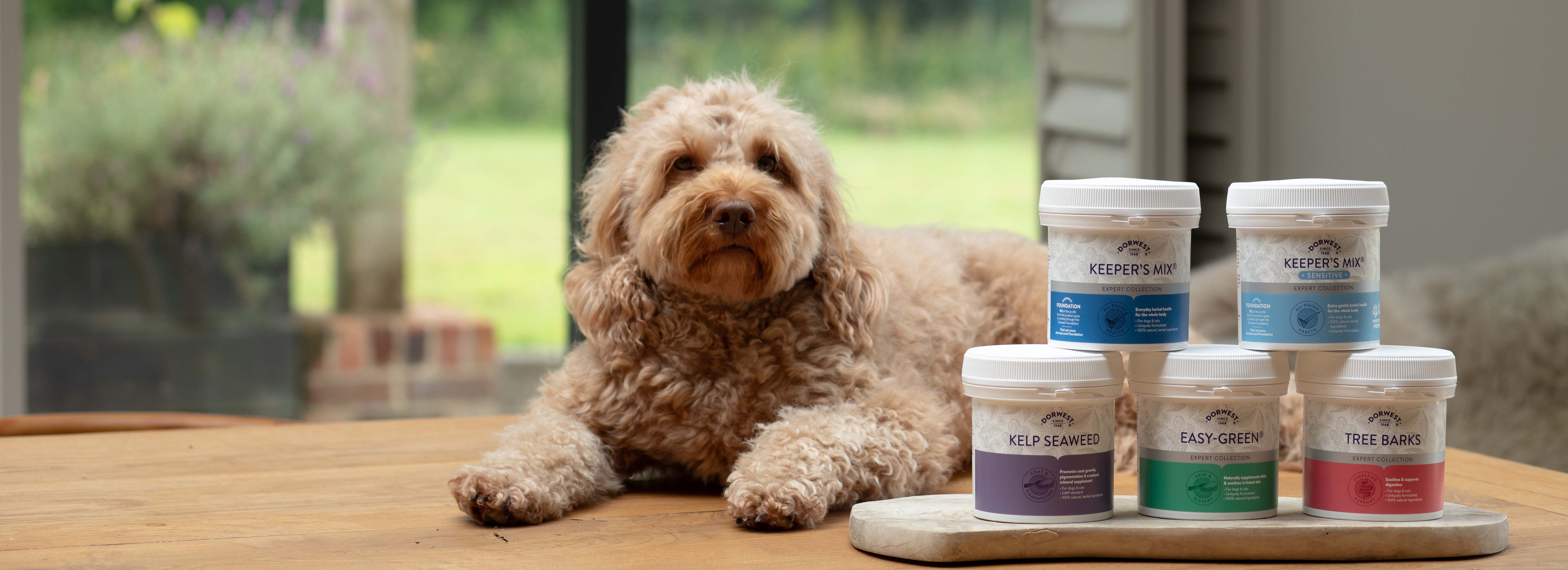
Herbal Supplements
Herbs can be helpful. But quality is non-negotiable. And not all herbs are safe for *every* dog. Do your homework.
- Chasteberry (Vitex): Can help balance hormones. But use with caution.
- Valerian Root: For anxiety and restlessness. A natural calming agent.
- Chamomile: Another calming option. Especially useful for sleep issues.
Lifestyle Changes
Routine is your friend. Regular exercise. Consistent mealtimes. A stable environment.
- Exercise: Keeps them physically and mentally stimulated. Prevents weight gain.
- Mental Enrichment: Puzzle toys. Training sessions. Keeps their mind sharp.
- Stress Reduction: Minimize stressors. Loud noises. Changes in the home.
The Expert's Corner
Vet's Perspective: I've seen owners try all sorts of things. Some work. Some don't. The biggest mistake? Self-diagnosing. I cannot stress this enough: Get a proper diagnosis from your veterinarian. Rule out other potential health issues first. Then, we can work together on a safe, effective plan.
Pro-Tip: Keep a journal. Track your dog's symptoms. Note any changes you observe. This will be invaluable information for your vet.
When to See a Vet
If symptoms are severe. Or if you notice anything unusual. Don't wait. Get them checked out. Ataxia? Vomiting? Seek immediate care.