

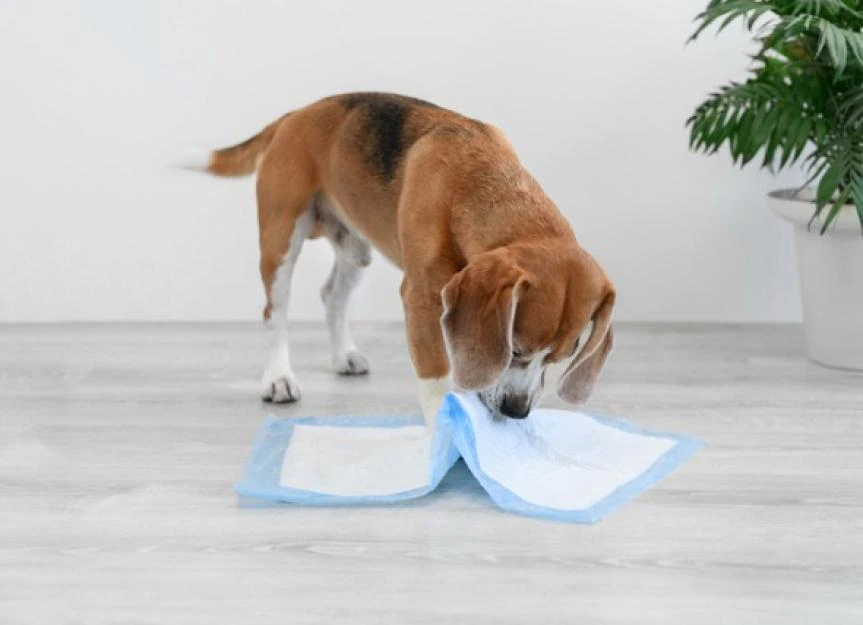
My Puppy Has Diarrhea! A Vet's Guide to Causes, Care, and When to Worry
Here's a fact that might surprise you: that cute puppy's gut microbiome is far more sensitive than an adult dog's. A single dropped crumb of human food could trigger a cascade of digestive upset. So, if your new puppy is experiencing diarrhea, you're not alone.
Busy Owner Summary: Puppy diarrhea is common, but can quickly become dangerous. Monitor your puppy for lethargy, vomiting, or blood in their stool. Contact your veterinarian immediately if you notice these signs or if the diarrhea persists for more than 24 hours.
Why is My Puppy Suddenly Having Diarrhea? Understanding the Causes
Puppy diarrhea can be triggered by various factors, from simple dietary changes to severe viral infections. It's vital to identify the cause to provide appropriate treatment. This is because a puppy's immune system is still developing, making them more vulnerable to infections and dietary indiscretions. This is why it is mission-critical to consult a vet.
Think of the gut lining as a dynamic barrier. In puppies, this barrier is more permeable. This increased permeability allows pathogens and inflammatory substances to cross more easily, triggering an immune response and leading to diarrhea. This is often compounded by the fact that puppies have lower levels of secretory IgA, an antibody that protects mucosal surfaces.
The Clinical Perspective (Biological 'Why')
From a clinical perspective, puppy diarrhea often stems from an imbalance in the gut microbiome. This delicate ecosystem of bacteria, viruses, and fungi plays a crucial role in digestion and immunity. When this balance is disrupted by stress, diet changes, or infections, it can lead to inflammation and diarrhea. Viral infections like parvovirus attack the rapidly dividing cells in the intestinal crypts, which are responsible for producing new cells to line the gut. This damage disrupts nutrient absorption and leads to severe diarrhea. In the exam room, I often see cases where well-meaning owners inadvertently cause diarrhea by switching their puppy's food too quickly.
Home-Care Hacks (Low-cost, practical tips)
If your puppy has mild diarrhea and is otherwise acting normally, you can try a few home-care hacks. Offer small, frequent meals of a bland diet like boiled chicken and rice. Make sure your puppy stays hydrated by providing fresh water at all times. A small amount of plain, unsweetened pumpkin puree can also help to firm up the stool. However, never administer over-the-counter medications without consulting your veterinarian, as some can be toxic to puppies.
The Red Flag Checklist (When to panic vs. when to wait)
It can be difficult to know when puppy diarrhea is a true emergency. If any of these signs are noted, take your dog to a veterinarian immediately for evaluation:
- Large amounts of bright red blood or black stool
- Liquid diarrhea
- Vomiting more than once
- Lethargy
- Not eating
- Not drinking
- Weakness/collapse
- Coughing/sneezing/eye or nasal discharge
- Tremors or seizures
Decoding Your Puppy's Poop: What Do Different Types of Diarrhea Mean?
The appearance of your puppy's diarrhea can offer clues about the underlying cause. Soft stool is often a precursor to diarrhea, while bloody diarrhea can indicate inflammation or infection. Mucus in the stool is common with inflammation, and yellow diarrhea can suggest hypermotility. However, it's mission-critical to remember that these are just clues, and a definitive diagnosis requires veterinary examination.
The color and consistency of diarrhea are influenced by several factors. For example, bright red blood usually indicates bleeding in the lower intestinal tract, while black, tarry stool suggests bleeding higher up in the digestive system. Yellow diarrhea is often associated with rapid transit time, meaning the food is moving through the intestines too quickly for proper nutrient absorption.
What Does Soft Stool Indicate?
Soft stool in puppies is common and often a precursor to diarrhea. If the soft stool doesn’t have any blood, and your puppy is still active, eating well, and not vomiting, there’s probably no need to rush them to a veterinarian. However, it's still a good idea to contact your veterinary office to discuss the signs and get their advice on next steps.
Why is My Puppy's Diarrhea Red (Bloody)?
Bloody diarrhea in puppies can be alarming, but it doesn't always indicate a dire situation. Sometimes it’s a sign of a concerning medical condition, though it’s often a sign of colonic inflammation. Bloody diarrhea can be caused by something they should not have eaten, intestinal parasites, or more concerning things such as parvovirus or E. coli infection. If there is only a slight amount of bright red blood in soft stool, then there’s no need to be frightened. Simply call your veterinarian and discuss what you see.
What Does Diarrhea With Mucus Mean?
Mucus is often seen in puppy diarrhea, no matter the condition, and this is due to inflammation of the colon walls. A little mucus is nothing to be concerned about, but if you also see other worrisome signs, bring your puppy to a veterinarian for evaluation. Colonic inflammation increases mucus production as goblet cells in the colon lining release more mucus to protect the inflamed tissue. This is a non-specific response that can occur with various causes of diarrhea.
Why is My Puppy Vomiting and Has Diarrhea?
Puppies can have diarrhea with vomiting from any of the medical conditions mentioned. Vomiting usually happens once inflammation has affected the stomach and upper small intestines. Diarrhea itself can lead to dehydration, but along with vomiting, it can quickly lead to potentially fatal dehydration. So if your puppy starts to vomit and has diarrhea, get them to the vet or emergency vet as soon as possible.
What Does Yellow Diarrhea Mean?
Yellow diarrhea can indicate increased movement in the intestines (termed hypermotility) due to inflammation. This coloration of feces can be noted in any of the previously mentioned medical conditions. The feces can also appear yellow if you’re feeding your puppy chicken and rice to help with belly upset. Always talk to your veterinarian if you have any concerns about your puppy’s feces.
What are the Main Causes of Puppy Diarrhea?
Puppy diarrhea has a wide range of causes. Bacterial and viral infections are common culprits, as are internal parasites. Stress, food changes, and toxin ingestion can also trigger diarrhea. Understanding these causes is the first step in getting your puppy back on the path to health. Honestly, it's like detective work sometimes, piecing together the clues to figure out what's going on.
The underlying mechanisms behind these causes vary. For example, bacterial infections disrupt the balance of the gut microbiome, while viral infections damage the intestinal lining. Internal parasites can cause inflammation and malabsorption, and toxins can directly irritate the digestive tract. Stress can trigger the release of cortisol, which can affect gut motility and permeability.
Bacterial Infections: A Common Culprit
Young animals do not yet have fully formed immune systems to help them fight off dangerous bacteria such as E. coli, Salmonella, or Clostridium. Salmonella infections are most commonly caused by undercooked meat. E. coli and Clostridium are bacteria normally found in the lower intestines in dogs, but in puppies, they can overgrow and cause severe infections due to compromised immune systems.
Viral Infections: A Serious Threat
Puppies require multiple vaccine boosters at different growth milestones. The distemper vaccine helps protect against four viruses that can be fatal if left untreated, or even with aggressive therapy. These viruses are parvovirus, distemper virus, coronavirus, and adenovirus.
Internal Parasites: The Unseen Enemy
These are commonly known as “worms” to most pet parents and include roundworms, hookworms, whipworms, tapeworms, Giardia, and Coccidia. These worms are highly contagious between dogs—especially those that are immunocompromised, such as puppies. All of these parasites live in or pass through the gastrointestinal tract during their life cycle, leading to diarrhea, weight loss, vomiting, and sometimes lethargy. Puppies can also have dull hair coats and swollen bellies if they have a lot of intestinal parasites.
Stress: The Gut-Brain Connection
Anxiety, fear, and stress can lead to inflammation of the colon (colitis), which can cause belly upset, diarrhea, or vomiting. You may notice that when you’re away from your puppy for long periods of time, or they go through a stressful event such as a vet visit or an unexpected car ride, their stool becomes soft or even liquid in consistency. It’s similar to irritable bowel syndrome in humans, which has been shown to have a stress-related component.
Dietary Changes and Food Intolerance: When Food Turns Foe
Abrupt changes in diet, such as starting a new food or adding a new treat, can cause diarrhea in puppies. Puppies thrive on routine, and their gastrointestinal tracts follow this same rule. It’s best to make slow transitions over a week’s time when switching to new diets. You can also add small amounts of one particular treat at a time to assess for any belly upset before moving on to different foods.
Toxin or Foreign Body Ingestion: The Perils of Puppy Curiosity
Puppies are constantly sniffing and licking the floor or ground and putting almost everything in their mouths to chew on. This puts them at a higher risk for toxin and foreign body ingestion. Smaller foreign objects will often pass through, and the belly upset is controlled with oral medications such as anti-emetics, metronidazole, and probiotics. Larger foreign objects may require either endoscopic removal from the stomach or abdominal exploratory surgery to fully remove the cause.
How Will a Vet Diagnose The Cause of My Puppy's Diarrhea?
Diagnosing the cause of puppy diarrhea involves a thorough examination and diagnostic testing. Your veterinarian will start by asking about your puppy's history and symptoms. They may also perform fecal tests to check for parasites and bacterial overgrowth, bloodwork to assess overall health, and imaging to rule out obstructions or intussusception. I always tell my clients that diagnostics are mission-critical because they guide treatment.
Each diagnostic test provides different information. Fecal tests can identify parasites and bacterial imbalances. Bloodwork can reveal signs of infection, inflammation, or organ dysfunction. X-rays can detect foreign bodies or intestinal blockages, while ultrasound can provide more detailed images of the abdominal organs.
What are the Treatment Options for Puppy Diarrhea?
Treatment for puppy diarrhea depends on the underlying cause. Bacterial infections are treated with antibiotics, while viral infections require supportive care to manage symptoms. Internal parasites are addressed with anti-parasitic medications, and stress-related diarrhea may benefit from anti-diarrheal medications and probiotics. In cases of dietary indiscretion or food intolerance, a bland or novel protein diet is often recommended.
Supportive care is a cornerstone of treatment for puppy diarrhea. This includes providing intravenous fluids to correct dehydration and electrolyte imbalances. Anti-emetic medications can help to control vomiting, and probiotics can help to restore the balance of the gut microbiome.