

Is Your Older Dog Having Accidents? A Vet's Guide to the Umbilical Cord Method
Here's a counter-intuitive fact I tell my clients all the time: dogs don't 'forget' house training. Most accidents in older dogs stem from underlying medical issues or anxiety, not a sudden lapse in memory. So, before you assume your dog is being spiteful, consider a vet visit to rule out medical causes.
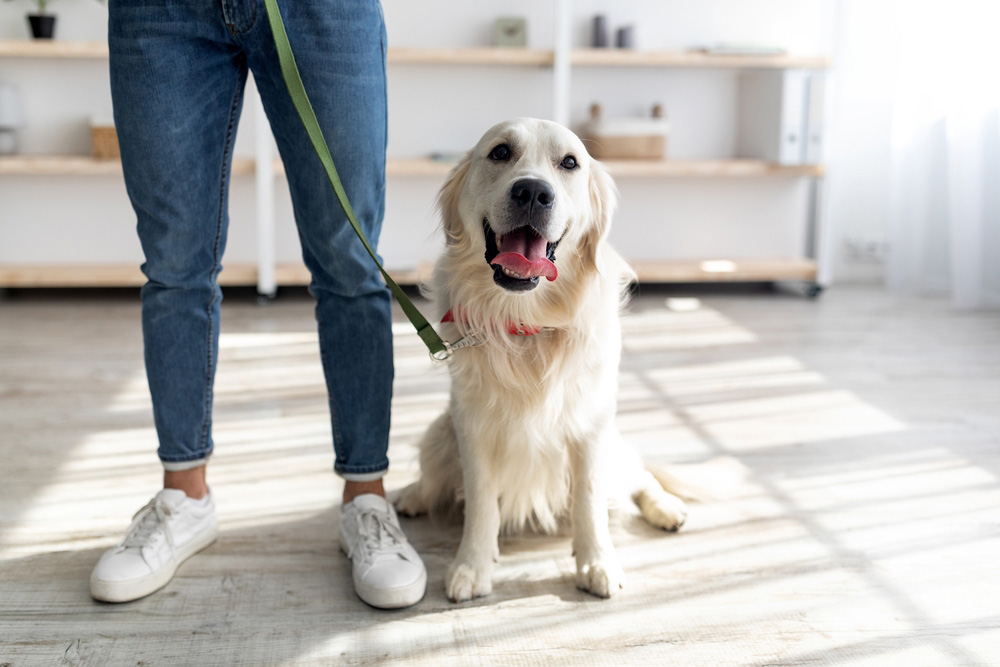
For Busy Owners: The Umbilical Cord Method involves keeping your dog tethered to you, indoors, using a leash. This constant supervision allows you to immediately recognize signs they need to potty. When they eliminate outside, reward them lavishly, creating a positive association.
Why is My Adult Dog Suddenly Having Accidents? Understanding House Training Regression
House-training regression in adult dogs can be frustrating. However, it's often a sign of an underlying issue, not just a behavioral problem. The umbilical cord method can help re-establish good habits, but addressing the root cause is mission-critical. It allows for constant monitoring and immediate response to potty cues.
From a clinical perspective, several factors can contribute to this regression. One common culprit is age-related cognitive decline, similar to dementia in humans. This decline can disrupt established neural pathways related to bladder and bowel control. The buildup of beta-amyloid plaques in the brain interferes with normal cognitive function, leading to confusion and disorientation, which manifests as accidents. Other medical conditions, like diabetes or Cushing's disease, cause increased thirst and urination, overwhelming the dog's ability to 'hold it'. Even stress can play a huge part. A new baby, a house move, or even a change in your work schedule can trigger anxiety, leading to accidents.
The Clinical Perspective (Biological 'Why')
Let's talk details. Incontinence in older female dogs is frequently linked to estrogen depletion after spaying. Estrogen plays a role in maintaining the tone of the urethral sphincter. When estrogen levels drop, the sphincter weakens, leading to urine leakage, especially when the dog is relaxed or sleeping. Another common cause is a urinary tract infection (UTI). The inflammation and irritation caused by the infection can make it difficult for the dog to control their bladder. You'll often see increased frequency of urination, straining to urinate, and blood in the urine (hematuria). In male dogs, prostate issues are a frequent cause of house-training problems. An enlarged prostate (benign prostatic hyperplasia or BPH) can put pressure on the urethra, leading to difficulty urinating and increased frequency. Prostate infections (prostatitis) can also cause similar symptoms.
Home-Care Hacks for a Dog with House Training Regression
- Frequent Potty Breaks: Take your dog out every 2-3 hours, especially after meals and naps.
- Designated Potty Spot: Choose a specific area in your yard for your dog to eliminate. The scent will encourage them to go.
- Belly Bands (for Males): These can help manage dribbling and prevent marking inside the house.
- Water Management: While it's mission-critical to avoid restricting water intake (which can lead to dehydration), you can adjust the timing. Offer most water earlier in the day and limit it a few hours before bedtime.
The Red Flag Checklist: When to See a Vet
- Increased Thirst: This could indicate diabetes, kidney disease, or Cushing's.
- Straining to Urinate: This could signify a urinary tract infection, bladder stones, or a prostate problem.
- Blood in the Urine: Always a red flag; needs immediate veterinary attention.
- Lethargy or Loss of Appetite: These could indicate a serious underlying illness.
- Sudden Onset of Incontinence: Especially if accompanied by other symptoms, warrants a vet visit.
How Does the Umbilical Cord Method Work to Stop Indoor Accidents?
The umbilical cord method isn't about punishment; it's about creating a learning environment where you can reward the correct behavior. The constant physical connection facilitates immediate feedback and prevents 'stealth' accidents. It's a short-term strategy to re-establish good habits.
Think of it this way: dogs learn through association. By keeping your dog close, you're able to immediately recognize the pre-potty cues – the circling, the sniffing, the sudden urgency. This allows you to whisk them outside *before* the accident happens. When they eliminate outside, you shower them with praise and high-value treats. This creates a strong positive association between going potty outside and receiving a reward. Over time, they learn that eliminating outside is the desired behavior. The constant supervision also prevents them from sneaking off to pee in a hidden corner. This is mission-critical because every accident inside reinforces the undesirable behavior. By preventing accidents, you're breaking the cycle of bad habits.
1. Establish a Consistent Potty Routine.
Dogs thrive on routine. Feeding, walks, and potty breaks should happen at the same times each day. This helps regulate their digestive system and bladder function. It also reduces anxiety by creating a predictable environment. A consistent schedule helps regulate hormone release, including cortisol (the stress hormone). High cortisol levels can disrupt normal bladder function and increase the likelihood of accidents.
2. Introduce the Collar and Leash (If Needed).
If your dog isn't used to wearing a collar and leash indoors, start slowly. Let them wear the collar for short periods, gradually increasing the time. Reward them with treats and praise to create a positive association. The goal is to make them comfortable with the collar and leash before you start the umbilical cord method. A comfortable dog is less likely to resist the training process.
3. Attach the Leash to Yourself.
Use a lightweight, 6-foot leash. Attach one end to your dog's collar and the other to your belt loop or wrist. The leash should be long enough to allow your dog to move around comfortably but short enough to keep them within your line of sight. Avoid attaching the leash to your ankle, as this could be dangerous if your dog suddenly bolts. The idea here is constant, gentle connection. I tell my clients to think of it as a dance – you're always aware of your partner's movements.
4. Proceed with Your Day as Usual (But with Constant Vigilance).
Go about your normal daily activities, but keep a close eye on your dog. Watch for those pre-potty cues: circling, sniffing, restlessness. The key is to anticipate their needs and get them outside *before* they have an accident. This constant vigilance is tiring, I know. But it's a short-term investment that pays off in the long run.
5. Reward Immediately and Lavishly.
When your dog eliminates outside, praise them enthusiastically and offer a high-value treat – something they absolutely love. The reward should be immediate, within seconds of them finishing. This creates a strong positive association between going potty outside and receiving a reward. I recommend using a specific word or phrase, like "Good potty!", to mark the desired behavior. Consistency is mission-critical here.
6. Be Patient and Consistent.
House-training regression can be frustrating, but patience is key. Don't punish your dog for accidents. Instead, focus on rewarding the desired behavior. Consistency is also important. Follow the umbilical cord method diligently, and your dog will eventually re-learn the rules. Remember, it's not about dominance or control; it's about communication and positive reinforcement.
Final Thoughts: Rebuilding Trust and a Clean Home
The umbilical cord method is a valuable tool for addressing house-training regression in adult dogs. But it's just one piece of the puzzle. Addressing any underlying medical conditions or behavioral issues is equally important. With patience, consistency, and a little bit of detective work, you can help your dog regain control and restore peace to your home.