

Is Your Dog an MDR1 Carrier? Drug Sensitivities, Testing, and Safety
Here's a fact that might make you spill your coffee: many seemingly safe medications can be downright deadly for certain dog breeds. It all boils down to a genetic quirk known as the MDR1 gene mutation. It's more common than most owners realize.
For Busy Owners: The MDR1 gene affects how dogs process certain drugs. A mutation can cause severe reactions to common medications like ivermectin and some sedatives. Testing is available, and knowing your dog's status is crucial for their safety.
Why is My Dog Suddenly Sensitive to Medication? Understanding MDR1 in Dogs
The MDR1 (multidrug resistance 1) gene plays a mission-critical role in protecting your dog's brain and body from toxins. In 2001, it was discovered that some herding breeds have a mutation in this gene, making them ultra-sensitive to certain medications. This mutation affects the P-glycoprotein. It is a key molecule that normally pumps toxins and drugs out of the brain and other sensitive tissues.
The clinical perspective: Think of P-glycoprotein as the bouncer at a very exclusive club (your dog's brain). It decides what gets in and what gets tossed out. When the MDR1 gene is mutated, this bouncer is weakened, and certain drugs slip through the cracks, leading to toxicity. I see this most often with Ivermectin.
How Does the MDR1 Mutation Cause Drug Toxicity in Dogs?
In dogs with a defective MDR1 gene, the all-important P-glycoprotein isn't functioning at 100%. Normally, it prevents medications and toxins from crossing the blood-brain barrier. The blood-brain barrier is a tightly regulated system of cells that protects the brain from harmful substances. The MDR1 mutation compromises this barrier.
When drugs cross into the brain unchecked, they can cause neurological mayhem: seizures, blindness, tremors (shaking like a leaf), ataxia (uncoordinated movement) – the list goes on. What I tell my clients is that it's not just about the brain; the mutation also impairs the body's ability to clear these substances, leading to prolonged drug effects and increased toxicity.
"My Vet Said My Dog Has a MDR1 Mutation": How is the MDR1 Gene Inherited in Dogs?
The MDR1 gene mutation is passed down through the generations. Each dog inherits two copies of the MDR1 gene, one from each parent. If a dog inherits two mutated copies, they'll be highly sensitive to certain drugs. Even inheriting one mutated copy can cause some sensitivity, though usually less severe. It's a genetic lottery, honestly.
From a clinical perspective, if you breed a dog with the MDR1 mutation, you're rolling the dice. Depending on the parents' genetic makeup, some puppies may inherit the mutation, while others may not. Responsible breeders test their dogs to avoid perpetuating this issue. In the exam room, I always stress the importance of knowing the parents' MDR1 status.
Which Dog Breeds are Most Prone to the MDR1 Mutation?
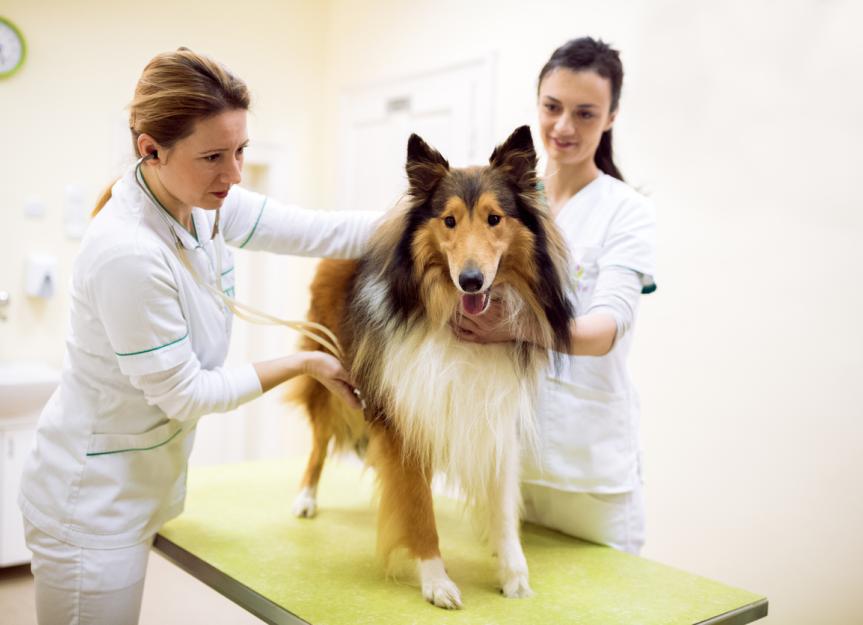
Collies are the poster child for the MDR1 mutation. Roughly 70% of Collies tested carry the gene. Australian Shepherds and Mini Aussies aren't far behind, with about 50% affected. Other breeds, while less commonly affected, can still carry the trait. It is mission-critical to know.
Here's a list of breeds known to be affected:
- Collies
- Australian Shepherds
- Miniature American Shepherds
- Shetland Sheepdogs
- Old English Sheepdogs
- Chinook
- German Shepherds
- Other herding breeds (e.g., Border Collies, Australian Cattle Dogs)
"My Dog Needs Meds": What Medications Should MDR1 Dogs Absolutely Avoid?
Dogs with the MDR1 mutation are walking on thin ice when it comes to certain medications. They're far more likely to experience a toxic reaction. Always, always consult your veterinarian before starting any new medication. It's not just important; it's non-negotiable.
Here's a rundown of medications known to cause problems in MDR1-mutated dogs:
- Ivermectin: This anti-parasite drug is in many heartworm preventatives. At low, FDA-approved doses for monthly use, it's generally safe, even for MDR1 breeds. However, higher doses (used to treat conditions like demodectic mange) are a major no-no. Talk to your vet about the safest heartworm prevention options.
- Loperamide (Imodium): This anti-diarrheal is extremely toxic to MDR1 dogs. It's over-the-counter, but should NEVER be given to dogs at risk.
- Sedatives: Butorphanol and acepromazine can cause toxicity in MDR1 dogs. Vets may use lower doses or avoid them altogether. If your dog needs sedation (fireworks, thunderstorms), discuss alternatives like trazodone.
- Chemotherapy agents: Vincristine and doxorubicin are metabolized differently in MDR1 dogs, leading to increased side effects. Your oncologist will know best.
- Digoxin: This heart drug carries increased toxicity risks in MDR1 dogs.
Remember, every dog is an individual. Even without the MDR1 mutation, sensitivities can occur. If your dog experiences side effects from any medication, contact your vet immediately.
How Can I Determine if My Dog Carries the MDR1 Gene Mutation?
Genetic testing is readily available to determine if your dog has the mutated MDR1 gene. It's a simple blood test that can be done at your vet's office or through a mail-in kit. More options now than ever.
The clinical perspective: I strongly recommend MDR1 testing for at-risk breeds. It gives you and your vet the information needed to make informed decisions about medication choices. If you do independent testing, be sure to share the results with your vet so they can keep your pet’s medical record up to date.
Home-Care Hacks (Low-cost, practical tips)
1. Know your dog's MDR1 status: If you have a breed at risk, get them tested. It's the single most effective thing you can do.
2. Medication list: Keep a detailed list of all medications your dog is taking, including over-the-counter drugs and supplements. Share this list with every vet you see.
3. Question everything: Before starting any new medication, ask your vet about potential risks for MDR1 dogs. Don't be afraid to be a cautious, informed advocate for your pet.
The Red Flag Checklist (When to panic vs. when to wait)
Contact your vet IMMEDIATELY if your dog shows any of these signs after receiving medication:
- Severe lethargy or weakness
- Uncoordinated movements (ataxia)
- Tremors or seizures
- Excessive drooling
- Vomiting or diarrhea
- Blindness