

Is Your Dog a Genius? Decoding Canine Intelligence (and How to Test It)
Here's a counter-intuitive fact I share with clients in the exam room: a dog's 'intelligence' isn't a fixed trait like breed or size. It's actually a moving target, shaped more by environment and training than pure genetics. So, while some breeds are predisposed to certain cognitive strengths, nurture trumps nature more than you'd think.
For busy owners, understanding your dog's intelligence boils down to three things. First, smart dogs learn quickly and adapt to new situations. Second, they understand human cues and can even manipulate you (in a cute way!). Finally, you can actually test your dog's IQ with simple games at home.
What Does Dog Intelligence Actually Mean? (The Clinical Perspective)
Dog intelligence isn't a single, measurable entity; it's a complex suite of cognitive abilities. This includes problem-solving skills, communication comprehension, and adaptive learning. It's how well a dog processes information from its environment to make decisions. Think of it as a combination of innate potential and learned behaviors.
From a clinical perspective, a dog's intelligence reflects the efficiency of its neural pathways. Smarter dogs exhibit faster synaptic transmission and greater neuroplasticity, allowing them to form new connections and adapt to changing stimuli. This neuroplasticity is influenced by factors like early socialization, training methods, and even diet. Deficiencies in omega-3 fatty acids, for example, can impair cognitive function by reducing the fluidity of neuronal membranes. Honestly, it's all pretty fascinating.
Why is My Dog Suddenly Pacing at 2 AM? Understanding Canine Cognitive Decline
If your older dog is suddenly pacing at night, it could be Canine Cognitive Dysfunction (CCD), essentially doggie Alzheimer's. This condition involves a decline in cognitive abilities, affecting memory, learning, and awareness. While pacing can be a symptom of other issues, like pain or anxiety, it's important to consider CCD in senior dogs.
The underlying biological mechanism involves the accumulation of beta-amyloid plaques in the brain, similar to what happens in human Alzheimer's. These plaques disrupt neuronal function and communication, leading to cognitive deficits. Other factors include decreased blood flow to the brain, oxidative stress, and reduced levels of neurotransmitters like dopamine and serotonin. I tell my clients that early detection and management are mission-critical. While we can't cure CCD, we can slow its progression and improve your dog's quality of life. Certain antioxidants and medications, like selegiline, can help protect brain cells and improve cognitive function.
Decoding the Signs of a Smart Dog: Beyond Basic Obedience
Smart dogs exhibit a range of behaviors that go beyond simply following commands. They demonstrate adaptability, problem-solving skills, and a keen understanding of their environment. These signs aren't just about tricks; they reflect a deeper cognitive ability.
They Learn Tricks and Cues Quickly (And Remember Them!)
Rapid learning of tricks and cues indicates a strong ability to form associations and retain information. This is linked to the hippocampus, a brain region crucial for memory consolidation. Dogs with well-developed hippocampi can quickly encode new information and retrieve it later. Training leverages positive reinforcement, stimulating the release of dopamine, which further enhances learning and memory.
They (Cutely) Manipulate You: The Art of Canine Persuasion
When a dog figures out how to use cues to their advantage, it's not just being mischievous; it's demonstrating cognitive flexibility. This involves understanding cause-and-effect relationships and adapting behavior to achieve a desired outcome. For example, the classic "empty bowl" trick relies on the dog's understanding that puppy-dog eyes + an empty bowl = more food. This manipulation involves the prefrontal cortex, the brain region responsible for executive functions like planning and decision-making. Honestly, they're smarter than we give them credit for.
They Can Learn Language Skills: Understanding Human Speech
A dog's ability to learn the names of objects reflects a sophisticated understanding of language. This involves associating specific sounds with specific objects and retrieving those associations on command. Studies have shown that dogs can differentiate between subtle phonetic variations, indicating a refined auditory processing ability. The remarkable Border Collie, Rico, demonstrated an exceptional capacity for vocabulary acquisition, suggesting that some dogs possess an innate aptitude for language learning. The more words they know, the better their ability to understand complex commands and concepts.
They Understand Human Gestures and Social Cues: Reading Between the Lines
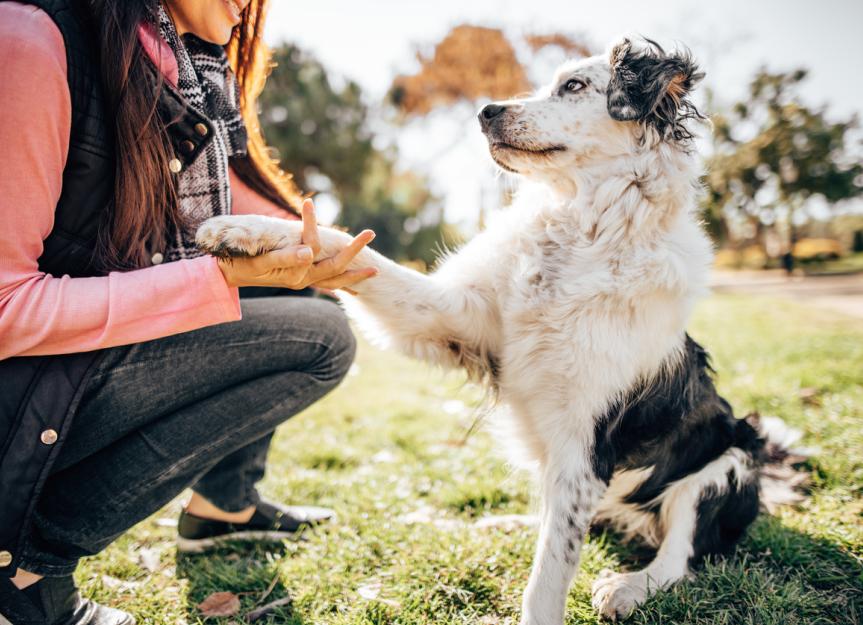
Dogs' ability to interpret human gestures and social cues is a testament to their long history of co-evolution with humans. This involves understanding nonverbal communication, such as pointing, gazing, and body language. This skill relies on the amygdala, which processes emotions and social signals. Dogs can even detect subtle changes in human facial expressions, allowing them to gauge our mood and adjust their behavior accordingly. This sensitivity to social cues enables dogs to form strong bonds with their human companions.
They Easily Figure Out Spatial Problems: Navigating the World
A dog's spatial perception allows it to navigate its environment efficiently and solve spatial problems. This involves understanding the relationships between objects in space and using that knowledge to find desired locations. Dogs rely on their sense of smell and their memory of landmarks to create mental maps of their surroundings. They can also extrapolate from past experiences to find new routes, demonstrating a remarkable capacity for spatial reasoning. It's why they can always find their way back to their favorite spot on the couch.
They Feel Emotions: More Than Just Tail Wags
The emotional lives of dogs are more complex than we once thought. While they may not experience the full range of human emotions, they certainly feel joy, fear, anger, and even jealousy. These emotions are mediated by the limbic system, a brain region shared by humans and dogs. Hormones like oxytocin play a crucial role in social bonding and attachment. Research suggests that dogs also exhibit empathy, responding to the emotions of others with comfort and support. This emotional depth is what makes dogs such cherished companions.
What Are the Smartest Dog Breeds? (The Usual Suspects)
While individual intelligence varies, certain breeds are consistently ranked as being highly intelligent. These breeds often excel in training and problem-solving tasks. However, it's important to remember that breed is just one factor; individual personality and training play a significant role. Here's the deal: don't assume a breed is "dumb" - they may just be stubborn!
- Border Collies
- Poodles
- German Shepherds
- Golden Retrievers
- Doberman Pinchers
- Shetland Sheepdogs
- Labrador Retrievers
How To Test Your Dog’s IQ: At-Home Brain Games
Want to put your dog's intelligence to the test? You can perform simple at-home tests to gauge your pet's cognitive abilities. These tests aren't scientifically validated, but they can provide insights into your dog's problem-solving skills and memory.
- Puzzle toys: Offer a toy that must be handled in a certain way to release a treat.
- Blanket escape: Test how long it takes your dog to remove himself from a blanket thrown over his head.
- Teach a new trick: How quickly does he learn to follow a new cue?
- Take out your suitcase: Does your dog’s behavior or mood change?
- Treat trick: Hide a treat under a cup while your dog is watching.
- Name knowledge: Call out random words that have no meaning to a dog.
Home-Care Hacks: Boosting Brainpower on a Budget
You don't need expensive gadgets to stimulate your dog's mind. Simple, everyday activities can make a world of difference. Rotate their toys regularly to keep them engaged. Use mealtime as a training opportunity, rewarding them for following commands. Take them on new walking routes to expose them to different sights and smells. And most importantly, spend quality time interacting with them, talking to them, and playing games. These simple acts of engagement can strengthen the bond between you and your dog while keeping their minds sharp.
The Red Flag Checklist: When to Worry About Cognitive Decline
It's crucial to distinguish normal aging from signs of cognitive decline. While some slowing down is expected, watch out for these red flags: disorientation, changes in sleep patterns, loss of house training, decreased social interaction, and persistent anxiety. If you notice any of these symptoms, consult your veterinarian. Early intervention can help manage cognitive decline and improve your dog's quality of life. Remember, you are your dog's advocate.