

Is Your Dog Untrainable? Understanding Stubborn Breeds and Training Solutions
Here's a truth bomb I often drop in the exam room: intelligence and trainability are NOT the same thing in dogs. I've seen brilliant border collies who refuse to heel, and 'dumb' golden retrievers who ace obedience class. The key? Understanding breed-specific quirks.
For Busy Owners: Some dog breeds are inherently more challenging to train due to their independence and strong instincts. Patience, positive reinforcement, and professional help are crucial for success. Understanding your dog's breed-specific tendencies is key to effective training.
What Makes Some Dogs So Difficult to Train? (Understanding Dog Breed Temperament)
Difficult-to-train dogs often possess a strong independent streak, prioritizing their own agenda over your commands. They are easily distracted by environmental stimuli like scents or other animals, hindering their focus during training. This isn't necessarily a reflection of low intelligence; rather, it's often a matter of differing priorities dictated by their breeding and inherent drives. Think of it as a battle between your training cues and their evolutionary programming.
From a clinical perspective, this behavior often stems from deeply ingrained instincts. For example, scent hounds like Beagles and Bloodhounds have an incredibly developed olfactory system, with up to 300 million olfactory receptors compared to our measly 6 million. This heightened sense of smell drives their behavior, making it nearly impossible to resist following an interesting scent, regardless of your commands. Similarly, guardian breeds like Akitas and Shar-Peis exhibit a strong protective instinct, constantly scanning their environment for potential threats, which can make them appear aloof and disinterested in training.
The Clinical Perspective (Biological 'Why')
The underlying biology plays a huge role. Certain breeds have higher levels of specific hormones or neurotransmitters that influence their behavior. For example, dogs with a strong prey drive, like Jack Russell Terriers and Afghan Hounds, often have elevated levels of dopamine when they detect prey, creating an intense focus that overrides their ability to listen to commands. This is further complicated by breed-specific variations in brain structure and function, affecting their ability to process and respond to training cues.
Top 13 Dog Breeds That Are Hard to Train (And Why)
Alright, let's get down to brass tacks. Here's a rundown of some of the breeds that often leave owners tearing their hair out, and honestly, sometimes leave *me* reaching for the stress ball. I'll tell you why they're difficult, and what you can do about it.
1. Basenji: The "Barkless Dog" with a Mind of Its Own
The Basenji, originating from Africa, is known for its unique yodeling sound instead of a bark. These dogs are energetic and curious, making it hard for them to focus on training. Their independent nature and penchant for mischief further contribute to their training challenges.
The Basenji's independent nature can be attributed to their original purpose as hunters in the African Congo. They were bred to work independently from their human companions, relying on their own instincts and problem-solving skills to track and hunt prey. This inherent independence makes them less receptive to traditional obedience training methods that rely on a strong desire to please the owner.
2. Beagle: The Scent-Obsessed Wanderer
Beagles are affectionate and great with kids, but their powerful noses often lead them astray. Their love for following scents can make them too preoccupied to focus on training, and their stubbornness can make them resistant to commands. This breed's drive to follow interesting smells often overrides the need to obey commands.
The Beagle's exceptional sense of smell is directly linked to the structure and function of their olfactory system. They possess a significantly higher number of olfactory receptor cells compared to many other breeds, allowing them to detect and differentiate a wider range of scents. This heightened olfactory sensitivity, coupled with their innate drive to hunt, makes them particularly challenging to train in environments with enticing smells.
3. Shar-Pei: The Wrinkled and Wary Protector
Shar-Peis are loyal to their families but wary of strangers, making early socialization crucial. Their independent nature often leads them to prioritize their own desires over following orders. Their independence makes them prefer to do their own thing instead of learning new tricks.
The Shar-Pei's independent nature and wariness of strangers are likely rooted in their history as guard dogs in ancient China. They were bred to protect their owners and property, which required a strong sense of independence and a cautious approach to unfamiliar people and situations. This ingrained protectiveness can manifest as stubbornness and resistance to training, particularly when strangers are involved.
4. Shiba Inu: The Fox-Like Independent Spirit
Shiba Inus are attractive and affectionate with family but fiercely independent. Their dislike for following orders requires patience and consistency in training. Their independence and alertness make them a great watchdog, but it takes patience to train them.
The Shiba Inu's independent spirit can be traced back to their origins as hunting dogs in the mountainous regions of Japan. They were bred to work independently, tracking and hunting game in challenging terrain. This inherent self-reliance makes them less inclined to follow commands blindly and more likely to question the purpose of training exercises.
5. American Akita: The Imposing and Protective Giant
Akitas are friendly with family but wary of strangers, requiring early socialization and consistent training. Their large size and independent nature can make them difficult to manage without proper training. Training this breed can be difficult, so seeking professional assistance can be a good idea.
The Akita's imposing size and protective instincts stem from their history as guard dogs and hunters in Japan. They were bred to be fearless protectors of their families and property, which required a strong sense of independence and a willingness to confront potential threats. This inherent protectiveness can manifest as aggression towards strangers and other animals, making early socialization and consistent training essential.
6. Alaskan Malamute: The Sled Dog with a Wanderlust
Alaskan Malamutes are dignified and enjoy snuggling, but their independent nature often leads them on unsupervised adventures. They require a strong leader and experienced owner to manage their independent tendencies. These dogs require a strong leader, so they are better for an experienced owner or one who will get their pet professionally trained.
The Alaskan Malamute's independent nature and wanderlust are deeply rooted in their history as sled dogs in the Arctic. They were bred to pull heavy loads over long distances, often working independently from their human handlers. This inherent self-reliance and endurance make them prone to wandering off in search of adventure, requiring a secure environment and consistent training to prevent escapes.
7. Basset Hound: The Laid-Back Lounger with Selective Hearing
Basset Hounds are relaxed and great with children, but their laid-back personality can make them resistant to training. Their stubbornness and tendency to ignore commands can frustrate even the most patient owners. It can be hard to get them to do something when they don’t want to do it.
The Basset Hound's relaxed personality and selective hearing can be attributed to their history as scent hounds. They were bred to follow scents at a slow and deliberate pace, often ignoring distractions and focusing solely on the task at hand. This inherent focus on scent, coupled with their laid-back temperament, can make them appear stubborn and resistant to training, particularly when the training exercises interfere with their pursuit of interesting smells.
8. Bloodhound: The Scent-Driven Detective
Bloodhounds are gentle and have an amazing sense of smell, but their focus on scents can make them oblivious to commands. Their determination to follow a scent can override any training, making them difficult to control when they pick up a trail. They will often wander off to pursue it, even pulling you off the trail with them, with no regard for your commands or orders.
The Bloodhound's unparalleled sense of smell is a result of their highly specialized olfactory system. They possess the largest number of olfactory receptor cells of any dog breed, allowing them to detect and differentiate even the faintest of scents. This exceptional olfactory sensitivity, coupled with their innate drive to track, makes them particularly challenging to train in environments with enticing smells.
9. Dachshund: The Energetic Sniffer with a Willful Streak
Dachshunds are great family dogs with plenty of energy, but their willful personality and love for sniffing can hinder training. Their desire to sniff and play can often override their willingness to learn new tricks. However, their wilful personality and desire to sniff and play over learn can often make them difficult to train for new pet owners.
The Dachshund's willful personality and love for sniffing are rooted in their history as badger hunters in Germany. They were bred to be independent and tenacious, willing to pursue badgers into their underground dens. This inherent independence and drive to hunt make them less receptive to traditional obedience training methods that rely on a strong desire to please the owner.
10. Jack Russell Terrier: The Tireless Ball of Energy
Jack Russell Terriers are friendly and playful, but their endless energy and high prey drive can make them difficult to train. Their high prey drive will often ignore your commands when they can see or smell another animal. They have a high prey drive so will often ignore your commands when they can see or smell another animal.
The Jack Russell Terrier's boundless energy and high prey drive are a result of their history as fox hunters in England. They were bred to be tireless and tenacious, willing to pursue foxes into their underground dens. This inherent drive to hunt, coupled with their high energy levels, makes them particularly challenging to train in environments with potential prey animals.
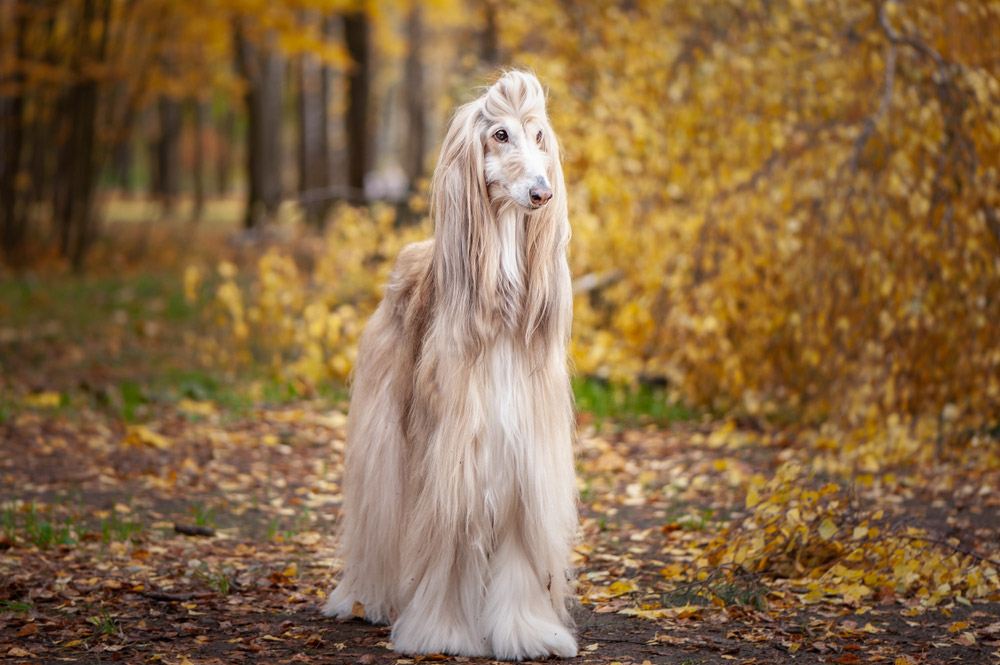
11. Afghan Hound: The Elegant Runner with a Mind of Their Own
Afghan Hounds are impressive and energetic, but their independence and strong prey drive can make training a challenge. Their strong independence can keep them from being interested in your training routines, and their strong prey drive can cause them to start chasing another animal suddenly and without notice.
The Afghan Hound's independent nature and strong prey drive are deeply rooted in their history as hunting dogs in the mountainous regions of Afghanistan. They were bred to hunt independently, relying on their own instincts and problem-solving skills to track and pursue prey. This inherent self-reliance and hunting drive make them less receptive to traditional obedience training methods that rely on a strong desire to please the owner.
12. Japanese Akita Inu: The Aloof and Ancient Watchdog
Japanese Akita Inus are fantastic watchdogs, but their aloof personalities and lack of affection can make them difficult to train. They are large and not that affectionate toward people or other animals and can be difficult to train due to their aloof personalities.
The Japanese Akita Inu's aloof personality and lack of affection stem from their history as guard dogs and hunters in Japan. They were bred to be independent and self-reliant, willing to protect their owners and property without seeking constant reassurance or affection. This inherent independence and protectiveness can manifest as aloofness and resistance to training, particularly when strangers are involved.
13. Pekingese: The Lion-Like Lapdog with a Keen Eye
Pekingese are affectionate lapdogs, but their focus on their surroundings can make them easily distracted during training. While these dogs are extremely affectionate and enjoy being around family members, they tend to spend most of their time focused on what’s going on outside, which can make it difficult for pet owners to train them.
The Pekingese's focus on their surroundings can be attributed to their history as companion dogs to Chinese royalty. They were bred to be alert and vigilant, constantly monitoring their environment for potential threats. This inherent vigilance can make them easily distracted during training, as they are more interested in observing their surroundings than focusing on the task at hand.
Home-Care Hacks (Low-Cost, Practical Tips)
- Short, Sweet Sessions: Keep training sessions brief (5-10 minutes) to maintain your dog's attention.
- High-Value Rewards: Use treats your dog goes crazy for. Think tiny pieces of cooked chicken or cheese.
- Positive Reinforcement: Focus on rewarding good behavior instead of punishing mistakes.
- Consistency is Key: Use the same commands and hand signals every time.
- End on a High Note: Always finish with a command your dog knows well, so they feel successful.
The Red Flag Checklist (When to Panic vs. When to Wait)
- Aggression: If your dog is showing aggression towards you or others, seek professional help immediately.
- Sudden Change in Behavior: If your dog suddenly becomes more difficult to train, consult with your vet to rule out any underlying medical conditions.
- Frustration: If you're feeling overwhelmed or frustrated, don't hesitate to reach out to a professional trainer or behaviorist.
Tips for Teaching a Hard-to-Train Dog
- Patience and a positive attitude are mission-critical for success.
- Positive reinforcement with treats and praise keeps your pet interested.
- Train in a controlled environment to minimize distractions.
- Maintain a consistent training schedule.
- Don't hesitate to contact a professional trainer or veterinarian.