

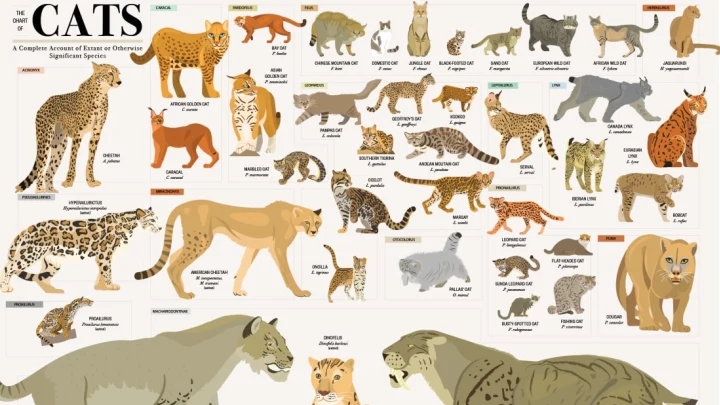
How Many Species of Cats Are There? Unveiling the Feline Family Tree
Ever wondered just how many different kinds of cats there are in the world? It's a fascinating question! We all know and love our domestic companions, but the feline family extends far beyond our living rooms. Let's dive into the captivating world of cat species and explore their incredible diversity.
Quick Answer: There are around 40 recognized species of cats worldwide. These include everything from the common domestic cat to lions, tigers, and other wild cats, each adapted to different environments and possessing unique characteristics. The feline family is surprisingly diverse!
Understanding Cat Classification and Different Types of Cats
To understand the number of cat species, it's helpful to know how scientists classify them. Cats belong to the family Felidae, which is then further divided into genera and species. This classification is based on genetic relationships and physical characteristics.
- Genus: A group of closely related species. For example, the genus Panthera includes lions, tigers, jaguars, and leopards.
- Species: A distinct group of cats that can interbreed (though this is more common in captivity).
The classification can change as new genetic information becomes available, so the exact number of species can sometimes be debated among experts.
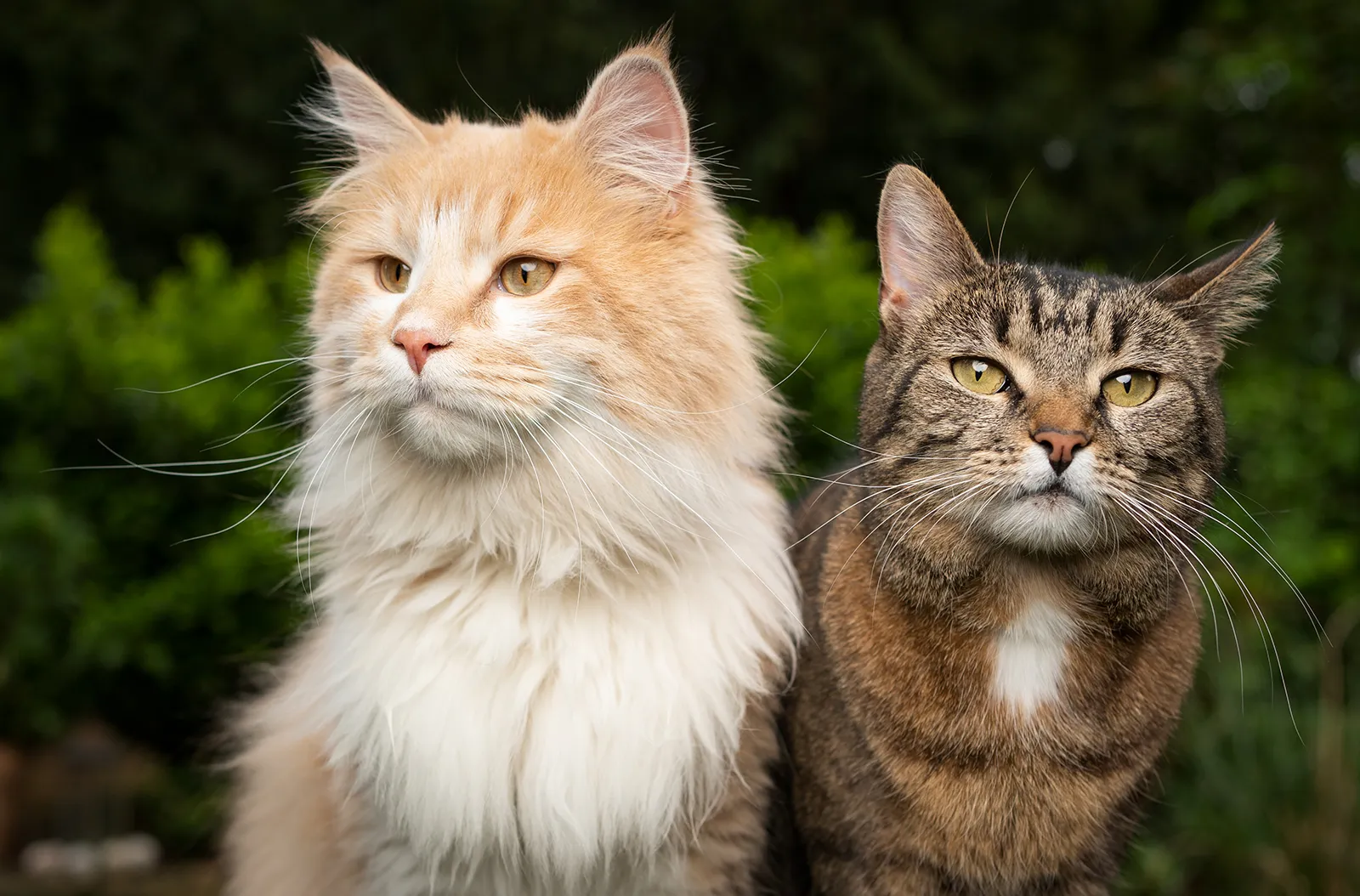
Identifying Cat Species: A Global Overview
While the exact number fluctuates with ongoing research, around 40 cat species are generally recognized. These cats are found on every continent except Antarctica, showcasing their incredible adaptability.
Here are a few examples of diverse cat species:
- Domestic Cat (Felis catus): The most familiar cat, found in homes around the world.
- Lion (Panthera leo): The "king of the jungle," known for its social behavior and powerful roar.
- Tiger (Panthera tigris): The largest cat species, famous for its distinctive stripes.
- Leopard (Panthera pardus): A versatile cat found in Africa and Asia, known for its spotted coat.
- Cheetah (Acinonyx jubatus): The fastest land animal, adapted for sprinting across open grasslands.
- Jaguar (Panthera onca): A powerful cat native to the Americas, known for its spotted coat and strong jaws.
- Snow Leopard (Panthera uncia): An elusive cat found in the high mountains of Central Asia, adapted to cold and rocky environments.
Domestic Cats vs. Wild Cats: What's the Difference?
It's important to distinguish between domestic cats and wild cats. Domestic cats have been selectively bred by humans for thousands of years, resulting in a more docile temperament and a greater variety of coat colors and patterns. Wild cats, on the other hand, have evolved in their natural environments and retain their wild instincts and behaviors.
Vet’s Perspective: Even though domestic cats are far removed from their wild ancestors, they still share many of the same instincts. This is why you might see your house cat stalking prey (even if it's just a toy mouse) or scratching furniture to sharpen its claws.
Factors Influencing Cat Species Diversity
Several factors contribute to the diversity of cat species, including:
- Habitat: Cats have adapted to a wide range of habitats, from dense forests to open grasslands to snowy mountains.
- Diet: Different cat species have different dietary preferences, depending on the availability of prey in their environment.
- Evolutionary History: The evolutionary history of cats has led to the development of distinct lineages and species.
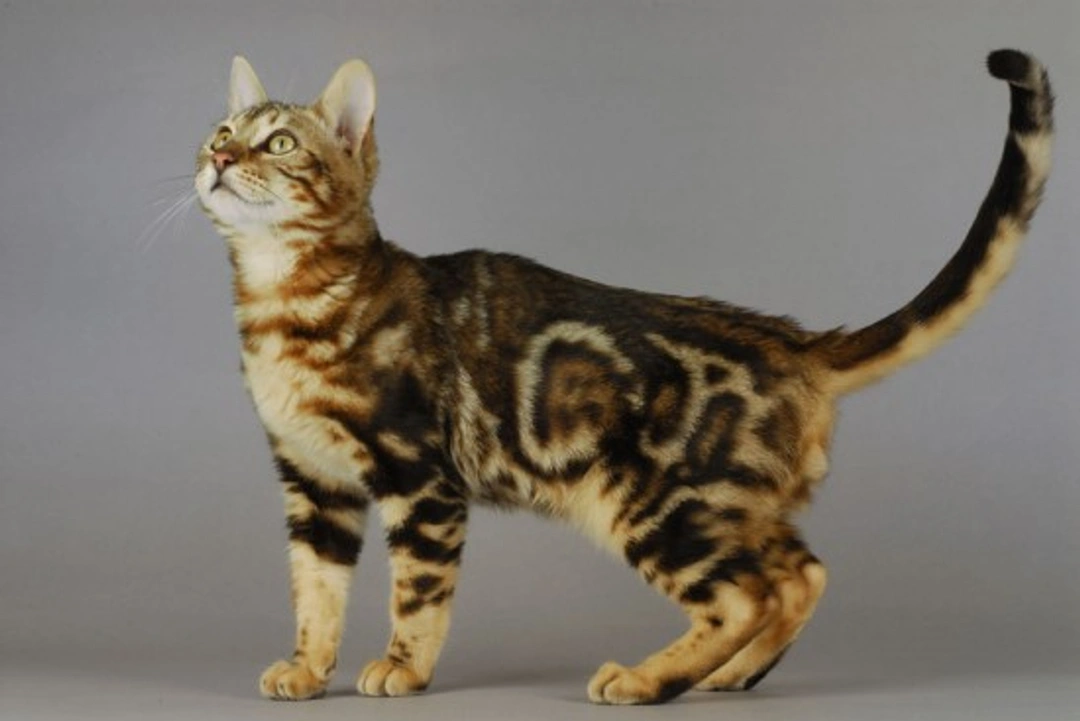
The Expert's Corner
One fascinating area of cat research is the study of their genetics. By analyzing the DNA of different cat species, scientists can learn more about their evolutionary relationships and how they have adapted to different environments. This information can also be used to help conserve endangered cat species.
Pro-Tip: If you're interested in learning more about cat species, consider visiting your local zoo or wildlife sanctuary. You can often see different species of cats up close and learn about their conservation status.
Understanding the diversity of cat species is not just an academic exercise; it also has important implications for conservation efforts. Many cat species are threatened by habitat loss, poaching, and other human activities. By learning more about these animals, we can help protect them and ensure that they continue to thrive in the wild.
So, the next time you see a cat, take a moment to appreciate the incredible diversity of the feline family. From the smallest domestic kitten to the largest wild tiger, cats are truly remarkable creatures.
Next Step: Consider donating to a wildlife conservation organization that supports cat species around the world.