

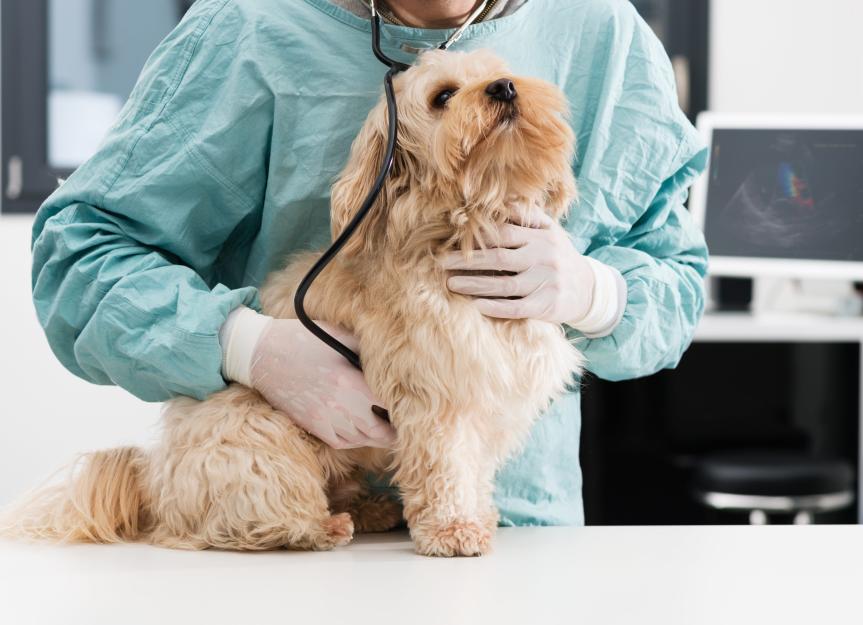
Edema in Dogs: Why Is My Dog Suddenly Swollen?
Here's a hard truth from the exam room: that 'cute' puffiness you're seeing in your dog isn't just extra fluff. It's often a sign that something deeper is amiss. Unlike simple swelling from a bump or bruise, edema signals a systemic imbalance, a red flag your dog's body is waving that demands immediate attention. Don't wait and watch.
For Busy Owners: Edema in dogs is abnormal fluid accumulation, causing swelling. It's usually a sign of underlying disease, such as heart or kidney failure. Prompt veterinary attention is crucial to diagnose and treat the root cause.
What is Edema in Dogs and Why Does it Happen?
Edema isn't just simple swelling; it’s the abnormal buildup of fluid in the spaces between cells throughout the body. This fluid imbalance can occur when too much fluid leaks from blood vessels into tissues or when not enough fluid returns from the tissues back into the blood vessels. Understanding this imbalance is mission-critical, because edema often points to a more significant underlying health issue.
The Clinical Perspective: Think of your dog's circulatory system as a carefully balanced water balloon. The vessel walls are normally impermeable, but edema can occur when changes in vessel wall permeability allow fluid to leak into the interstitial space. This leakage can happen due to increased hydrostatic pressure (like in heart failure) or decreased oncotic pressure (often seen with low blood protein levels). At the cellular level, inflammation triggers the release of vasoactive mediators that cause the blood vessels to become 'leaky'.
What are the Signs and Symptoms of Edema in Dogs?
Edema symptoms can vary widely depending on the location and severity of the fluid accumulation. You might notice localized swelling in a limb, a distended abdomen, or even subtle signs like difficulty breathing. Honestly, recognizing these signs early can make all the difference in your dog's treatment outcome.
If the swelling is limited to one area, like a leg, inflammation is the likely culprit. Generalized puffiness all over the body can indicate low protein levels (hypoproteinemia), excessive sodium intake, or a severe bacterial infection. A swollen abdomen, sometimes resembling a large ball, can stem from fluid accumulation (ascites) or organ enlargement. Difficulty breathing often signals pulmonary edema (fluid in the lungs) or pleural effusion (fluid around the lungs), while neurologic symptoms like seizures suggest cerebral edema (fluid in the brain).
The Clinical Perspective: Pulmonary edema, for example, impairs gas exchange in the alveoli, leading to hypoxemia (low blood oxygen). The body compensates by increasing respiratory rate and effort, resulting in dyspnea (difficulty breathing). In cerebral edema, increased intracranial pressure compresses brain tissue, disrupting neuronal function and causing neurological deficits.
What are the Potential Causes of Edema in Dogs?
Edema isn’t a disease itself, but rather a symptom of an underlying condition. The cause can range from relatively benign inflammation to serious organ failure. Pinpointing the root cause is the non-negotiable first step in effective treatment.
Inflammation-related edema is generally less severe and often resolves once the underlying cause is addressed. However, edema associated with heart disease, liver disease, kidney failure, or cancer is far more serious. Heart disease often leads to fluid accumulation in the lungs and abdomen. Neurologic edema can result from trauma, toxins, or metabolic disorders like diabetes and electrolyte imbalances.
The Clinical Perspective: In heart failure, the heart's inability to pump blood effectively leads to increased pressure in the blood vessels, forcing fluid into the tissues. In kidney disease, impaired kidney function results in sodium and water retention, contributing to edema. Liver disease can lead to decreased production of albumin, a protein that helps maintain fluid balance in the blood vessels, resulting in fluid leakage into the tissues.
How Will the Veterinarian Diagnose the Cause of My Dog's Edema?
Diagnosing edema begins with a comprehensive history and physical exam. The vet will ask about your dog’s symptoms, diet, medications, and any pre-existing conditions. This information, combined with the physical exam findings, will guide further diagnostic testing.
Blood tests (complete blood count, biochemistry profile), urinalysis, and thyroid tests are commonly performed. Fluid aspiration (removing fluid for analysis) from the chest, abdomen, central nervous system, or joints can provide valuable information. X-rays and ultrasound can help visualize internal organs and identify abnormalities. In some cases, advanced imaging like CT scans or MRIs may be necessary.
Home-Care Hacks: While diagnostics are underway, you can support your dog by ensuring they have easy access to fresh water and a comfortable resting place. Avoid excessive sodium in their diet, as this can worsen fluid retention. Keep a detailed record of their symptoms and any changes you observe, as this information can be invaluable to your veterinarian.
What are the Treatment Options for Edema in Dogs?
Treatment for edema is always directed at the underlying cause. For inflammation-related edema, addressing the inflammation with anti-inflammatories is the primary strategy. Edema secondary to organ failure requires a more complex approach.
Heart disease may necessitate an echocardiogram for a definitive diagnosis, followed by medications to support heart function and reduce fluid buildup (diuretics). Cerebral edema may require a CT scan or MRI to identify the cause, followed by antibiotics, anti-inflammatories, anti-seizure medications, and drugs to reduce fluid accumulation.
The Clinical Perspective: Diuretics, such as furosemide, work by increasing urine production, thereby removing excess fluid from the body. However, diuretics can also deplete electrolytes, so careful monitoring is crucial. In cases of cerebral edema, medications like mannitol can be used to draw fluid out of the brain tissue by increasing the osmotic pressure of the blood.
What is the Recovery and Long-Term Management Plan for Edema in Dogs?
The recovery and management of edema depend heavily on the underlying cause and severity. Edema caused by inflammation may resolve quickly with appropriate treatment, while edema secondary to organ failure or affecting the nervous system may require prolonged hospitalization and lifelong management.
Most dogs will require ongoing care and medications at home. Regular veterinary checkups are essential to monitor their condition and adjust treatment as needed. Long-term management may include dietary modifications, exercise restrictions, and continued medication.
The Red Flag Checklist: Seek immediate veterinary attention if your dog experiences difficulty breathing, severe abdominal distension, neurological symptoms (seizures, weakness, incoordination), or sudden collapse. These signs indicate a critical situation that requires prompt intervention.
Home-Care Hacks: Minimize stress and provide a calm environment. Follow your veterinarian’s instructions carefully regarding medication administration and dietary restrictions. Monitor your dog's weight daily, as sudden weight gain can indicate fluid retention. Keep a close eye on their breathing rate and effort, and report any changes to your veterinarian promptly.
When Should I Worry About My Dog's Edema?
Any edema in dogs, other than that affecting a small area (like a single leg or ear), should be considered serious. Prompt veterinary attention is crucial for diagnosis and treatment. Early intervention can significantly improve your dog's prognosis and quality of life.
The Clinical Perspective: Edema is a sign that the body's normal fluid balance has been disrupted. Ignoring edema can allow the underlying condition to worsen, leading to irreversible organ damage and potentially life-threatening complications. A proactive approach to diagnosis and treatment is essential for ensuring the best possible outcome for your dog.