

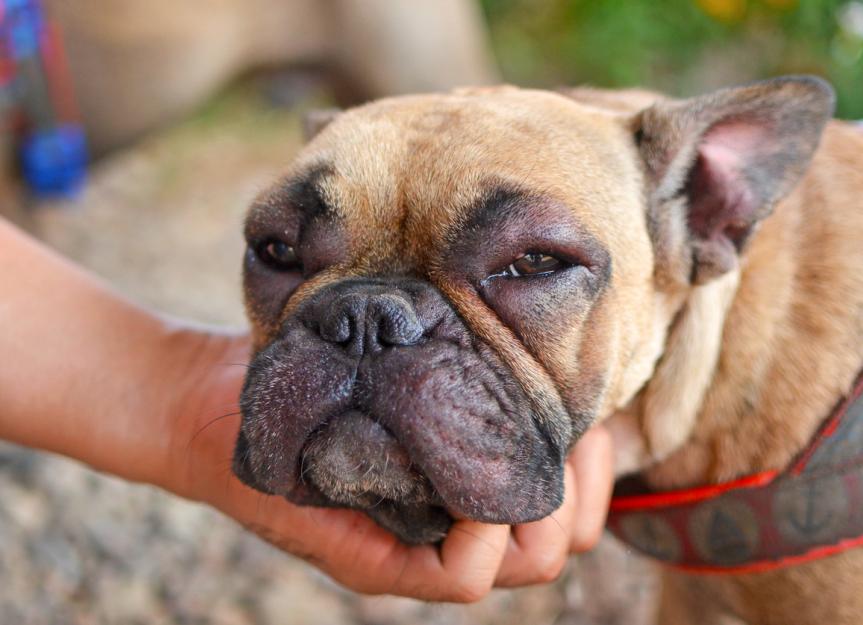
Dog's Face Swollen? Causes, What To Do, and When To Panic
Here's a counter-intuitive fact I tell clients in the exam room: that cute, puffy face might not be allergies – it could be a ticking time bomb. Swelling can rapidly compromise your dog's airway, turning into a full-blown emergency faster than you can Google "Benadryl dose for dogs."
For Busy Owners: Facial swelling in dogs is always cause for concern. It can stem from allergies, dental issues, or even tumors. If you notice sudden puffiness, difficulty breathing, or lethargy, contact your vet *immediately*.
Why is My Dog's Face Swollen? Common Causes Explained
Facial swelling in dogs arises when fluid accumulates within the facial tissues. While allergic reactions are a frequent culprit, the underlying causes are surprisingly diverse, ranging from dental problems to more sinister conditions like tumors. Identifying the root cause is mission-critical to ensure appropriate treatment and prevent potentially life-threatening complications.
Honestly, figuring out *why* your dog's face looks like a balloon animal requires some veterinary detective work. The most common culprits I see in the exam room include:
- Allergies: Just like us, dogs can react to a laundry list of allergens. Think dust mites (those microscopic menaces thriving in your carpets), seasonal pollens that turn the world yellow, specific food ingredients (chicken and beef are common offenders), insect bites (especially bee stings), snake bites (a true emergency), certain medications, and even recent vaccinations. The biological mechanism here involves the release of histamine and other inflammatory mediators from mast cells, leading to vasodilation and fluid leakage into the tissues.
- Dental Disease: Believe it or not, a rotten tooth can cause facial swelling. Periodontal disease, characterized by chronic inflammation and infection of the gums and supporting structures of the teeth, is a major offender. Bacteria invade the tissues, triggering an inflammatory response that manifests as swelling, pain, and sometimes even abscess formation. That infection can track up into the face.
- Abscesses: An abscess is a localized collection of pus, usually caused by a bacterial infection. These can arise from a variety of sources, including penetrating wounds, foreign bodies (like splinters or grass awns), or even infected salivary glands. The body's immune system walls off the infection, creating a pocket of pus that causes swelling, pain, and heat.
- Tumors: Sadly, facial swelling can sometimes be a sign of cancer. Mast cell tumors (a common skin cancer in dogs), oral tumors, and retrobulbar tumors (tumors behind the eye) can all cause facial swelling. Tumor growth can directly compress tissues or trigger an inflammatory response, leading to fluid accumulation. Furthermore, some tumors release factors that promote angiogenesis (new blood vessel formation), further contributing to swelling.
- Trauma: Any injury to the face, such as a blunt force trauma or a bite wound, can cause swelling. Trauma damages blood vessels and tissues, leading to hemorrhage and edema (fluid accumulation).
Dog Facial Swelling: What Symptoms Should I Watch For?
Spotting facial swelling early can make a world of difference. One of the first things I tell owners is to watch your dog’s normal behavior. Is he acting normal? Is she eating? Is he breathing okay? Don’t just focus on the face. The location and accompanying symptoms can provide vital clues.
The location of the swelling itself is a mission-critical clue. Honestly, it’s the first thing I look for in the exam room:
- Swollen Muzzle: If the swelling is concentrated around the muzzle, think dental problems. Look for other signs like red, inflamed gums (gingivitis), that oh-so-lovely doggy breath (halitosis), and pain when you touch the area.
- Swollen Neck/Jaw: Swelling in the neck and jaw area could indicate a sialocele, a collection of saliva that has leaked from a damaged salivary gland.
- Swelling Around the Eye: Puffiness around the eye, often accompanied by redness (conjunctivitis) and watery discharge, suggests allergies or even a retrobulbar issue.
- Generalized Facial Swelling: If the swelling is more widespread, consider allergies, tumors, or even cellulitis (a bacterial infection of the skin and underlying tissues). Hives (raised, itchy bumps on the skin), sneezing, and conjunctivitis often accompany allergic reactions.
Red Flag Checklist: Honestly, here’s what makes me reach for the phone to schedule an immediate appointment:
- Difficulty breathing or noisy breathing (wheezing, stridor)
- Lethargy or weakness
- Drooling excessively
- Pale gums
- Collapse
- Vomiting or diarrhea (especially if accompanied by hives)
These signs indicate a severe allergic reaction (anaphylaxis) or another life-threatening condition requiring immediate veterinary intervention.
How Will the Vet Determine What's Causing My Dog's Face to Swell?
Veterinary diagnosis is a process of elimination. The vet will start with a thorough physical exam, paying close attention to the head and neck. They'll pepper you with questions about your dog's history, including recent exposures to potential allergens, medications, and any recent trauma. Then, they’ll likely recommend some tests.
Diagnostic tests might include:
- Blood Work: A complete blood count (CBC) and serum chemistry profile can help assess your dog's overall health and identify signs of infection, inflammation, or organ dysfunction.
- Allergy Testing: If allergies are suspected, your vet may recommend skin testing or blood testing to identify specific allergens.
- Cytology/Biopsy: If a mass is present, a fine needle aspirate or biopsy may be performed to collect cells for microscopic examination. This helps determine if the mass is cancerous or benign.
- Imaging (X-rays, CT Scan, MRI): Radiographs (X-rays) can help evaluate the teeth, skull, and surrounding tissues. CT scans and MRIs provide more detailed images and are particularly useful for evaluating tumors or other abnormalities in the head and neck.
My Dog Has Facial Swelling: What Are the Treatment Options?
Treatment hinges entirely on the underlying cause. Mild swelling might resolve on its own, but honestly, it’s a gamble to wait and see. Never try to treat at home without speaking to your vet first.
Here's a breakdown of potential treatments:
- Allergic Reactions: Treatment ranges from cold compresses and antihistamines to corticosteroids and epinephrine (for severe anaphylaxis). In severe cases, intravenous fluids and oxygen therapy may be necessary. The goal is to stabilize the patient, reverse the effects of histamine, and prevent further complications.
- Dental Disease: Dental cleanings, tooth extractions, and antibiotics are often necessary to treat periodontal disease and prevent further infection. In severe cases, surgery may be required to remove abscesses or repair damaged tissues.
- Abscesses: Abscesses typically require drainage and antibiotics. In some cases, surgery may be necessary to remove the abscess capsule and prevent recurrence.
- Tumors: Treatment options for tumors depend on the type, location, and stage of the cancer. Surgery, radiation therapy, chemotherapy, and immunotherapy are all potential options.
- Trauma: Treatment for trauma typically involves pain management, wound care, and antibiotics to prevent infection. In some cases, surgery may be necessary to repair fractures or other injuries.
Home-Care Hacks for a Dog with Facial Swelling
While veterinary care is non-negotiable, here are some things you can do at home to support your dog:
- Keep the area clean: Gently clean the affected area with a mild antiseptic solution (like diluted chlorhexidine) to prevent secondary infection.
- Apply cold compresses: Cold compresses can help reduce swelling and pain. Apply a cold pack wrapped in a towel to the affected area for 10-15 minutes several times a day.
- Soft Food: If your dog has dental problems or oral pain, offer soft food to make eating easier.
- Monitor closely: Keep a close eye on your dog for any signs of worsening swelling, difficulty breathing, or lethargy.