

Dog Snoring: Causes, Concerns & Home Remedies to Help Your Pup Breathe Easier
Here's a counter-intuitive fact I tell my clients in the exam room all the time: not all dog snoring is cute or harmless. While a little light rumbling might seem endearing, persistent or worsening snoring can signal underlying health issues that demand attention. Don't just dismiss it as quirky – listen closely!
Busy Owner Summary: Dog snoring is often due to airway obstruction. Brachycephalic breeds are prone to it. But new or worsening snoring, especially with other symptoms, warrants a vet visit. There are several remedies to help your dog breathe easier.
Why is My Dog Suddenly Snoring? Understanding the Causes of Dog Snoring
Snoring in dogs happens when something blocks or narrows the airflow in their nose or throat. Think of it like a kink in a garden hose. This obstruction causes the soft tissues to vibrate as air is forced through, creating that oh-so-familiar (and sometimes alarming) sound. Medically, we call this "stertor."
Anatomy: How Brachycephalic Breeds Cause Snoring in Dogs
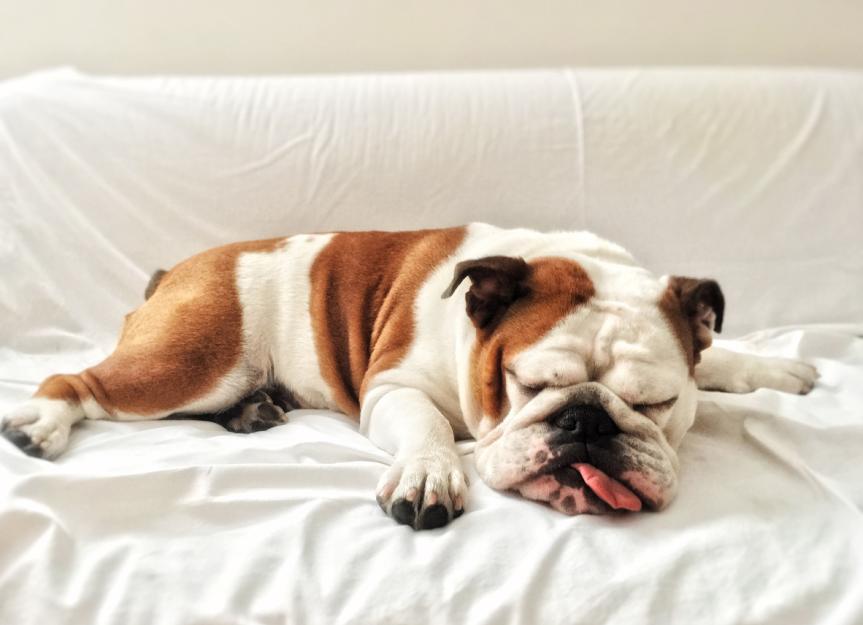
Brachycephalic breeds—those adorable, flat-faced dogs like Bulldogs, Pugs, and Boston Terriers—are prime candidates for snoring. Their unique anatomy often includes elongated soft palates (the fleshy part at the back of the roof of the mouth), narrow nostrils, and even narrowed tracheas (windpipes). These structural quirks directly impede airflow. The long soft palate can partially obstruct the windpipe opening, narrow nostrils restrict airflow, and a narrow trachea collapses when they breathe in. It's like trying to drink a thick milkshake through a tiny straw.
From a clinical perspective, brachycephalic airway syndrome (BAS) is a cascade of anatomical abnormalities. These abnormalities increase airway resistance. This increased resistance leads to increased respiratory effort. Over time, this can cause inflammation. The chronic inflammation leads to further narrowing and even eversion (turning outward) of laryngeal saccules, small pouches in the larynx (voice box), further obstructing airflow. Telomere shortening, a marker of cellular aging and stress, is often accelerated in these breeds due to the constant respiratory strain.
Allergies: How Seasonal Allergies Can Cause Dog Snoring
Allergies, whether seasonal pollen or food-related, can trigger inflammation and swelling in a dog's airway. This swelling narrows the passage, making it harder for them to breathe freely and leading to snoring. Think of it as a stuffy nose – but for your dog's entire upper respiratory tract.
The clinical perspective here involves histamine release. When a dog encounters an allergen, mast cells release histamine. Histamine causes vasodilation (widening of blood vessels) and increased permeability. This leads to fluid accumulation in the tissues of the upper airway. This fluid accumulation narrows the airway. Antihistamines, steroids, and allergen-specific immunotherapy can help.
Obesity: Why Weight Gain May Be Causing Your Dog's Snoring
Excess weight, especially around the neck, puts extra pressure on the windpipe and surrounding structures. This pressure constricts the airway, making it smaller and more prone to collapse during sleep. It's like wearing a too-tight collar that constantly restricts your breathing.
Biologically, obesity increases circulating levels of inflammatory cytokines (signaling molecules) like TNF-alpha and IL-6. These cytokines contribute to systemic inflammation. This inflammation can exacerbate airway swelling and reduce the responsiveness of respiratory muscles. Adipose tissue (fat) also secretes hormones like leptin, which, in excess, can disrupt respiratory control centers in the brainstem.
Sleeping Position: How Your Dog's Sleep Posture Affects Snoring
Sometimes, the simple act of sleeping in a certain position can cause temporary snoring. If a dog lies on its back, the tongue can relax and fall towards the back of the throat, partially blocking the airway. Similarly, resting the neck on a toy or in an awkward position can put pressure on the windpipe.
From a clinical standpoint, this is a matter of simple physics. Gravity pulls the tongue and soft tissues downwards, especially when muscles are relaxed during sleep. This effect is more pronounced in dogs with already compromised airways, such as brachycephalic breeds or those with underlying inflammation.
Infections and Illnesses: Understanding How Respiratory Infections Cause Snoring
Infections like kennel cough or upper respiratory infections cause inflammation and swelling in the airways, similar to allergies. Abscesses, nasal mites, and fungal infections can also contribute to airway obstruction and snoring.
These infections trigger an immune response. The immune response causes the release of inflammatory mediators. These mediators cause vasodilation, edema (fluid accumulation), and mucus production in the respiratory tract. The inflammation and mucus narrow the airway. This narrowing leads to increased airway resistance and turbulent airflow, resulting in snoring. Some infections can also damage the ciliated epithelial cells. These cells are responsible for clearing debris and pathogens from the airways, further compromising respiratory function.
Masses or Growths: When Tumors Cause Dog Snoring
Tumors or growths, whether benign (like nasal polyps) or malignant (like nasal carcinomas or fibrosarcomas), can physically obstruct the airway. These masses take up space, narrowing the passage and disrupting normal airflow.
These growths exert their effects through physical compression and, in the case of malignant tumors, potential invasion of surrounding tissues. Nasal carcinomas, for example, can disrupt the normal architecture of the nasal passages, leading to bone destruction and chronic inflammation. They can also metastasize (spread) to other parts of the body, further complicating the clinical picture.
Fluid Accumulation: How Fluid Buildup Can Cause Snoring
Fluid accumulation, whether from exudates (pus or fluid) or clotted blood, can narrow the nasal cavity and affect airflow. This accumulation can be due to illness, injury, or even certain bleeding disorders.
The underlying mechanism involves increased hydrostatic pressure within the affected tissues. This increased pressure forces fluid out of the blood vessels and into the surrounding interstitial space. This fluid accumulation narrows the airway. In cases of blood accumulation, the presence of blood clots can further obstruct airflow and trigger an inflammatory response.
Foreign Bodies: How Objects Stuck in the Nose Cause Snoring
Dogs explore the world with their noses, and sometimes they accidentally inhale foreign objects like grass seeds or small toys. These objects can lodge in the airway, causing obstruction, inflammation, and, of course, snoring.
The presence of a foreign body triggers an immediate inflammatory response as the body attempts to expel the irritant. This inflammation leads to swelling, mucus production, and potential secondary infections. Sharp objects can also cause direct trauma to the nasal passages, leading to bleeding and further inflammation.
When Should I Be Concerned About My Dog Snoring? Red Flag Checklist
Honestly, it's not always easy to know when dog snoring is a genuine cause for worry. But here’s what I tell my own clients. New snoring, especially if it's sudden, is always worth investigating. Also, watch for other clinical signs like nasal discharge, sneezing, coughing, labored breathing, or changes in energy level.
While snoring is common in brachycephalic breeds, constant snoring, even when awake, can compromise their ability to breathe comfortably. This puts them at risk for respiratory distress, especially in hot weather or stressful situations. Surgical correction of airway abnormalities can significantly improve their quality of life.
Red Flag Checklist:
- Sudden onset of snoring
- Snoring accompanied by other symptoms (coughing, sneezing, nasal discharge)
- Constant snoring, even when awake
- Labored breathing or increased respiratory effort
- Exercise intolerance or fainting episodes
How To Stop a Dog From Snoring: Home-Care Hacks
The goal is to remove obstructions and open up the airways. Surgical correction is often necessary for anatomical issues. Treating allergies or infections can reduce inflammation. Weight loss can alleviate pressure on the windpipe. Adjusting sleeping positions can also provide temporary relief.
Home-Care Hacks:
- Use a humidifier to moisten the air and reduce airway irritation.
- Elevate your dog's head during sleep with a pillow or rolled-up towel.
- Ensure your dog maintains a healthy weight.
- Avoid exposure to allergens or irritants like smoke or strong perfumes.
- Consider an air purifier to remove allergens from the environment.