

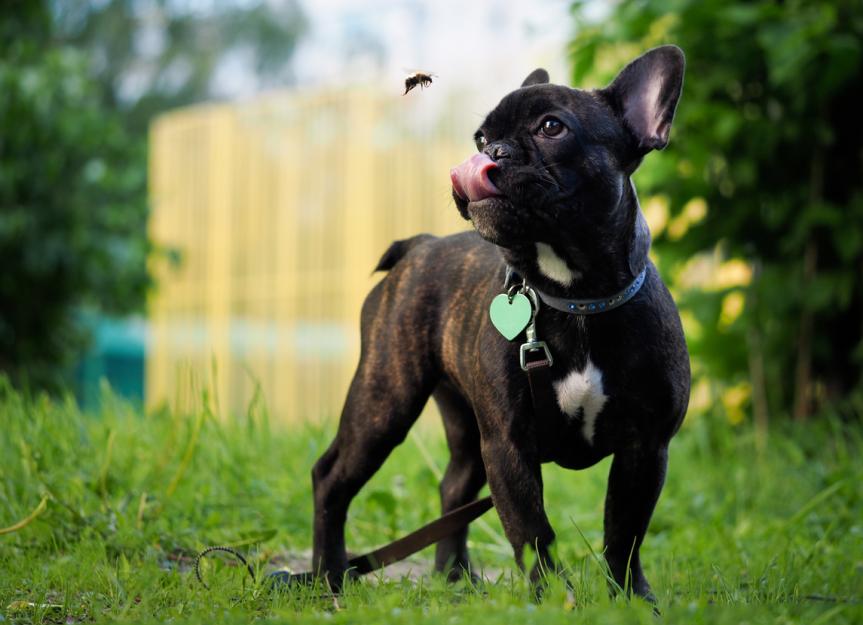
Dog Bee Stings: What To Do & When To Panic
Here's a veterinary truth bomb: that cute, puffy face after a bee sting isn't always a minor inconvenience. While some dogs shrug it off, others are teetering on the edge of anaphylactic shock. You need to be ready to act.
Busy Owner Summary: Bee stings cause pain and swelling. Monitor for vomiting, diarrhea, or breathing issues, which signal a severe reaction. Contact your vet immediately for guidance, especially if your dog has a history of allergies or multiple stings.
Why is My Dog Pawing at Their Face? Recognizing Bee Sting Symptoms in Dogs
The symptoms of a bee sting in dogs can range from mild discomfort to a life-threatening emergency. The severity depends on factors like your dog's sensitivity, the number of stings, and the location of the sting. Watch for pawing, which is an attempt to relieve the localized pain. It's often the first sign. Remember, prompt action is mission-critical.
In most cases, the initial sign is localized pain. Your dog might yelp, jump, or frantically lick or paw at the sting site. You might see redness and some swelling. Now, here's the biological 'why': bee venom contains compounds like melittin and phospholipase A2. These trigger the release of histamine and other inflammatory mediators from mast cells. This cascade leads to vasodilation (redness) and increased vascular permeability (swelling). The pain is caused by direct activation of pain receptors by the venom components.
Now, most dogs investigate the world with their noses. This means stings often happen on the face or muzzle. Paw stings are also common, especially in dogs who dig. And yes, some dogs try to eat bees, which leads to stings inside the mouth. This can cause excessive drooling (ptyalism) or difficulty swallowing (dysphagia). In the exam room, I’ve seen everything from mild muzzle swelling to full-blown hives. The key is to watch for escalating symptoms.
In more serious cases, you might see:
- Significant swelling, especially on the face, even if the sting was elsewhere.
- Difficulty breathing (rare, but incredibly serious).
- Frequent vomiting (emesis).
- Diarrhea.
- Weakness (lethargy).
These symptoms usually appear within an hour, but sometimes they're delayed. This delay is due to the time it takes for the venom to spread and trigger the full immune response. Remember, anaphylaxis involves a massive release of histamine and other mediators. This causes systemic vasodilation, bronchoconstriction (narrowing of airways), and increased vascular permeability. The drop in blood pressure and difficulty breathing can quickly become fatal. This is why speed is non-negotiable.
What To Do Immediately if Your Dog Gets Stung by a Bee: A Step-by-Step Guide
If your dog has been stung by a bee, act quickly but calmly. First, look for the stinger and remove it carefully. Then, reduce inflammation with a cold compress and consult your vet about antihistamines. Constant monitoring is essential to catch any signs of a severe reaction early.
If you can find the sting site, use tweezers (or your fingers if you have to) to remove any stinger. Bee stingers can continue to release venom for a short time. So, prompt removal is mission-critical. Then, apply an ice pack wrapped in a cloth to the area for 5-10 minutes. Never put ice directly on the skin. You risk frostbite and tissue damage. The cold helps constrict blood vessels, reducing swelling and slowing the spread of venom.
Call your vet. Ask if you should give your dog an antihistamine like diphenhydramine (Benadryl). Follow their dosage instructions carefully. Antihistamine doses are weight-based and different for dogs and humans. Antihistamines block histamine receptors, reducing the inflammatory response. But they won't reverse anaphylaxis. They only help prevent it from escalating.
Monitor your dog closely for several hours. If you're not comfortable doing this, your vet can monitor them for you. Mild swelling and pain can be managed at home. But, if the swelling increases rapidly or spreads, get to a vet immediately. And honestly, if your gut tells you something is wrong, trust it. I've seen too many owners second-guess themselves, only to regret it later.
Can My Dog Have a Severe Allergic Reaction (Anaphylaxis) to a Bee Sting?
Yes, dogs can experience anaphylaxis from bee stings, just like humans. Anaphylaxis is a severe, systemic allergic reaction that can be life-threatening. Rapid treatment is essential to stabilize blood pressure and ensure adequate organ perfusion. Don't delay seeking veterinary care if you suspect anaphylaxis.
Anaphylaxis is rare in dogs. But it's more likely if your dog has had multiple stings over time. Or if they get stung by many bees at once. This is because repeated exposure can sensitize the immune system. Leading to an exaggerated response. During anaphylaxis, mast cells release massive amounts of histamine. This causes vasodilation (low blood pressure) and bronchoconstriction (breathing difficulty). The biological mechanism is an overreaction of the IgE-mediated immune response. IgE antibodies bind to mast cells, causing them to degranulate and release inflammatory mediators.
Symptoms include vomiting, diarrhea, severe lethargy, facial swelling, and weakness. If you see these, especially after outdoor play, get to a vet immediately. Anaphylaxis is life-threatening. Vets will often hospitalize dogs to stabilize their blood pressure and maintain blood flow. They might use epinephrine (adrenaline) to reverse the effects of histamine. And they'll provide supportive care like oxygen and intravenous fluids.
Home-Care Hacks: What Can I Do to Help My Dog After a Bee Sting?
After a bee sting, you can provide comfort and support to your dog at home. Apply cool compresses to reduce swelling and offer plenty of fresh water. Monitor their behavior closely and contact your vet if you notice any concerning symptoms. A calm environment aids recovery.
Home-Care Hacks:
- Cool Compress: Apply a cool, wet cloth to the sting site for 10-15 minutes several times a day to reduce swelling and discomfort.
- Monitor the Sting Site: Check the sting site regularly for signs of infection, such as increased redness, swelling, pus, or warmth.
- Keep Your Dog Calm: Provide a quiet and comfortable space for your dog to rest and recover. Stress can exacerbate inflammation.
- Offer Fresh Water: Encourage your dog to drink plenty of fresh water to stay hydrated, especially if they are experiencing vomiting or diarrhea.
Red Flag Checklist: When is a Bee Sting an Emergency for My Dog?
Certain bee sting symptoms require immediate veterinary attention. Difficulty breathing, severe swelling, vomiting, diarrhea, or collapse are all red flags. If you observe any of these signs, seek emergency veterinary care without delay. Prompt action can save your dog's life.
Red Flag Checklist:
- Difficulty Breathing: Labored breathing, wheezing, or gasping for air.
- Severe Swelling: Rapid and extensive swelling of the face, neck, or tongue.
- Vomiting or Diarrhea: Especially if persistent or accompanied by other symptoms.
- Weakness or Collapse: Sudden loss of strength or inability to stand.
- Hives: Raised, itchy bumps on the skin.
How Can I Prevent Future Bee Stings in My Dog?
While it's impossible to eliminate the risk of bee stings entirely, you can take steps to minimize your dog's exposure. Keep them away from known hives or nests. Avoid encouraging them to chase flying insects. And consider leash-walking in areas where bees are prevalent. Prevention is always better than treatment.
Bees are a normal part of the environment. But, you can reduce the risk of stings. Don't let your dog chase flies. They might mistake a bee for a fly. Leash-walking in wooded areas helps prevent them from sticking their nose where it doesn't belong. And if you spend a lot of time in areas with bees, talk to your vet about antihistamine safety. Knowing your dog's dose can help you treat minor stings quickly.
Dogs at risk of anaphylaxis might get an EpiPen prescription. But this isn't usually needed. The best prevention is awareness and avoidance. And honestly, teaching your dog a solid “leave it” command can be a lifesaver. I tell my clients it's one of the most valuable things you can teach them.