

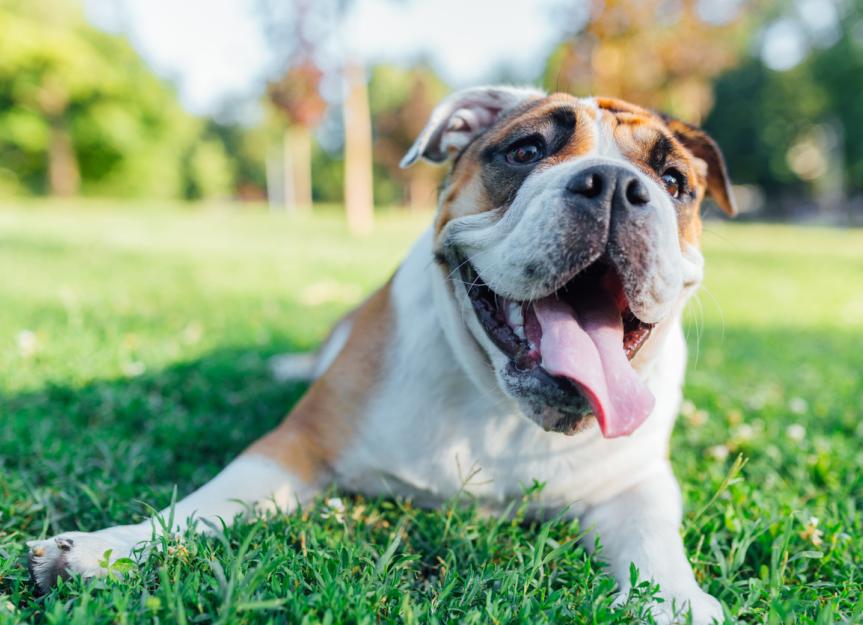
Do Dogs Sweat? Understanding Canine Cooling Mechanisms & Heatstroke
Here's a counter-intuitive fact I tell my clients all the time: a thick fur coat can actually *help* a dog stay cool in the summer. I know, it sounds crazy, but shaving that fluffy double coat can sometimes do more harm than good. It messes with their natural insulation.
For Busy Owners: Yes, dogs do sweat, but mostly through their paws. Panting and vasodilation are their primary cooling methods. Understanding these mechanisms is mission-critical to preventing heatstroke, which can be fatal.
How Do Dogs Sweat? The Paw Pad Perspiration Truth
Dogs do sweat, but not in the way humans do. Their primary sweat glands, called merocrine glands, are located in their paw pads. When dogs get hot or anxious, these glands release sweat, which evaporates to provide minimal cooling. It's not very efficient, honestly.
Dogs possess two types of sweat glands. Merocrine glands, concentrated in the paws, function similarly to human sweat glands, releasing a watery secretion for evaporative cooling. Apocrine glands, found throughout the body, primarily secrete pheromones for communication. The reason that this is important is the Apocrine glands play zero role in temperature regulation.
- Merocrine Sweat Glands: These glands, similar to those that humans have, are located in the paw pads. When a dog is hot or nervous, sweat is released. The evaporation of this sweat helps to cool the dog, but only slightly. You might notice damp paw prints on the floor.
- Apocrine Sweat Glands: These glands are located all over the dog's body. Here's the deal: they are not involved in cooling. Instead, they secrete pheromones. These chemical signals play a vital role in dog-to-dog communication.
The sweat produced by merocrine glands is odorless to humans. The apocrine glands produce pheromones that other dogs can detect. These pheromones transmit information about the dog's identity, reproductive status, and emotional state.
How Do Dogs Cool Themselves Off? The Panting and Vasodilation Playbook
Since sweating isn't a dog's primary cooling mechanism, they rely on panting and vasodilation. Panting allows for rapid evaporation of moisture from the tongue and upper respiratory tract. Vasodilation, the expansion of blood vessels, brings warm blood closer to the body surface for cooling.
Panting is the most effective cooling mechanism for dogs. Rapid, shallow breaths move air across the moist surfaces of the tongue, mouth, and upper respiratory tract. This causes water to evaporate, drawing heat away from the body. Vasodilation involves the widening of blood vessels, especially in the face and ears. This brings more blood to the surface of the skin, where heat can be released into the environment. This is why a dog's ears often appear red when they are hot.
Panting: The Evaporative Cooling Powerhouse
Panting involves rapid, shallow breaths that increase the evaporation of moisture from the dog's tongue and respiratory tract. This evaporative cooling helps dissipate heat from the body. Always ensure your dog has access to fresh water when panting.
Vasodilation: Radiating Heat Away
Vasodilation involves the expansion of blood vessels near the skin's surface, particularly in the ears and face. This allows more blood to flow closer to the surface, where heat can be radiated away from the body. You'll often notice a dog's ears turning red when they are trying to cool down.
Should You Shave a Dog's Coat for Summer? Rethinking the Razor
While it seems logical to shave a dog to help them cool off, it's not always the best approach. A dog's coat acts as insulation, protecting them from both heat and cold. Shaving can disrupt this natural insulation and increase the risk of sunburn and overheating. I’ve seen so many cases in the exam room where owners thought they were helping, but actually made things worse.
A dog's coat provides insulation. It slows the transfer of heat to the body in warm weather. Shaving a dog with a double coat removes this protective layer. This exposes the skin to direct sunlight and increases the risk of sunburn and overheating. The coat also protects against parasites.
Dogs with double coats (like Huskies and German Shepherds) should generally not be shaved. Their coat provides insulation and protects against sunburn. Dogs with single coats (like Poodles and Shih Tzus) can be shaved, but it's not always necessary.
Recognizing Heatstroke in Dogs: A Red Flag Checklist for Owners
Heatstroke is a life-threatening condition that occurs when a dog's body temperature rises to dangerous levels. It can lead to organ damage and death if not treated promptly. Rapid recognition of the signs and immediate veterinary care are critical.
Heatstroke occurs when a dog's body temperature exceeds its ability to regulate itself. A normal dog's temperature is between 99.5 and 102.5 degrees Fahrenheit. When the body temperature rises above 106 degrees Fahrenheit, cellular damage begins to occur. The heat denatures proteins and disrupts normal cellular functions. This can lead to organ failure and death. Brachycephalic breeds (those with short noses) are particularly susceptible due to their compromised respiratory systems.
Signs of Heatstroke:
- Excessive panting
- Red gums
- Incoordination (ataxia)
- Rapid heart rate
- Thick saliva, excessive drooling
- Vomiting
- Seizures
- Unconsciousness
Red Flag Checklist: If you notice any of these signs, take your dog to the vet immediately. Cool your dog down with cool water while en route, but avoid using ice or cold water, as this can cause shock.
How to Keep Your Dog Cool: Home-Care Hacks to Beat the Heat
Preventing overheating is crucial for your dog's health. Provide plenty of fresh water, shade, and avoid strenuous exercise during the hottest parts of the day. Never leave your dog unattended in a car, even for a few minutes.
Dogs are more prone to overheating than humans because they don't sweat as efficiently. Ensuring that your dog has access to shade and fresh water is crucial. Limit exercise during peak heat hours. Provide cooling mats or vests. A kiddie pool filled with water can also provide relief. Electrolyte imbalances can occur during periods of heavy panting. Adding a small amount of electrolyte solution to your dog's water can help maintain balance.
Home-Care Hacks:
- Provide plenty of fresh, cool water.
- Offer shade or a cool indoor space.
- Avoid strenuous exercise during the hottest part of the day.
- Use cooling mats or vests.
- Never leave your dog unattended in a car.