

Decoding Dog Years: A Vet's Guide to a Dog's Life Stages and Senior Care
Here's a weird fact from the exam room: small dog breeds don't just *seem* to live longer; they actually do, sometimes by almost a decade. The inverse is true for giant breeds. So that Saint Bernard might be considered a geriatric patient at age 5. Forget everything you think you know about the '7-year rule.'
For Busy Owners: Dog aging isn't a simple math equation. Breed and size play huge roles. Proper nutrition and mental enrichment are crucial at every stage. Regular vet checkups are non-negotiable, especially as your dog enters their senior years.
Why is My Dog Aging So Differently Than Expected? Understanding Breed and Size
The common 'one dog year equals seven human years' is a vast oversimplification. A more accurate estimate considers a dog's weight and breed. Smaller dogs mature slower and live longer, while larger breeds age faster and have shorter lifespans. Honestly, it all boils down to genetics and metabolism.
The truth is that the aging process in dogs is profoundly influenced by their breed and size. A tiny Chihuahua and a massive Great Dane experience vastly different aging timelines. This isn't just about appearance; it's about fundamental biological processes. The rate of telomere shortening, the protective caps on our chromosomes, varies significantly between breeds, impacting cellular aging. Similarly, levels of insulin-like growth factor 1 (IGF-1), a hormone linked to growth and cancer risk, are higher in larger breeds and may contribute to their accelerated aging.
The Clinical Perspective (Biological 'Why')
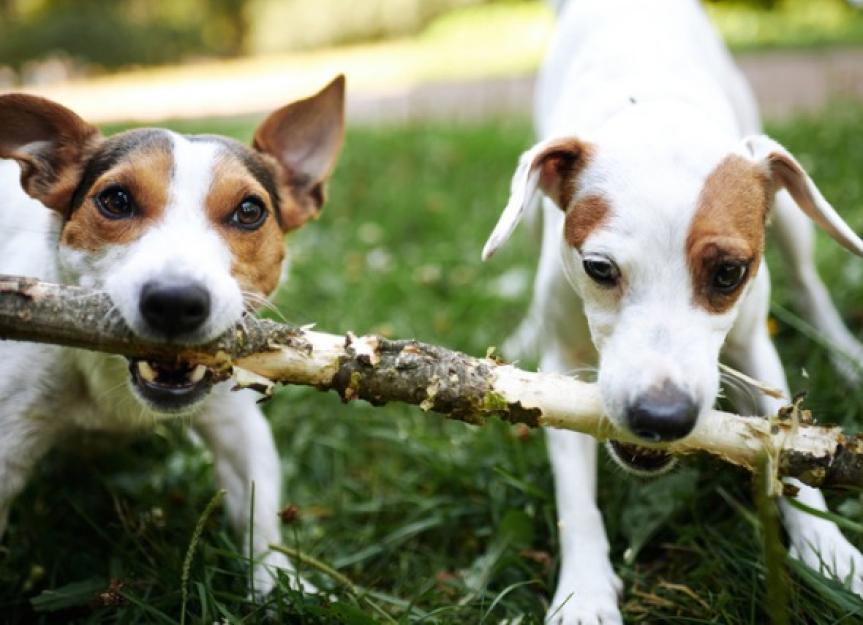
From a clinical standpoint, we see these differences play out every day. A 6-year-old Great Dane might already be showing signs of arthritis and decreased mobility, while a 12-year-old Jack Russell Terrier is still chasing squirrels like a puppy. This disparity is due to a complex interplay of factors, including:
- Genetics: Certain breeds are predisposed to specific age-related diseases. For example, German Shepherds are prone to degenerative myelopathy, a progressive spinal cord disease.
- Metabolism: Larger dogs have higher metabolic rates, which can lead to increased oxidative stress and cellular damage.
- Growth Rate: Rapid growth in large breeds can put stress on their joints and bones, predisposing them to orthopedic problems later in life.
Home-Care Hacks (Low-Cost, Practical Tips)
- Joint Support: Start joint supplements (glucosamine, chondroitin) early, especially for large breeds.
- Weight Management: Maintaining a healthy weight is crucial for all dogs, but especially important for larger breeds to reduce stress on their joints.
- Regular Exercise: Moderate exercise helps maintain muscle mass and joint mobility. Avoid high-impact activities that can strain joints.
The Red Flag Checklist (When to Panic vs. When to Wait)
- Sudden Lameness: A sudden inability to bear weight on a limb warrants immediate veterinary attention.
- Persistent Coughing: Could indicate heart disease, which is more common in older dogs.
- Changes in Appetite or Thirst: Could be a sign of kidney disease, diabetes, or other serious conditions.
- Cognitive Decline: Disorientation, confusion, or changes in sleep patterns could indicate canine cognitive dysfunction (CCD).
How Can I Determine My Dog's Real Age? Vet Insights
Shelter estimates can be way off. A vet's assessment is the gold standard. We look at teeth (wear and tartar), eyes (lens clarity), and sometimes bloodwork. Graying around the muzzle is a decent clue, but not always reliable. Actually, even for us, it's more art than science sometimes.
Determining a dog's age, especially when their history is unknown, involves a combination of physical examination and diagnostic tests. While not an exact science, veterinarians use several key indicators to estimate a dog's age. The condition of the teeth is a primary factor. Puppies have baby teeth that are replaced by permanent teeth by around six months of age. As dogs age, their teeth accumulate tartar and may show signs of wear and tear.
The Clinical Perspective (Biological 'Why')
The degree of tooth wear and tartar buildup provides clues about a dog's age. However, diet and dental hygiene also play a significant role. Dogs fed a kibble diet tend to have more tartar buildup than those fed a raw diet. Regular dental cleanings can also slow down the progression of dental disease. We also look at the lens of the eye for signs of lenticular sclerosis, a normal aging change that causes a bluish haze.
Home-Care Hacks (Low-Cost, Practical Tips)
- Observe Teeth: Note the degree of tartar buildup and wear.
- Check for Graying: Look for gray hairs around the muzzle and face.
- Assess Energy Levels: Older dogs tend to have lower energy levels than younger dogs.
The Red Flag Checklist (When to Panic vs. When to Wait)
- Sudden Tooth Loss: Could indicate advanced periodontal disease.
- Cloudy Eyes: Could be cataracts, which can impair vision.
- Significant Weight Loss: Could be a sign of underlying disease.
What Are the Special Nutritional Needs as My Dog Ages?
Puppies need more calories for growth. Adults need a balanced diet. Seniors often benefit from fewer calories and added supplements for joint and brain health. Don't just grab any bag of food; read the labels and ask your vet.
As dogs transition through different life stages, their nutritional requirements change. Puppies require a diet rich in calories, protein, and essential nutrients to support their rapid growth and development. Adult dogs need a balanced diet to maintain their weight and energy levels. Senior dogs often require fewer calories to prevent weight gain, as well as specific nutrients to support joint health and cognitive function. The key here is mitochondrial efficiency. As dogs age, their cells don't process energy as well, requiring us to adjust nutrient profiles.
The Clinical Perspective (Biological 'Why')
Age-specific dog food formulas are designed to meet these changing needs. Puppy formulas are typically higher in protein and fat to support muscle growth and development. Senior formulas often contain antioxidants to protect against cellular damage, as well as glucosamine and chondroitin to support joint health. Some senior formulas also contain medium-chain triglycerides (MCTs) to improve cognitive function.
Home-Care Hacks (Low-Cost, Practical Tips)
- Read Food Labels: Pay attention to the calorie content, protein levels, and added nutrients.
- Adjust Portion Sizes: Adjust portion sizes based on your dog's weight and activity level.
- Consider Supplements: Talk to your vet about whether supplements are right for your dog.
The Red Flag Checklist (When to Panic vs. When to Wait)
- Sudden Weight Loss or Gain: Could indicate a metabolic disorder.
- Changes in Appetite: Could be a sign of underlying disease.
- Digestive Issues: Vomiting or diarrhea could indicate food intolerance or other digestive problems.
What Behavioral Changes Should I Expect as My Dog Gets Older?
Puppies are energetic and mouthy. Seniors may develop cognitive dysfunction, similar to Alzheimer's. Watch for disorientation, anxiety, and changes in sleep patterns. It's heartbreaking, but early detection helps.
Behavioral changes are a natural part of the aging process in dogs. Puppies are known for their boundless energy, playful biting, and tendency to chew on anything they can get their paws on. Senior dogs, on the other hand, may experience cognitive decline, leading to disorientation, anxiety, and changes in sleep patterns. Canine cognitive dysfunction (CCD) is a neurodegenerative disease that affects many senior dogs. The underlying cause is the accumulation of beta-amyloid plaques in the brain, similar to what is seen in Alzheimer's disease in humans.
The Clinical Perspective (Biological 'Why')
CCD can manifest in a variety of ways, including:
- Disorientation: Getting lost in familiar places.
- Changes in Social Interaction: Reduced interest in interacting with family members.
- Anxiety: Increased fearfulness or nervousness.
- Sleep Disturbances: Restlessness at night, sleeping more during the day.
- House Soiling: Accidents in the house, even if the dog is house-trained.
- Pacing or Wandering: Aimless wandering around the house.
Home-Care Hacks (Low-Cost, Practical Tips)
- Provide a Safe and Comfortable Environment: Make sure your dog has a comfortable bed and a quiet place to retreat to.
- Maintain a Consistent Routine: Stick to a regular feeding and exercise schedule.
- Provide Mental Stimulation: Puzzle toys and interactive games can help keep your dog's mind sharp.
The Red Flag Checklist (When to Panic vs. When to Wait)
- Sudden Behavioral Changes: Could indicate a medical problem.
- Severe Anxiety or Aggression: Could be a sign of pain or cognitive dysfunction.
- Seizures: Could be a sign of a brain tumor or other neurological problem.
General Care Tips for Each Stage of a Dog's Life
Crate training is great for puppies. Orthopedic beds and ramps help senior dogs. Mental enrichment is crucial at any age. Honestly, the most important thing is to pay attention to your dog's individual needs.
Providing optimal care for your dog at every life stage involves tailoring your approach to their specific needs. Puppies require socialization, training, and a nutritious diet to support their growth and development. Adult dogs need regular exercise, mental stimulation, and a balanced diet to maintain their health and well-being. Senior dogs require extra attention to their comfort, mobility, and cognitive function. Enrichment is key to slowing the effects of brain aging. This is because novel experiences promote neuroplasticity, the brain's ability to form new connections.
The Clinical Perspective (Biological 'Why')
Regular veterinary checkups are essential at every life stage. Puppies need vaccinations and parasite prevention. Adult dogs need annual checkups to screen for potential health problems. Senior dogs may need more frequent checkups to monitor their health and adjust their care as needed.
Home-Care Hacks (Low-Cost, Practical Tips)
- Provide a Safe and Comfortable Environment: Make sure your dog has a comfortable bed, plenty of fresh water, and a quiet place to retreat to.
- Maintain a Healthy Weight: Obesity can exacerbate age-related health problems.
- Provide Regular Exercise: Moderate exercise helps maintain muscle mass and joint mobility.
The Red Flag Checklist (When to Panic vs. When to Wait)
- Sudden Changes in Behavior: Could indicate a medical problem.
- Difficulty Breathing: Could be a sign of heart or lung disease.
- Lumps or Bumps: Could be cancerous tumors.