

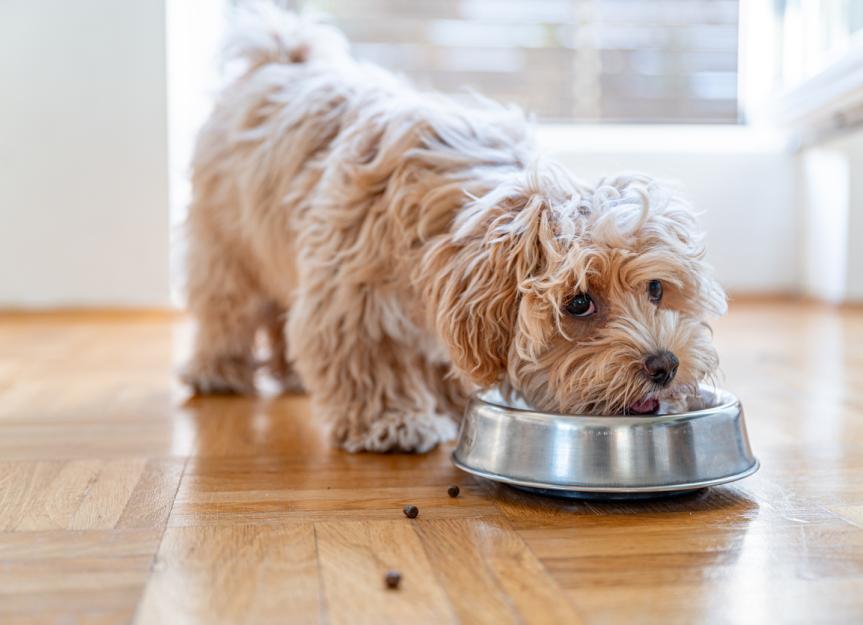
Dog Bladder Stones: Diet Strategies for a Healthy Urinary Tract
Here's a fact that might make you rethink your dog's water bowl: dehydration is a HUGE risk factor for bladder stones. Many owners don't realize that even slight dehydration can create a perfect storm for crystal formation in the urinary tract. It's not just about what they eat; it's about how hydrated they are.
For Busy Owners: Diet is mission-critical in managing dog bladder stones. Specific diets can dissolve certain types of stones or prevent recurrence. Hydration is non-negotiable for all dogs prone to urinary issues; dilute urine is key.
Why is My Dog Prone to Bladder Stones? Understanding the Urinary System
Bladder stones in dogs form when minerals in the urine crystallize and clump together. These crystals can grow into stones that irritate the bladder lining and potentially block the urethra. Think of it like this: imagine pouring salt into a glass of water. If there's too much salt, it won't dissolve completely, and crystals will form. The same thing happens in a dog's bladder when certain minerals are over-concentrated.
From a clinical perspective, several factors can contribute to bladder stone formation. These include urine pH imbalances, where the urine is either too acidic or too alkaline. Also, bacterial infections, which can alter the urine's composition. There are also individual metabolic differences in how dogs process minerals. Some breeds, like Dalmatians, are genetically predisposed to certain types of stones due to differences in uric acid metabolism.
Can Food Actually Treat Dog Bladder Stones?
Yes, in some cases, food can absolutely treat dog bladder stones. Specific prescription diets are designed to dissolve certain types of stones, like struvite stones. These diets work by altering the urine's pH and mineral content, creating an environment where the stones gradually break down. Think of it as using a special solvent to dissolve a stubborn mineral deposit.
The clinical perspective here is that these diets are formulated to do more than just dissolve stones. They also aim to reduce the concentration of stone-forming minerals in the urine and promote increased water intake, leading to more dilute urine. It's mission-critical to understand that not all stones can be dissolved with diet alone. Calcium oxalate stones, for example, typically require surgical removal.
What are the Different Types of Dog Bladder Stones and Their Treatments?
There are several types of bladder stones that can affect dogs. The most common are struvite, calcium oxalate, cystine, purine (urate or xanthine), calcium phosphate, and silica. Each type has a different mineral composition and requires a tailored treatment approach. Identifying the specific type of stone is the first, non-negotiable step in effective management.
From a clinical standpoint, understanding the underlying causes of each stone type is mission-critical. Struvite stones, for instance, are often linked to urinary tract infections caused by bacteria that produce urease, an enzyme that breaks down urea into ammonia, raising urine pH and promoting struvite formation. Calcium oxalate stones, on the other hand, are more related to metabolic factors, such as hypercalcemia (high calcium levels in the blood) or dietary imbalances.
Struvite Stones: Diet and Antibiotics
Struvite stones are frequently linked to bacterial infections in the bladder, making antibiotics a non-negotiable part of treatment. These stones are often dissolved with food or medication. Diets for struvite stones reduce protein, magnesium, and phosphorus levels, increase salt, and create acidic urine, dissolving the stones over weeks or months.
The clinical perspective here is that struvite stones form in alkaline urine, often due to the presence of urease-producing bacteria. These bacteria break down urea, increasing ammonia levels and raising the urine pH. Diets designed to dissolve struvite stones aim to acidify the urine, making it less favorable for struvite crystal formation. They also restrict the building blocks of struvite: magnesium, ammonium, and phosphate.
Calcium Oxalate Stones: Surgical Removal and Prevention
Calcium oxalate stones, another common type, can't be dissolved with diet. They require physical removal via surgery, lithotripsy, or urohydropropulsion. Prevention focuses on diet changes to reduce calcium levels, avoid oxalate-rich ingredients, create dilute urine, and maintain slightly alkaline urine.
From a clinical perspective, calcium oxalate stones are often associated with hypercalcemia (elevated calcium levels in the blood) or increased oxalate excretion in the urine. Certain breeds are also predisposed to calcium oxalate stones. Diets for preventing calcium oxalate stones aim to reduce calcium and oxalate levels in the urine, while promoting adequate hydration to dilute the urine and minimize crystal formation. Thiazide diuretics may be used to reduce urinary calcium excretion.
Cystine Stones: Low-Protein and Alkaline Diets
Cystine stones, less common than struvite and calcium oxalate, can usually be dissolved with appropriate diets. These diets are low in protein, sodium, and cystine/methionine (amino acids converted to cystine), and promote alkaline urine. Veterinarians often prescribe specific diets for this purpose.
Clinically, cystine stones form due to a genetic defect in amino acid transport, leading to excessive cystine excretion in the urine. This condition is more common in certain breeds. Diets for cystine stones are formulated to minimize cystine production and increase urine pH, making it less favorable for cystine crystal formation. Potassium citrate is often used to alkalinize the urine.
Purine Stones: Diet Changes and Medication
Purine stones, including urate and xanthine stones, can sometimes be dissolved with food and medication. Diets for these stones reduce protein (especially purine-rich sources like fish and organ meats), lower sodium, and create alkaline urine. If diet and medication fail, surgical removal may be necessary.
Urate stones are particularly common in Dalmatians due to a genetic defect in uric acid metabolism. These dogs have a reduced ability to convert uric acid to allantoin, leading to elevated uric acid levels in the urine. Xanthine stones can occur in dogs treated with allopurinol, a medication used to reduce uric acid production. Diets for purine stones aim to minimize purine intake and promote alkaline urine, facilitating uric acid excretion.
Calcium Phosphate and Silica Stones: Surgical Removal
Calcium phosphate stones are not very common and usually require surgical removal. Silica stones are rare and also cannot be dissolved, necessitating surgical removal, lithotripsy, or urohydropropulsion.
From a clinical perspective, calcium phosphate stones are often associated with hyperparathyroidism or other conditions that cause elevated calcium and phosphate levels in the blood and urine. Silica stones, on the other hand, are linked to the ingestion of silica-rich substances, such as soil or certain plant-based ingredients. Preventing access to these substances is mission-critical in preventing silica stone recurrence.
How Can Special Diets Prevent Dog Bladder Stones?
Dogs with a history of bladder stones are at risk of recurrence. Diet changes are highly effective in prevention, as a dog's diet significantly impacts their urine composition. Special foods reduce the building blocks needed to form bladder stones, lowering the risk of recurrence.
From a clinical standpoint, preventive diets work by manipulating urine pH, mineral concentrations, and urine volume. They also often contain added ingredients, such as glucosamine and chondroitin sulfate, to support bladder lining health and reduce inflammation.
Home-Care Hacks: Practical Tips for Owners
- Increase Water Intake: Add water to your dog's food, use a pet water fountain, or offer low-sodium broth.
- Frequent Urination: Encourage frequent urination by providing regular walks and potty breaks.
- Monitor Urine: Observe your dog's urine for any changes in color, odor, or frequency.
- Weight Management: Maintain a healthy weight to reduce the risk of metabolic imbalances.
The Red Flag Checklist: When to Call the Vet
- Straining to Urinate: This is a serious sign of urinary blockage and requires immediate veterinary attention.
- Blood in Urine: Hematuria (blood in the urine) can indicate bladder irritation or infection.
- Frequent Urination: Increased urination frequency can be a sign of bladder inflammation or infection.
- Lethargy or Loss of Appetite: These can be signs of systemic illness associated with bladder stones.
Homemade Dog Food for Bladder Stones: Proceed with Caution
Creating a nutritionally complete and balanced homemade diet for a healthy dog is challenging enough. Adding bladder stones to the equation makes it even more difficult, as specific urine parameters must be achieved. If considering homemade food, consult a veterinary nutritionist familiar with your dog's case. The wrong homemade diet could worsen the condition.
From a clinical perspective, homemade diets for bladder stones require precise formulation to achieve the desired urine pH, mineral concentrations, and nutrient balance. This requires specialized knowledge and access to laboratory testing to monitor urine parameters. It's honestly not a DIY project for most owners.
How Much Water Should Dogs Prone to Bladder Stones Drink?
Hydration is non-negotiable for dogs prone to bladder stones. Dehydration concentrates urine, increasing the risk of crystal and stone formation. Dilute urine reduces this risk, keeping the substances that form stones dissolved. Aim for a urine specific gravity (USG) under 1.020.
Clinically, maintaining adequate hydration is mission-critical for preventing bladder stone recurrence. Dehydration leads to increased mineral saturation in the urine, promoting crystal formation. Monitoring USG is a useful tool for assessing hydration status and adjusting water intake accordingly.