

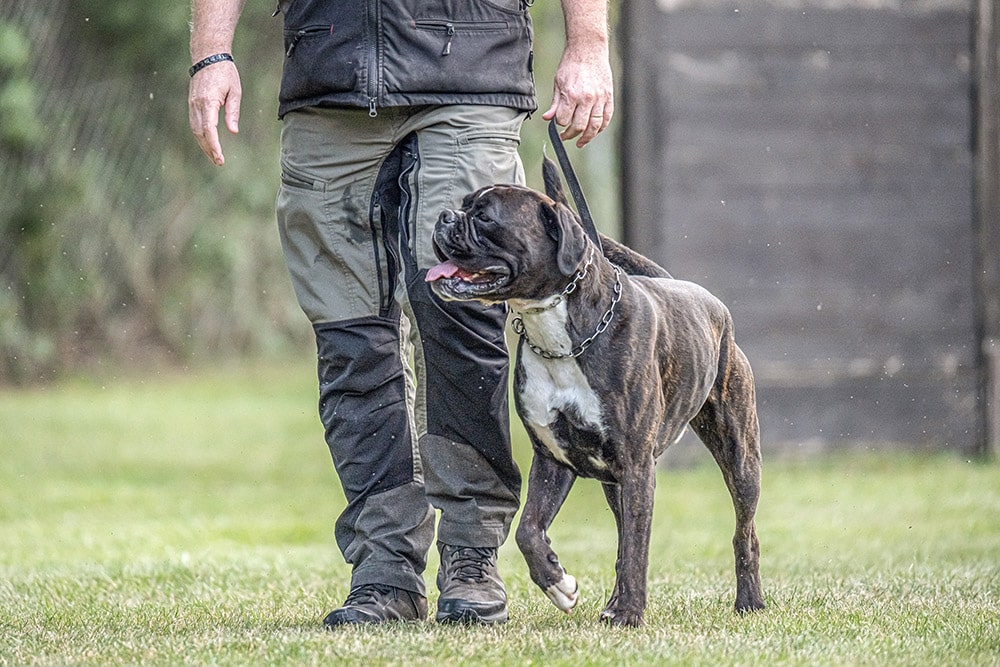
Cadaver Dog Training: An Expert Vet's Guide to HRD Canines
Here's something you probably didn't know: a dog's sense of smell can detect human remains buried for decades, even through concrete. It's not just about a powerful nose; it's about specialized training and an innate drive. These aren't your average family pets; they are highly skilled professionals offering closure where hope seems lost.
For the Busy Owner: Cadaver dogs, or human remains detection (HRD) dogs, are trained to locate deceased individuals. Their training involves associating specific scents with rewards, and they work in diverse environments, from disaster sites to cold case investigations. The best dogs possess stamina and drive, regardless of breed.
How Does It Work? The Science of Canine Olfaction for Human Remains Detection
Cadaver dogs, more formally known as "human remains detection dogs," have been revolutionizing search efforts since the 1970s, leveraging their extraordinary sense of smell. These canines possess up to 50 times more scent receptors than humans. Their olfactory epithelium is 20 times greater, and their smell-based brain regions are up to 40 times larger. In simpler terms, their sense of smell is up to 100,000 times more powerful than ours. This allows them to detect the faintest traces of decomposing human tissue, even decades old or buried deep underground. But how exactly does this work?
The Clinical Perspective: The key lies in volatile organic compounds (VOCs) released during decomposition. As the body breaks down, bacteria produce a complex cocktail of gases like putrescine and cadaverine. These VOCs diffuse through the soil and even water. A dog's highly sensitive olfactory system can detect these compounds at incredibly low concentrations – parts per trillion. They can even differentiate between the VOCs of a recently deceased person and those of someone who died long ago. This is due to the ever-changing microbiome involved in decomposition. The process starts with autolysis (cellular self-destruction via enzymes) and is followed by bacterial action, and finally, putrefaction (tissue breakdown). Each stage emits different VOCs.
How Are Cadaver Dogs Trained to Find Dead Bodies? The Step-by-Step Guide
Training a cadaver dog is a meticulous process that requires patience and dedication. Professionals use either formulated chemicals mimicking decomposition scents or, preferably, genuine human remains to train these specialized dogs. Many trainers opt for placentas and blood, which are easier to source, along with hair, teeth, and sometimes bones. The challenge? Dogs need exposure to a diverse range of scents, and obtaining human parts can be difficult compared to synthetic alternatives. The goal is to imprint these scents on the dogs through consistent exposure. They also learn to recognize smells at various decomposition stages, broadening their awareness of how a cadaver’s scent changes over time and in different environments. I remember one case in the exam room where a client joked their dog could find anything—little did they know the rigorous training involved for HRD dogs!
Training begins by associating the scent of human tissue with a reward. When the dog successfully locates remains, they receive a treat. As the dog strengthens this connection, trainers test them in outdoor settings like wooded areas, hiding scented materials or body parts. The dogs learn to identify the target scents while filtering out the countless other odors present in the environment. For them, much of the time, cadaver work is a game. Once they find their target, trainers teach the dog not to touch it but to present a passive alert, such as sitting or lying down, or an aggressive alert, such as scratching or barking.
Home-Care Hacks: While you can't replicate professional cadaver dog training at home (and shouldn't try!), you can engage your dog's scent work abilities with simple games. Hide treats around the house and encourage them to use their nose to find them. This enhances their natural scent detection skills and provides mental stimulation.
What Are the Different Types of Cadaver Dog Training? Specializations & Scenarios
Cadaver dogs generally operate within a specific search grid, aiming to locate a stationary target. They utilize both air and ground scents to aid in their search. Depending on their training level and physical capabilities, they fall into various categories. Some dogs are trained to locate fully decomposed bodies. Others can detect minute fragments, including hair or even trace amounts of blood. Cadaver dogs also differ based on the context in which they operate. The most basic arena involves forests, fields, residences, and other relatively easy-to-search areas. However, dogs trained for disaster search require more advanced skills, as they work in the aftermath of devastating events like hurricanes and tornadoes. Some dogs specialize in locating burnt bodies following a fire. Water dogs face one of the most challenging jobs, demanding rigorous training. Working in lakes and other large bodies of water, they pick up odorous gases rising to the surface from cadavers hidden underneath.
The Clinical Perspective: The specialization of cadaver dogs reflects the nuances of decomposition in different environments. For example, in water, decomposition is slowed by the cool temperature and reduced oxygen. This changes the VOC profile released. Similarly, burnt remains present a unique challenge due to the altered chemical composition of the tissues. This is why specialized training is non-negotiable for these canines to be effective.
Where Are Cadaver Dogs Used? From Natural Disasters to Cold Cases
The applications of cadaver dogs are diverse, spanning from natural disaster recovery to police investigations and even historical archaeology. Their ability to locate human remains provides invaluable assistance in a variety of critical scenarios.
Natural Disasters
In the aftermath of a disaster, the rescue stage often transitions to a recovery phase. As live-find search dogs leave, cadaver dogs enter the scene. While some dogs are cross-trained for both types of searches, studies suggest that these dogs are not as effective as those specializing solely in live finds. For cross-trained dogs, handlers use different cues and equipment to signal the shift in focus from finding live individuals to locating deceased victims. The Federal Emergency Management Agency (FEMA) deploys approximately 80 human remains detection dogs after such events. Cadaver dogs have played a crucial role in finding victims following numerous disasters, including the 9/11 attacks at the World Trade Center and the Pentagon, the 2023 Maui wildfires, Hurricanes Katrina, Michael, and Ian, the Oklahoma tornadoes in 2013, and Superstorm Sandy in 2013.
Police Investigations
Beyond disaster response, cadaver dogs have proven invaluable in solving countless murders and bringing perpetrators to justice, often long after the cases have gone cold. One dog even contributed to the investigation of the infamous Black Dahlia murder from 1947, assisting handlers in locating human remains over 60 years later.
Historical Remains
Cadaver dogs continue to find new applications. Recently, trained dogs have been employed in archaeological projects to unearth centuries-old remains. As experts seek to reconstruct history, many worldwide now utilize cadaver dogs to locate long-lost bodies and artifacts. Researchers in Croatia have discovered tombs dating back to the Iron Age with their assistance. In the United States, cadaver dogs have identified numerous burial sites of Native Americans and black slaves, enabling their descendants to preserve and honor their ancestors' stories.
The Red Flag Checklist: It's mission-critical to remember that HRD work is incredibly taxing on the dogs, both physically and mentally. Handlers must be vigilant for signs of stress, such as decreased appetite, reluctance to search, or increased anxiety. Regular veterinary checkups are also non-negotiable to ensure the dog's overall health and well-being.
Frequently Asked Questions (FAQ) About Cadaver Dogs
What Breeds Make the Best Cadaver Dogs?
When selecting cadaver dogs, temperament is more crucial than breed. While some breeds, like Bloodhounds, seem predisposed to scent work, the best candidates possess the drive to work long hours and plenty of stamina—qualities found in dogs from various breeds. The most common breeds on FEMA’s canine search teams are Golden Retrievers, Malinois, Labradors, German Shepherds, and Border Collies. Rewards are infrequent and often not guaranteed. Cadaver dogs must work long hours in grueling climates and terrains, often without finding their target. While some dogs might be able to pick up the scent of a body, it takes a special character to stay motivated under such conditions.
How Old Are Cadaver Dogs When They Begin Training?
Although older dogs can potentially become cadaver dogs, the ideal age to start training is between 1 and 2½ years old. Dogs in this age range are typically more responsive to training commands.
Conclusion
Dogs never cease to amaze, constantly finding new ways to make a difference. Cadaver dogs provide a unique perspective that neither people nor technology can replicate, helping us make sense of confusing, uncertain, and stressful situations. Through their tireless efforts in locating the deceased, cadaver dogs have proven their value in providing crucial closure to those left behind, offering emotional relief and the opportunity to move forward in life.