

Beyond the Treat Jar: Vet-Approved Guide to Training Dogs Without Food
Here's a fact that hits hard from the exam room: many dogs labeled "untrainable" aren't stubborn; they're just not food-motivated. We often assume a wagging tail means treat-lust, but that's a human projection. The truth? Some dogs find toys, praise, or even a good game of tug-of-war way more rewarding than a biscuit. It’s about finding *their* currency.
For Busy Owners: Training without treats is absolutely possible. Focus on understanding your dog's unique motivators. Positive reinforcement using toys, praise, or play can be just as effective. Consistency and patience are mission-critical.
Why Isn't My Dog Interested in Treats? Ruling Out Medical & Behavioral Causes
If your dog suddenly snubs their favorite snacks, don't jump straight to behavioral theories. A diminished appetite is often the first red flag for underlying medical issues. A good rule of thumb is to first rule out medical reasons for a lack of appetite. Issues like dental pain, gastrointestinal upset, or even systemic illnesses can suppress a dog's desire for food. This is because inflammation and discomfort trigger the release of cytokines, which directly interfere with appetite regulation in the brain. I’ve seen dogs come in for "training resistance" that turned out to be a painful tooth abscess. So, a vet visit is non-negotiable to rule out medical causes before you start tweaking training techniques.
The Clinical Perspective (Biological 'Why')
The biological underpinnings of appetite are complex, involving a delicate interplay of hormones like ghrelin (which stimulates hunger) and leptin (which signals satiety). When a dog is in pain or fighting an infection, their body prioritizes healing, often at the expense of appetite. Moreover, certain medications can also have appetite-suppressing side effects. So, a thorough medical workup is paramount.
Home-Care Hacks (Low-cost, practical tips)
- Check their teeth: Gently lift their lips and look for signs of redness, swelling, or broken teeth.
- Monitor their stool: Note any changes in consistency or frequency.
- Observe their behavior: Are they lethargic, hiding, or showing signs of discomfort?
The Red Flag Checklist (When to panic vs. when to wait)
- Refusal to eat for more than 24 hours: This warrants an immediate vet visit.
- Lethargy or weakness: These are signs of a potentially serious underlying condition.
- Vomiting or diarrhea: These can lead to dehydration and electrolyte imbalances.
My Dog Isn't Treat Motivated: 7 Vet-Approved Tips for Training Without Treats
So, your vet has given the all-clear, and your dog still turns up their nose at treats? Here's the deal: you need to tap into their intrinsic motivators. Forget the cookie-cutter approach; this is about understanding what *that specific dog* finds rewarding. It's a little like matchmaking, but for motivation.
1. Start Small: Setting Achievable Training Goals for Your Dog
Trying to cram too much into a single training session is a recipe for frustration – for both you and your dog. Overwhelming your dog with complex commands can lead to cognitive overload, hindering their ability to learn and retain information. Short, focused sessions are far more effective. This is because the brain consolidates new information during rest. Breaking down complex tasks into smaller, manageable steps allows for better learning and reduces the risk of discouragement.
The Clinical Perspective (Biological 'Why')
From a neurological perspective, learning involves the strengthening of synaptic connections in the brain. This process, known as long-term potentiation (LTP), is most efficient when learning is spaced out and reinforced regularly. Trying to force too much information at once can overwhelm the brain's capacity for LTP, leading to decreased learning efficiency.
Home-Care Hacks (Low-cost, practical tips)
- Keep sessions short: Aim for 5-10 minute sessions.
- Focus on one command at a time: Don't try to teach multiple commands in a single session.
- End on a positive note: Always finish with a command your dog knows well.
The Red Flag Checklist (When to panic vs. when to wait)
- Your dog is showing signs of stress (e.g., panting, lip licking, whale eye): End the session immediately.
- Your dog is consistently failing to perform a command: Reassess your training approach.
- You are feeling frustrated or angry: Take a break and try again later.
2. Toy Time: Using Toys as High-Value Rewards During Training
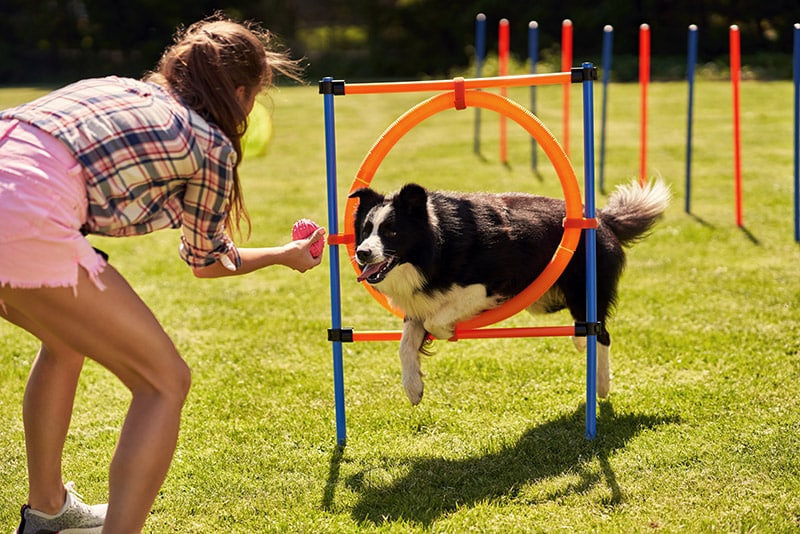
If treats are a bust, toys can be a game-changer. The key is to identify toys that your dog finds irresistibly fun. High-value toys trigger the release of dopamine in the brain, creating a positive association with the desired behavior. Rotate toys to keep things fresh and exciting. The best toys should be reserved exclusively for training sessions to maintain their novelty and appeal.
3. The Power of Praise: Leveraging Attention and Affection for Positive Reinforcement
For attention-loving dogs, praise and physical affection can be incredibly rewarding. Verbal praise and petting stimulate the release of oxytocin, the "love hormone," which strengthens the bond between you and your dog. Use a cheerful tone and enthusiastic body language to convey your approval. Combine praise with physical affection, such as gentle petting or scratching behind the ears, to create a multi-sensory reward experience.
4. Keeping Training Fun and Positive for Improved Results
Training should be a positive experience for both you and your dog. A fun and engaging training environment reduces stress and anxiety, promoting better learning and retention. Use a playful tone, incorporate games, and celebrate even small successes. End each session on a high note to leave your dog with a positive association with training.
5. Canine Communication: Reading Your Dog's Body Language During Training
Paying attention to your dog's body language is mission-critical for effective training. Body language provides valuable insights into your dog's emotional state, allowing you to adjust your approach accordingly. Signs of stress, such as panting, lip licking, or whale eye (when the whites of the eyes are visible), indicate that your dog is feeling overwhelmed or uncomfortable. Boredom or disinterest may manifest as yawning, looking away, or decreased responsiveness.
6. When to Call in the Pros: Consulting a Trainer or Veterinarian for Guidance
If you're struggling to train your dog without treats, don't hesitate to seek professional help. A qualified dog trainer can provide personalized guidance and address specific behavioral challenges. A veterinarian can rule out any underlying medical conditions that may be affecting your dog's appetite or behavior. Look for a trainer who uses positive reinforcement methods and has experience working with dogs who are not food-motivated.
7. Consistency is Key: Maintaining Consistent Expectations for Long-Term Success
Consistency is the bedrock of effective dog training, regardless of the rewards you use. Using the same cues and commands every time helps your dog understand what is expected of them. Rewarding desired behaviors promptly and consistently reinforces the association between the behavior and the reward. Inconsistency can confuse your dog and hinder their progress.
Final Thoughts
Training a dog without treats requires creativity, patience, and a deep understanding of your dog's individual needs. By focusing on positive reinforcement and tapping into your dog's intrinsic motivators, you can create a rewarding and effective training experience for both of you. Remember, the goal is to build a strong bond with your dog based on trust and mutual respect.