

Active vs. Passive Dog Training: A Complete Guide to a Well-Behaved Pup
Here's a fact that bites: most dog owners think training happens only during those 15-minute treat-fueled sessions. But honestly? Your dog is learning every second of the day. Ignoring this 'passive training' is like only studying half the material for a mission-critical exam. Let's get it right.
For Busy Owners: Active training is structured with specific goals. Passive training is continuous, shaping behavior through everyday interactions. Both are non-negotiable for a well-adjusted dog.
Why is My Dog Still Misbehaving? Active vs. Passive Training Explained
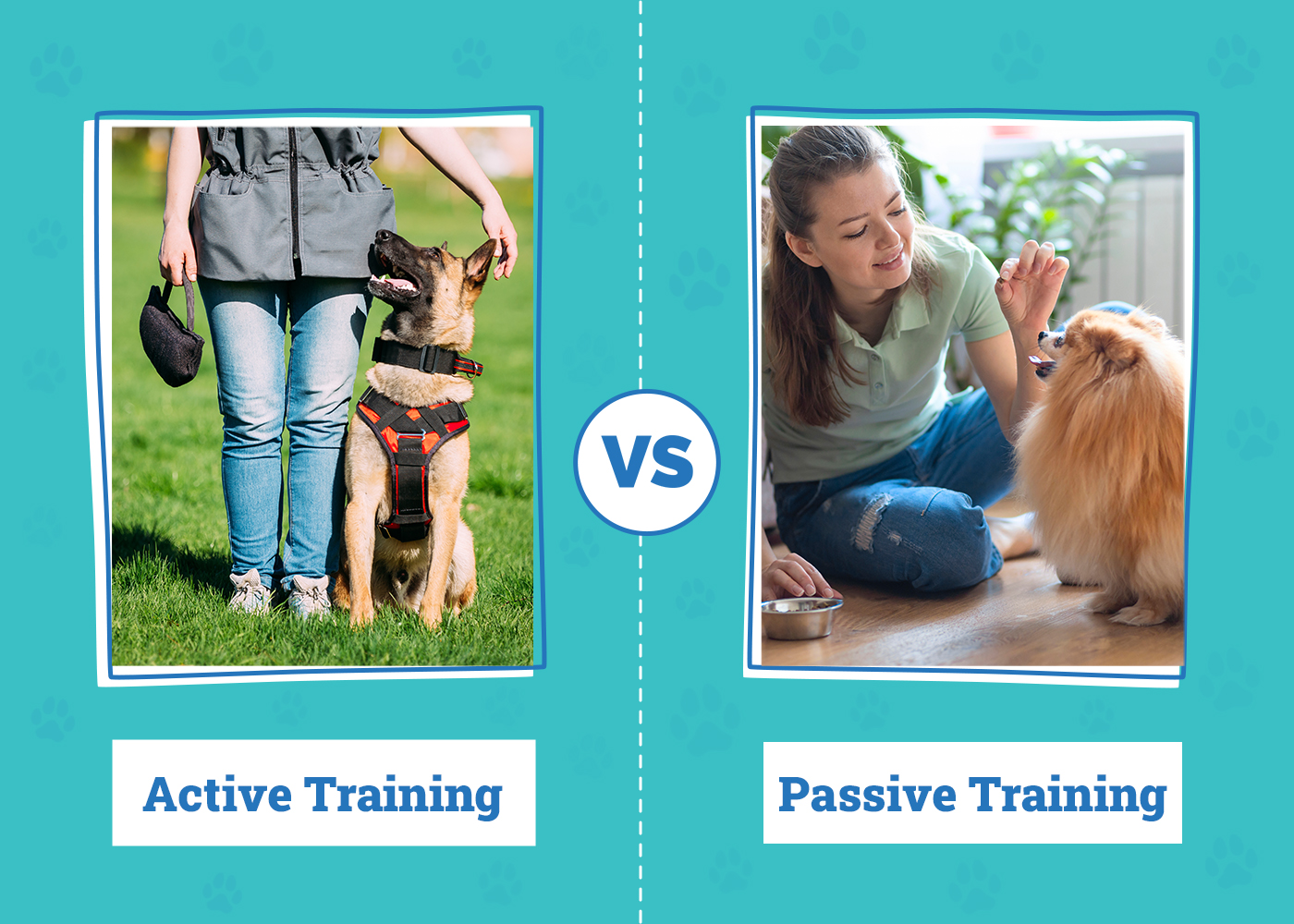
Active dog training is the structured stuff: classes, commands, and treat rewards. Passive dog training? That's the constant, often unconscious, influence you have on your dog's behavior every minute of every day. Think of it as the difference between attending a lecture and living in a culture – both shape who you become.
Active training is what most people envision when they think about dog training. It involves dedicated sessions with specific goals, like teaching a dog to sit, stay, or come when called. These sessions often involve a professional trainer or a dedicated owner who uses positive reinforcement, such as treats and praise, to reward desired behaviors. The biological mechanism at play here is the release of dopamine in the dog's brain when they successfully perform the desired action and receive a reward. This dopamine surge strengthens the neural pathways associated with that behavior, making it more likely to be repeated. Think classical and operant conditioning. I can’t tell you how many times I’ve seen owners focus on this, and ONLY this.
How Active Training Builds Good Habits
Active training sessions are usually short and focused, typically lasting 10-20 minutes. This aligns with a dog's attention span. The goal is consistent success, which helps build positive associations with commands and behaviors. Active training relies on principles like luring (using a treat to guide the dog into a position) and shaping (rewarding successive approximations of a desired behavior). Tools like clickers can also be used as markers to signal the exact moment a dog performs the correct action. This is about focus and optimized learning.
The biological 'why' here relates to neuroplasticity – the brain's ability to reorganize itself by forming new neural connections throughout life. Active training strengthens these connections through repetition and positive reinforcement. Think of it like building muscle; consistent effort yields measurable results.
When is Active Dog Training Absolutely Necessary?
Active dog training is mission-critical for every dog, especially from a young age. While dogs have been domesticated for millennia, their natural instincts don't always align with human expectations. Active sessions provide a structured way to teach desired behaviors and address potential problem areas. It’s also invaluable for socialization. Exposing puppies to different sights, sounds, and people in a controlled environment helps them develop into well-adjusted adults. It’s also essential for establishing clear communication and boundaries, which reduces stress and anxiety for both the dog and the owner.
What is Passive Dog Training and How Does it Work?
Passive dog training is the continuous learning that happens outside of formal training sessions. It's about managing your dog's environment and interactions to reinforce good habits and prevent unwanted behaviors. Dogs are always learning, constantly associating actions with outcomes. Passive training focuses on how to leverage this constant learning to your advantage. It’s subtle. It’s nuanced. And it’s often missed.
Passive training is about being mindful of how you inadvertently reward or punish your dog's behavior throughout the day. For instance, if your dog jumps on you when you come home and you respond by petting them, you're reinforcing the jumping behavior. Even negative attention, like scolding, can be rewarding for some dogs because it's still attention. The biological mechanism at play here is the release of endorphins – natural mood boosters – when a dog receives attention, regardless of whether it's positive or negative. This can inadvertently reinforce undesirable behaviors.
Practical Examples of Passive Training in Daily Life
Passive training involves behavior management and creating firm boundaries. For example, you can teach your dog to only engage with visitors when they are calm and have all four paws on the ground. This involves ignoring your dog when they jump or bark and only giving them attention when they exhibit the desired behavior. Another aspect is preventing undesirable behaviors from happening in the first place. If your dog likes to chew on furniture, you might use baby gates to block access to those areas or provide them with plenty of appropriate chew toys. This reduces the opportunity for them to practice the unwanted behavior and receive satisfaction from it.
Think of it this way: Every interaction you have with your dog is a training opportunity. By being mindful of your actions and reactions, you can subtly shape your dog's behavior for the better.
How to Use Passive Training for Common Behavior Problems
Passive training can be particularly effective for addressing common behavior problems like excessive barking, leash pulling, and separation anxiety. For example, if your dog barks excessively when left alone, you can gradually acclimate them to being alone by starting with short periods of separation and gradually increasing the duration. Providing them with a safe and comfortable space, like a crate or bed, can also help reduce their anxiety. The biological 'why' here is related to the hypothalamic-pituitary-adrenal (HPA) axis, which is the body's stress response system. By gradually exposing your dog to being alone in a safe environment, you can help desensitize them to the stressor and reduce their anxiety levels. I tell my clients ALL the time – don’t give the dog a chance to rehearse the unwanted behavior!
Red Flags: When to Seek Professional Dog Training Advice
While active and passive training can address many behavioral issues, some situations require professional intervention. If your dog exhibits aggression towards people or other animals, it's non-negotiable to consult with a certified professional dog trainer or veterinary behaviorist. Aggression can be caused by various factors, including fear, anxiety, and territoriality, and it's important to identify the underlying cause to develop an effective treatment plan. Other red flags include sudden changes in behavior, such as increased anxiety or destructiveness, which could indicate an underlying medical condition. In these cases, it's mission-critical to consult with your veterinarian to rule out any medical causes.
Home-Care Hacks: Simple Ways to Boost Your Dog's Training
Here are a few simple, low-cost home-care hacks to boost your dog's training:
- Use puzzle toys: Puzzle toys provide mental stimulation and can help prevent boredom and destructive behavior.
- Practice recall in a safe area: Regularly practice calling your dog back to you in a safe, enclosed area. This reinforces the recall command and strengthens your bond.
- Create a consistent routine: Dogs thrive on routine. Establishing a consistent schedule for feeding, walking, and playtime can help reduce anxiety and promote good behavior.
Conclusion: The Power of Consistent Dog Training
Both active and passive training are mission-critical for developing a well-behaved and happy dog. By combining structured training sessions with mindful behavior management in everyday life, you can create a nurturing environment that promotes positive habits and strengthens your bond with your furry friend. It's not always easy, but the rewards are immeasurable.