

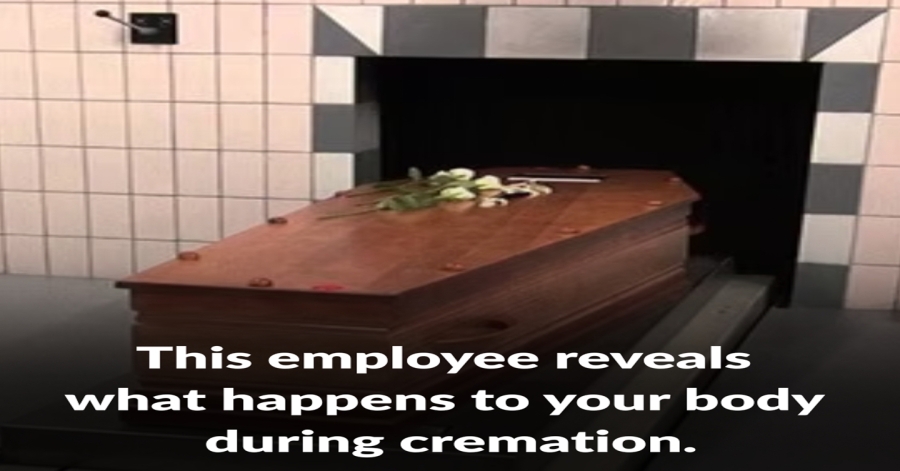
Cremation has become an increasingly popular choice, offering a modern alternative to traditional burials. A 2018 study by the **PFG Foundation** found that **59% of French citizens** prefer cremation—a trend mirrored in other countries where people value its speed, convenience, and often lower cost compared to conventional funerals.
Yet, despite its growing acceptance, many still have questions about what actually happens during cremation.
### **Demystifying Cremation: Straightforward Answers**
Misconceptions about cremation persist, prompting **Lauren**, a former funeral home employee turned social media educator, to share insider knowledge. With over **2.5 million followers** on platforms like TikTok (@lovee.miss.lauren), she provides honest, unfiltered insights into death care practices.
### **What Really Happens to the Body During Cremation?**
One of the most common concerns families have is:
**"How do I know the ashes I receive are truly my loved one’s?"**
Lauren explains that strict protocols are in place:
- The body is tagged with a **metal identification plate** bearing a unique number.
- This plate stays with the remains **throughout the entire cremation process**.
- After cremation, the ashes are placed in a sealed bag labeled with the matching ID, and a **certificate of cremation** is issued, confirming the deceased’s name and registration details.
This system ensures **traceability and respect** for the deceased.
### **Unusual but Important Questions**
Lauren fields all kinds of inquiries—some practical, others more unexpected. One follower asked:
**"If a woman dies while wearing a tampon, is it removed before cremation?"**
Her response:
- In most cases, especially if the death is sudden or involves an autopsy, the tampon is **removed** (with family consent).
- If embalming is performed, hygienic preparation includes the removal of such items.
- Funeral professionals follow **strict ethical guidelines** to treat the deceased with dignity.
### **Key Takeaways for Those Considering Cremation**
If you or a loved one are thinking about cremation, keep these points in mind:
✔ **Educate yourself beforehand** – Discuss the process with a funeral director to understand identification and handling procedures.
✔ **Request a cremation certificate** – This official document verifies the ashes’ identity.
✔ **Explore ash preservation options** – Traditional urns, memorial jewelry, or scattering in a meaningful location are all possibilities.
✔ **Communicate your wishes** – Make your preferences clear to family members to avoid rushed decisions later.
### **Final Thoughts**
Though death remains a sensitive topic for many, **understanding the process** can bring peace of mind. Cremation, like any end-of-life choice, should be handled with **transparency, respect, and care**. Thanks to voices like Lauren’s, people can approach these discussions with **clarity and maturity**—because talking about death isn’t morbid; it’s a natural part of life.