

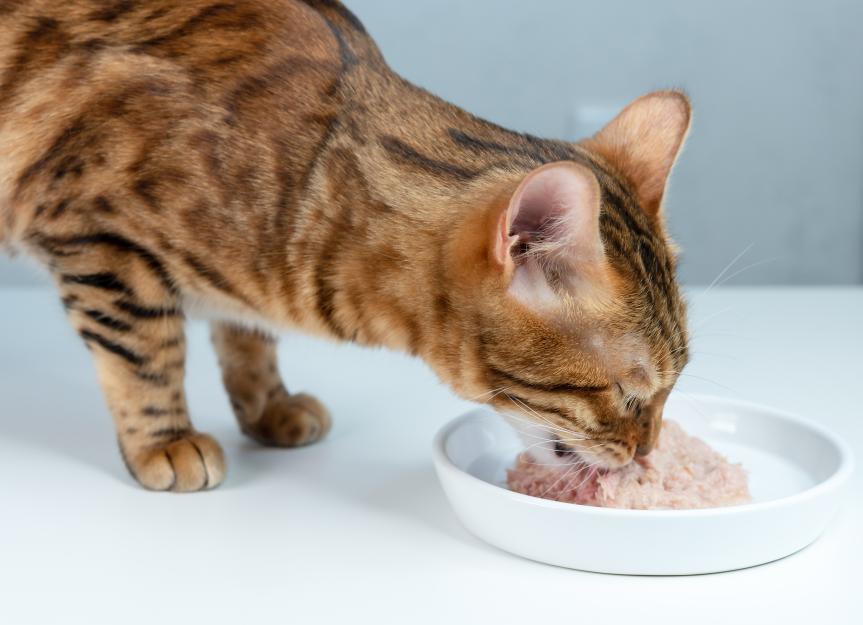
The Ultimate Wet Cat Food Feeding Guide: Portions, Schedules, and Expert Tips
Here's a fact that might make you rethink your cat's diet: cats eating *only* dry food are chronically dehydrated. I see it all the time in the exam room. Wet food isn't just a treat; it's often a non-negotiable for kidney health. So, how do you navigate the world of pate vs. shreds?
For Busy Owners: The right amount of wet food depends on your cat's age, weight, and activity level. As a general guide, a 10-pound adult cat might need around 3 cans (2.5-3 oz each) of wet food daily if that's their only food source. Always adjust based on your vet's recommendations and your cat's individual needs.
How Much Wet Food Should I Feed My Cat Daily? A Practical Feeding Guide
The amount of wet food a cat needs daily hinges on several factors, including their life stage and activity level. Overfeeding can quickly lead to obesity, while underfeeding leaves your cat without the vital nutrients they need. Finding the right balance is mission-critical.
Many pet food manufacturers offer guidelines on their wet food packaging. For instance, a brand like Farmina® might suggest around 3.25 cans of their N&D Prime Chicken & Pomegranate wet food for a 10-pound cat. But honestly, these are *just* guidelines.
I tell my clients that every cat is unique. A cat's metabolism is not just about age and weight. Genetics play a massive role, influencing everything from basal metabolic rate to how efficiently they process nutrients. Cats with hyperthyroidism, for example, often have a ramped-up metabolism due to excessive thyroid hormone (T4) production, leading to increased appetite and caloric needs. So, where do we start?
- Age: Growing kittens require significantly more calories than adult cats to support rapid tissue development and bone growth. This is because their bodies are actively synthesizing new proteins and requiring higher levels of essential amino acids like taurine and arginine.
- Weight: A larger cat naturally requires more energy to maintain muscle mass and support organ function. Their body surface area, which correlates with heat loss, is also greater.
- Activity Level: A cat that spends its days scaling cat trees and chasing laser pointers will burn more calories than a couch potato. More activity means a higher demand for adenosine triphosphate (ATP), the cellular energy currency.
- Pregnant or Nursing Cats: Gestation and lactation are energy-intensive processes. Pregnant cats need extra calories to support fetal development, while nursing cats require even more to produce milk. The mammary glands become metabolic powerhouses, demanding increased glucose and fatty acids.
- Spay/Neuter Status: Neutering or spaying causes a drop in sex hormone production (estrogen and testosterone), which can reduce metabolic rate by approximately 30%. This is linked to changes in appetite-regulating hormones like leptin and ghrelin.
Wet Food Feeding Chart for Cats: A Quick Reference
The following chart offers a starting point for how much to feed your cat, assuming the wet food contains around 90 calories per 2.5-ounce can and is the sole source of nutrition. Remember, this is a rough estimate; always consult with your veterinarian for tailored advice.
| Cat's Weight | Kitten | Lean Cat | Overweight Cat | Pregnant | Nursing |
|---|---|---|---|---|---|
| 5 pounds | 320 calories 3.5 cans | 160 calories 1.75 cans | 130 calories 1.5 cans | 260 calories 2.75 cans | 260 calories 2.75 cans |
| 10 pounds | 550 calories 6 cans | 275 calories 3 cans | 220 calories 2.5 cans | 450 calories 5 cans | 450 calories 5 cans |
| 15 pounds | 720 calories 8 cans | 360 calories 4 cans | 300 calories 3.25 cans | 585 calories 6.5 cans | 585 calories 6.5 cans |
| 20 pounds | 880 calories 9.75 cans | 440 calories 5 cans | 370 calories 4 cans | 715 calories 8 cans | 715 calories 8 cans |
Let’s consider a scenario: a 5-pound kitten would require around 3.5 cans daily of a kitten-specific wet food like Farmina N&D Prime Chicken & Pomegranate Kitten Food (2.46-ounce cans). Conversely, a 10-pound overweight adult cat may only need 2.5 cans of something like Farmina N&D Prime Lamb & Blueberry Wet Cat Food (2.46-ounce cans) daily.
What's the Best Wet Food Feeding Schedule for My Cat?
The frequency of wet food meals depends on whether it’s the cat's sole diet or a supplement. If wet food is the only food source, divide the daily amount into two or three meals. If supplementing with dry food, wet food might be offered once or twice a day.
Here's the deal: portion control is non-negotiable. I've seen too many cats come in with obesity-related diabetes because owners weren't tracking calories. Always account for treats, too. Those little crunchy temptations add up!
Some cats may only need wet food during specific circumstances. For example, cats experiencing dental issues or nasal congestion might benefit from the softer texture and enhanced aroma of wet food. The increased moisture can also ease swallowing and stimulate appetite when their sense of smell is compromised due to inflammation of the nasal turbinates.
Why is Wet Food Important for Cats? Unveiling the Benefits
Wet food offers numerous advantages, from improved hydration to appetite stimulation and weight management. It can be an essential part of a cat’s diet, providing enhanced nutrition and supporting overall health. Let's break down the "why."
Hydration Boost
Wet food boasts approximately 70% more water content than dry kibble. Cats aren’t always the best at drinking water, so wet food is a stealthy hydration hack. The high moisture content supports kidney function by promoting increased glomerular filtration rate (GFR), which helps flush out metabolic waste products like creatinine and urea.
High moisture content aids in digestion, prevents constipation (alleviating those rock-hard fecaliths), and supports urinary health by diluting urine. This reduces the risk of crystal formation, such as struvite or calcium oxalate crystals, which can lead to feline lower urinary tract disease (FLUTD).
Wet food can be incredibly beneficial for cats with chronic kidney disease (CKD). These cats often have reduced ability to concentrate their urine due to nephron damage, and the extra moisture in wet food helps compensate for this, preventing dehydration and azotemia.
Appetite Stimulation
Wet food is known for its palatability, thanks to its intense aroma and flavor. This can stimulate appetite, which is especially critical for picky eaters or cats experiencing appetite loss (anorexia). The volatile organic compounds (VOCs) released from wet food trigger olfactory receptors, sending signals to the brain that stimulate hunger. Plus, the soft texture is easier on sensitive gums.
Weight Management Assistance
Wet food generally contains fewer calories per volume compared to dry food. This makes it an effective tool for weight management. Cats can eat a larger portion of wet food while consuming fewer calories, promoting satiety without excess energy intake. This is particularly useful for cats with a genetic predisposition to obesity, such as those with variations in the melanocortin 4 receptor (MC4R) gene, which regulates appetite.
Enrichment and Enjoyment
Wet cat food comes in various textures and flavors, offering sensory enrichment and a pleasurable eating experience. This can be particularly beneficial for indoor cats that lack environmental stimulation.
Chewing Made Easier
Wet food can be a lifesaver for cats with severe dental disease. The soft texture allows them to eat more comfortably, even after extensive tooth extractions. The lack of hard kibble reduces the risk of oral pain and inflammation, ensuring they maintain balanced nutrition.
Lower Carb Content
Wet food often contains fewer carbohydrates than dry food, making it a suitable choice for cats with diabetes. A low-carbohydrate diet helps regulate blood glucose levels and reduces the need for exogenous insulin. High carbohydrate intake can lead to postprandial hyperglycemia and exacerbate insulin resistance.
How to Choose the Right Wet Cat Food: Key Considerations
When selecting wet cat food, prioritize companies that invest in research and conduct feeding trials. This ensures their diets perform as intended. Transitioning to a new food should be gradual, spanning one to two weeks, to prevent gastrointestinal upset. I usually tell my clients to start with a 25/75 mix, then slowly increase the new food over time.
Life Stage
Choosing food appropriate for your cat’s life stage ensures their specific nutritional needs are met. Kitten food, like Farmina N&D Prime Chicken & Pomegranate, is formulated to support growth. Adult diets, such as Farmina N&D Ocean Sea Bass, Sardine & Shrimps, meet the needs of mature cats.
Ingredients: The Building Blocks of Health
Cats require specific nutrients, including protein, fat, vitamins, minerals, carbohydrates, and water. Protein supports cell growth and repair. Protein sources include fish and chicken, with novel proteins like wild boar (found in Farmina’s N&D Prime Wild Boar & Apple) for cats with allergies.
Fats, like fish oil, provide energy and essential fatty acids. Vitamins and minerals support overall health. Carbohydrates offer energy, but cats have relatively low carbohydrate needs, deriving most energy from protein and fats. The Association of American Feed Control Officials (AAFCO) nutritional adequacy statement ensures the diet is complete and balanced for your cat’s life stage.
Health Conditions: Tailored Nutrition
Cats with specific health conditions may benefit from veterinary diets, formulated to manage those conditions and available only with veterinary authorization. Two common conditions include:
Lower Urinary Tract Disease: Diets like Farmina’s Vet Life Urinary ST Management prevent urinary stones.
Kidney Disease: Diets like Farmina’s Vet Life Cat Renal Recipe reduce the kidneys’ workload.
Veterinary diets may also aid cats recovering from illness, like Farmina’s Vet Life Recoup Recipe, which is palatable, digestible, and energy-rich.
Texture Preferences
Wet cat food comes in shredded, chunks in broth or gravy, pâté, and puree textures. Determining your cat’s preferred texture may require some experimentation. Some cats are pâté fanatics, while others demand gravy – go figure.
Tips for Serving Wet Cat Food: Temperature and Timing
Cats have individual preferences for how they enjoy wet food. Some prefer it cold, straight from the refrigerator, while others like it at room temperature. Warming it in the microwave can enhance flavor and scent, making it more appealing. This is especially beneficial for cats with nasal congestion, as it releases aromas that might be difficult for them to smell otherwise.
If warming the food, always check the temperature to avoid burns. Avoid repeated overheating, which can degrade nutrients and alter texture. Discard uneaten wet food within two hours to prevent spoilage.
Proper Storage of Wet Cat Food: Keeping it Fresh
Here are tips for storing wet cat food:
- Store unopened wet cat food in a cool, dark location.
- Check the expiration date.
- Cover opened cans with an airtight lid and refrigerate at 37 degrees Fahrenheit or below.
- Discard open, unused food after three days.
Frequently Asked Questions About Wet Cat Food
Can I overfeed my cat wet food?
Yes, overfeeding wet food can cause weight gain, obesity, and related health issues. Refer to manufacturer guidelines, but remember that individual needs vary.
Your veterinarian is the best resource for determining the appropriate food amount for your cat.
What is the best ratio of wet food to dry food for cats when feeding both types of food?
Some pet parents feed both wet and dry food, either mixed or separately. A general rule is 2/3 wet food to 1/3 dry food, but consult your vet for the right ratio.
Mixing can make calorie tracking difficult, so seek veterinary guidance to avoid over or underfeeding.
How long can wet cat food sit out?
Wet cat food should not sit out for more than two hours at room temperature to prevent bacterial growth.
This sponsored article was paid for by Farmina Pet Foods. All opinions within belong to Farmina.