

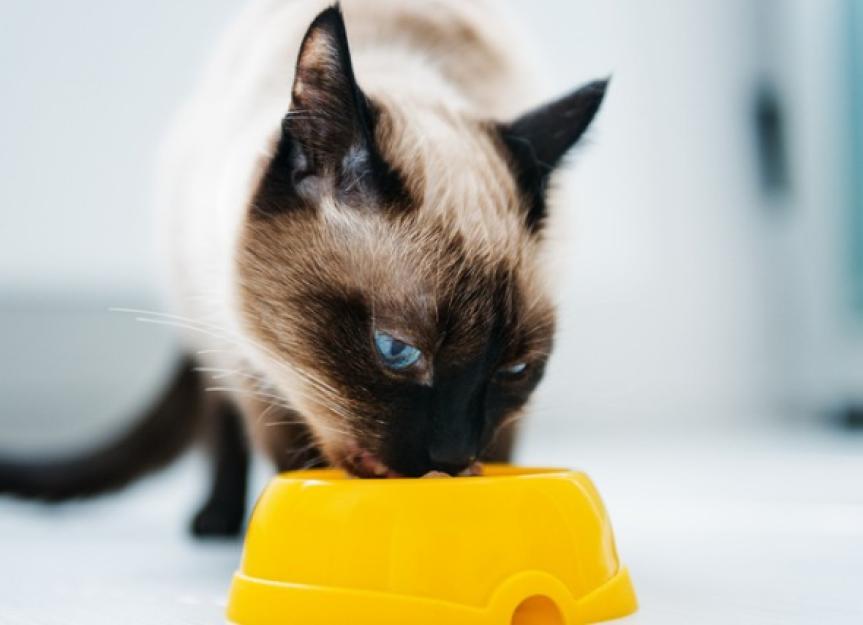
Freeze-Dried Cat Food: Is It a Safe & Healthy Choice?
Here's a fact that might make you rethink your cat's diet: even the most expensive freeze-dried food isn't automatically healthier. In fact, raw diets carry risks that many owners completely miss, even when they think they're making a top-tier choice.
For Busy Owners: Freeze-dried cat food is raw food with the moisture removed for longer shelf life. While convenient, it carries risks of bacterial contamination and nutritional imbalance. Always consult a vet for the safest dietary choices for your cat.
Is Freeze-Dried Cat Food Safe for My Cat?
Freeze-drying involves freezing food and then placing it in a vacuum, causing the water to sublimate (transition from ice to vapor). The food is then sealed in airtight packaging, removing moisture and extending shelf life. While seemingly convenient, the critical question is whether this process makes it a risk-free choice for your feline friend.
Honestly, the appeal is understandable. In the exam room, I often hear owners say they want to give their cats the most 'natural' diet possible. But 'natural' doesn't automatically equal 'safe' or 'healthy.' Let's get into the details.
The Clinical Perspective (Biological 'Why')
The safety concern stems from the fact that freeze-dried cat food is essentially raw food. Raw food, by its very nature, hasn't been cooked to kill off potentially harmful bacteria. Cats have shorter digestive tracts than humans, so some argue that they are more resistant to food-borne pathogens. However, this is a dangerous oversimplification. While their gut flora might handle some bacteria better than ours, the risk is still very real.
Consider the gut microbiome. A healthy gut is a diverse ecosystem of bacteria, both beneficial and harmful. When a cat ingests contaminated raw food, it can disrupt this balance. Pathogenic bacteria like E. coli or Salmonella can overwhelm the beneficial bacteria, leading to gastrointestinal upset – think vomiting, diarrhea (often with increased borborygmi, or gurgling stomach noises), and dehydration. In severe cases, this can lead to systemic infection (sepsis), especially in kittens or senior cats with weakened immune systems. And don't forget about the risk of zoonotic diseases. These are diseases that can be transmitted from animals to humans. Handling contaminated raw food can put you and your family at risk, especially if you have young children, pregnant women, or immunocompromised individuals in your household.
Home-Care Hacks (Low-Cost, Practical Tips)
- Hygiene is non-negotiable: Treat raw food like raw chicken. Wash your hands thoroughly with soap and water after handling it. Disinfect all surfaces and bowls that come into contact with the food.
- Small Batches: Prepare only what your cat will eat in one sitting to minimize bacterial growth.
- Source Wisely: If you insist on feeding freeze-dried raw, choose reputable brands that conduct rigorous testing for pathogens. Look for certifications or seals of approval from recognized veterinary organizations.
The Red Flag Checklist (When to Panic vs. When to Wait)
- Diarrhea or Vomiting: If your cat develops diarrhea or vomiting after eating freeze-dried food, monitor them closely. If it persists for more than 24 hours, or if they show other signs of illness (lethargy, loss of appetite), see your veterinarian immediately.
- Fever: A fever is a sign of systemic infection. If your cat feels warm to the touch or has other signs of illness, take their temperature rectally (if you know how) or take them to the vet.
- Neurological Signs: In rare cases, bacterial infections can affect the nervous system, leading to ataxia (wobbly gait), seizures, or other neurological signs. This is a medical emergency.
How Does Freeze-Dried Cat Food Differ From Raw and Dehydrated Cat Food?
The major difference lies in the processing. Freeze-dried food undergoes sublimation, while dehydrated food uses low heat to remove moisture. Raw food, of course, undergoes no processing at all. This impacts safety, nutritional content, and shelf life.
The Clinical Perspective (Biological 'Why')
Dehydration, while using heat, doesn't reach temperatures high enough to kill most pathogens. So, dehydrated food still carries a risk, albeit potentially lower than raw. Freeze-drying, while effective at removing moisture, doesn't guarantee complete pathogen elimination either. Certain resilient bacteria and parasites can survive the process. This is why even freeze-dried raw food can pose a threat, especially to vulnerable cats. The removal of moisture does extend the shelf life by reducing water activity (aw) which is needed for bacterial growth. The lower the aw, the longer the shelf life and reduced risk of spoilage from bacteria and molds.
Home-Care Hacks (Low-Cost, Practical Tips)
- Read Labels Carefully: Pay attention to the 'best by' date and storage instructions.
- Rehydrate Properly: If the freeze-dried food requires rehydration, use purified water. Avoid tap water, which can contain its own set of contaminants.
- Don't Mix and Match: Avoid mixing raw or freeze-dried food with kibble. This can increase the risk of bacterial contamination of the kibble.
The Red Flag Checklist (When to Panic vs. When to Wait)
- Bloating: If your cat's abdomen appears distended or firm, it could be a sign of bacterial overgrowth in the gut. Seek veterinary attention.
- Lethargy: A decrease in activity level can be a subtle sign of illness. If your cat is unusually tired or withdrawn, monitor them closely.
- Changes in Appetite: A sudden loss of appetite can indicate a problem. If your cat refuses to eat for more than 24 hours, consult your veterinarian.
What Are The Nutritional Concerns With Freeze-Dried Raw Cat Food?
Even if a freeze-dried diet manages to avoid bacterial contamination, there's still the risk of nutritional imbalances. Cats have very specific dietary needs, and it's easy to get it wrong, especially with homemade raw diets.
The Clinical Perspective (Biological 'Why')
Cats are obligate carnivores, meaning they require nutrients found primarily in animal tissues. They need high levels of protein, moderate levels of fat, and minimal carbohydrates. They also need specific amino acids like taurine, which is crucial for heart and eye health. A deficiency in taurine can lead to dilated cardiomyopathy (DCM), a life-threatening heart condition, or retinal degeneration, which can cause blindness. Raw diets, especially homemade ones, are often deficient in taurine and other essential nutrients. Furthermore, the bioavailability of certain nutrients can be affected by the raw state of the food. For example, some minerals may be bound by phytates in raw plant matter, making them less absorbable. This is why it's so mission-critical to ensure that any raw diet, freeze-dried or otherwise, is formulated by a board-certified veterinary nutritionist.
Home-Care Hacks (Low-Cost, Practical Tips)
- Look for AAFCO Statement: Make sure the food is labeled as 'complete and balanced' by the Association of American Feed Control Officials (AAFCO). This means it meets the minimum nutritional requirements for cats.
- Consult a Vet Nutritionist: If you're considering a homemade raw diet, work with a board-certified veterinary nutritionist to formulate a balanced recipe.
- Monitor Coat and Skin: A dull coat or skin problems like pruritus (itching) can be signs of nutritional deficiencies.
The Red Flag Checklist (When to Panic vs. When to Wait)
- Weight Loss: Unexplained weight loss is a serious concern. It could indicate a deficiency in calories or essential nutrients.
- Muscle Wasting: Loss of muscle mass can be a sign of protein deficiency.
- Lethargy: As mentioned earlier, lethargy can be a sign of many things, including nutritional deficiencies.
How Should I Prepare and Store Freeze-Dried Cat Food Safely?
Proper handling and storage are absolutely mission-critical to minimize the risk of contamination. Even the best freeze-dried food can become a health hazard if mishandled.
The Clinical Perspective (Biological 'Why')
Bacteria thrive in warm, moist environments. Leaving freeze-dried food out at room temperature for extended periods provides the perfect conditions for bacterial growth. Similarly, improper storage can lead to contamination from other sources. Always follow the manufacturer's instructions for storage and handling. And remember, when in doubt, throw it out. It's better to waste a little food than risk your cat's health.
Home-Care Hacks (Low-Cost, Practical Tips)
- Use Clean Bowls: Wash food and water bowls daily with hot, soapy water.
- Refrigerate Promptly: If the food needs to be rehydrated, refrigerate any leftovers immediately. Discard after 24 hours.
- Avoid Cross-Contamination: Use separate cutting boards and utensils for raw food and human food.
The Red Flag Checklist (When to Panic vs. When to Wait)
- Foul Odor: A strong, unpleasant odor is a sign of spoilage. Do not feed the food to your cat.
- Visible Mold: If you see mold growing on the food, discard it immediately.
- Swollen Packaging: Swollen or bulging packaging can indicate bacterial growth inside the container.