

The Ultimate Dog-Friendly Canada Travel Guide: 10 Destinations Your Pup Will Adore
Here's a truth bomb I often drop in the exam room: Thinking Canada is all about wide-open spaces for dogs is only half the story. Sure, there's wilderness, but finding truly welcoming spots requires a bit of insider knowledge. Many places *say* they're dog-friendly but lack the practical amenities that make a trip enjoyable for both you and your four-legged pal.
For Busy Owners: Canada boasts many dog-friendly vacation spots, from Vancouver's trails to Banff's lakeside patios. Research local regulations and pet policies before you go. Always prioritize your dog's safety and comfort, ensuring they are leashed in non-designated areas.
Why Vancouver, BC, is a Top Dog-Friendly Getaway?
Vancouver is a prime choice for dog owners due to its numerous parks and trails. Leashes are typically required unless in specified off-leash zones. The city offers a blend of urban exploration and outdoor activities perfect for dogs and their owners. Think of it as the San Francisco of Canada, but with even more evergreens.
The Clinical Perspective: Vancouver's appeal extends beyond aesthetics. The city's commitment to green spaces directly impacts canine health. Regular exercise on trails like Cypress Falls Park helps maintain cardiovascular fitness, combating the rise in canine obesity. The varied terrain also promotes proprioception, crucial for preventing age-related mobility issues as dogs enter their senior years. I can't tell you how many times I've told clients that a daily walk is as crucial as their dog's heartworm preventative.
Things to Do: Explore Cypress Falls Park or Skyline Trail. Stanley Park has a fenced off-leash area. Check out Off-Leash Dog Beach and Burrard Street Bridge.
Home-Care Hacks: Before hitting the trails, condition your dog's paws with a paw wax to prevent abrasions. Carry a portable water bowl and clean water to avoid dehydration, especially on warmer days. Familiarize yourself with local emergency vet clinics, just in case.
The Red Flag Checklist: Watch for excessive panting, limping, or reluctance to continue walking. These are signs of overexertion or injury. Foxtails and ticks are common in certain areas; check your dog thoroughly after each outing. If your dog exhibits vomiting or diarrhea, seek veterinary attention promptly.
Banff, Alberta: Is it Really a Dog-Friendly National Park?
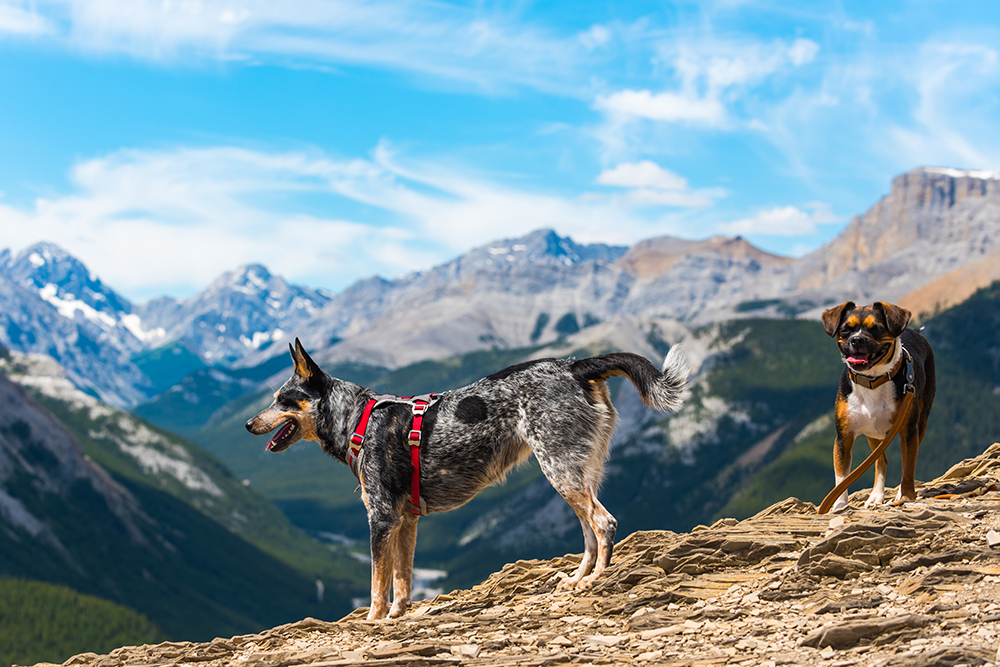
Banff National Park welcomes dogs in most areas, offering trails for various fitness levels. Dogs must be leashed, and owners are responsible for waste disposal. The park provides a unique opportunity for dogs to experience natural beauty alongside their owners. But be warned, it's not all sunshine and rainbows.
The Clinical Perspective: The altitude in Banff can pose challenges. At higher elevations, reduced oxygen levels can exacerbate underlying cardiac or respiratory conditions. Brachycephalic breeds (like Bulldogs) are especially vulnerable. The park's glacial lakes, while beautiful, can cause hypothermia even in summer months. Always monitor your dog for signs of distress, such as rapid breathing or weakness.
Things to Do: Hike Marsh Loop or Fenland Trail. More adventurous can try Lake Agnes Trail. Rent a canoe, kayak, or stand-up paddleboard.
Home-Care Hacks: Invest in a doggy life vest if you plan on water activities. Acclimatize your dog gradually to the altitude, starting with shorter walks at lower elevations. Pack a canine first-aid kit, including antiseptic wipes, bandages, and pain medication (prescribed by your veterinarian).
The Red Flag Checklist: Be wary of wildlife encounters. Keep your dog on a short leash in areas known for bears or elk. If your dog is bitten by an insect or develops hives, administer an antihistamine (diphenhydramine) and seek veterinary care if symptoms worsen.Kawartha Lakes, Ontario: Can You Really Find a Quiet Cottage Vacation With Your Dog?
Kawartha Lakes provides a cottage-country escape with numerous lakes and trails. Leashes are mandatory on trails, but off-leash dog parks are available. The area combines relaxation with outdoor activities, perfect for a laid-back vacation. But don't expect a five-star canine experience.
The Clinical Perspective: The abundance of water bodies in Kawartha Lakes increases the risk of waterborne illnesses like leptospirosis and blue-green algae toxicity. Ensure your dog is vaccinated against leptospirosis. Avoid allowing your dog to drink from stagnant water sources. Blue-green algae blooms can release potent toxins, causing liver damage and neurological signs. If you suspect exposure, contact your veterinarian immediately.
Things to Do: Explore the Ken Reid Conservation Area. Visit Kawartha Settlers’ Village. Check out the Old Dog Brewing Company.
Home-Care Hacks: Apply a waterproof tick and flea repellent before exploring wooded areas. Pack a canine-specific sunscreen to protect sensitive areas like the nose and ears. Bring a portable dog shower to rinse off after swimming, reducing the risk of skin infections.
The Red Flag Checklist: Watch for signs of heatstroke, such as excessive drooling, bright red gums, and disorientation. If your dog collapses or experiences seizures, seek immediate veterinary attention. Be aware of common poisonous plants in the area, such as poison ivy and wild mushrooms.
Mont Tremblant, Québec: A Dog-Friendly Ski Resort? Seriously?
Mont Tremblant offers year-round activities, including skiing and hiking. Dogs are allowed on some gondolas and in the pedestrian village. The resort provides a mix of adventure and relaxation, catering to active dogs and their owners. But be warned, your dog will be the odd-one-out on the slopes.
The Clinical Perspective: During winter months, exposure to de-icing salts can cause chemical burns on paw pads. Rinse your dog's paws thoroughly after walks on treated surfaces. In summer, the high humidity can exacerbate skin allergies and infections. Regular grooming and medicated shampoos can help manage these issues. The rapid temperature changes between indoor and outdoor environments can also trigger respiratory problems in susceptible dogs.
Things to Do: Hike Mount Larose. Ride the Panoramic Gondola. Explore the pedestrian village.
Home-Care Hacks: Invest in dog booties to protect paws from snow, ice, and salt. Apply a moisturizing paw balm to prevent cracking and dryness. Consider a doggy sweater or coat to provide extra warmth in cold weather.
The Red Flag Checklist: Be mindful of avalanche risks when hiking in mountainous areas. Keep your dog on a leash and avoid venturing off marked trails. If your dog shows signs of frostbite (pale, cold extremities), warm them gradually and seek veterinary care.
Whistler, British Columbia: More Than Just a Ski Town for Dogs?
Whistler is known for its dog-friendly atmosphere, with many trails and parks. Whistler Olympic Park offers extensive trails, and Whistler Village welcomes leashed dogs. The town combines outdoor recreation with urban amenities, making it ideal for dog owners. But let's be real, it's still a tourist trap.
The Clinical Perspective: The heavy snowfall in Whistler can lead to snow impaction between paw pads, causing discomfort and lameness. Trim the hair between your dog's toes regularly. The increased physical activity can also predispose dogs to joint injuries, especially in breeds prone to hip dysplasia or arthritis. Consider glucosamine and chondroitin supplements to support joint health.
Things to Do: Visit Whistler Olympic Park. Explore “Arfa” Lake Dog Area. Stroll through Whistler Village.
Home-Care Hacks: Use a dog-safe de-icer around your property to prevent salt exposure. Provide a warm, dry bed for your dog to rest after outdoor activities. Monitor your dog's weight to prevent obesity, which can worsen joint problems.
The Red Flag Checklist: Be aware of wildlife encounters, especially coyotes and bears. Keep your dog on a leash and avoid feeding wildlife. If your dog is injured, stabilize them and seek veterinary care promptly.
Halifax, Nova Scotia: East Coast Adventures for You and Your Pup?
Halifax offers a mix of recreational areas and scenic views. Point Pleasant Park allows off-leash dogs in most areas. The city provides a blend of history and outdoor activities, appealing to dog owners. But be warned, the ocean air can be a bit much for some pups.
The Clinical Perspective: The coastal environment in Halifax exposes dogs to higher levels of humidity and allergens, potentially exacerbating skin conditions. Regular bathing with hypoallergenic shampoos can help remove allergens. The risk of heartworm disease is also present in Nova Scotia, so ensure your dog is on a monthly preventative. The strong tides and currents can pose a drowning risk, so supervise your dog closely near the water.
Things to Do: Explore Point Pleasant Park. Visit York Redoubt National Historic Site. Check out Shubie Park.
Home-Care Hacks: Use a waterproof dog bed to prevent moisture buildup. Dry your dog thoroughly after swimming to prevent skin infections. Provide plenty of fresh water to combat dehydration.
The Red Flag Checklist: Be aware of jellyfish stings, which can cause localized pain and swelling. Rinse the affected area with vinegar and seek veterinary care if symptoms worsen. If your dog ingests seawater, watch for signs of vomiting or diarrhea.
Robinsons, Newfoundland & Labrador: A Remote Getaway That Welcomes Dogs?
Robinsons offers a relaxed vacation destination with deserted beaches and cliffs. Wells Farm Market is a local highlight. The village provides a quiet escape for dog owners seeking tranquility. But let's be honest, it's not exactly a bustling metropolis.
The Clinical Perspective: The remote location of Robinsons means limited access to veterinary care. Ensure your dog is up-to-date on all vaccinations and parasite preventatives before traveling. The rugged terrain can increase the risk of paw injuries, so pack a canine first-aid kit. The lack of streetlights can make nighttime walks hazardous, so use a reflective leash and collar.
Things to Do: Stroll on deserted beaches. Watch sunsets. Hike along the cliffs.
Home-Care Hacks: Pack extra food and water, as supplies may be limited. Bring a portable dog bed to ensure comfort in unfamiliar surroundings. Consider a GPS tracker in case your dog gets lost.
The Red Flag Checklist: Be aware of wildlife encounters, especially seabirds and marine mammals. Keep your dog on a leash and avoid disturbing their natural habitat. If your dog is bitten by a tick, remove it carefully and monitor for signs of Lyme disease.
Toronto, Ontario: Big City Adventures for Urban Dogs?
Toronto is Canada's largest city, with numerous dog owners. High Park offers green space, and the Haunted Walk is dog-friendly. The city combines urban exploration with outdoor opportunities. But be warned, it's not exactly a dog's paradise.
The Clinical Perspective: The urban environment in Toronto exposes dogs to higher levels of pollution and allergens, potentially exacerbating respiratory conditions. Air purifiers and hypoallergenic diets can help manage these issues. The risk of heatstroke is also elevated in the city during summer months, so avoid strenuous activity during peak hours. The high population density increases the risk of dog fights, so maintain control of your dog at all times.
Things to Do: Check out High Park. Book a trip on Kajama. Explore outdoor patios.
Home-Care Hacks: Use a dog-safe de-icer around your property to prevent salt exposure. Provide a warm, dry bed for your dog to rest after outdoor activities. Monitor your dog's weight to prevent obesity, which can worsen joint problems.
The Red Flag Checklist: Be aware of wildlife encounters, especially coyotes and raccoons. Keep your dog on a leash and avoid feeding wildlife. If your dog is injured, stabilize them and seek veterinary care promptly.
Victoria, British Columbia: A Blooming Paradise for Dogs and Their Owners?
Victoria is the capital of British Columbia and one of the most beautiful cities. The Butchart Gardens welcomes dogs, and Dallas Road offers a scenic walk. The city combines natural beauty with urban amenities, making it ideal for dog owners. But let's be real, it's still a tourist trap.
The Clinical Perspective: The mild climate in Victoria supports a longer allergy season, potentially exacerbating skin conditions in dogs. Regular bathing with hypoallergenic shampoos can help remove allergens. The risk of heartworm disease is also present in British Columbia, so ensure your dog is on a monthly preventative. The strong tides and currents can pose a drowning risk, so supervise your dog closely near the water.
Things to Do: Visit The Butchart Gardens. Walk along Dallas Road. Explore Arbutus Cove Park.
Home-Care Hacks: Use a waterproof dog bed to prevent moisture buildup. Dry your dog thoroughly after swimming to prevent skin infections. Provide plenty of fresh water to combat dehydration.
The Red Flag Checklist: Be aware of jellyfish stings, which can cause localized pain and swelling. Rinse the affected area with vinegar and seek veterinary care if symptoms worsen. If your dog ingests seawater, watch for signs of vomiting or diarrhea.
St. Andrew’s, New Brunswick: A Small Town With Big Dog-Friendly Charm?
St. Andrew's is a small town with Kingsbrae Garden and a rugged beach. The Gables Restaurant and Char and Chowder welcome dogs. The town provides a quiet escape for dog owners seeking tranquility. But let's be honest, it's not exactly a bustling metropolis.
The Clinical Perspective: The remote location of St. Andrew's means limited access to veterinary care. Ensure your dog is up-to-date on all vaccinations and parasite preventatives before traveling. The rugged terrain can increase the risk of paw injuries, so pack a canine first-aid kit. The lack of streetlights can make nighttime walks hazardous, so use a reflective leash and collar.
Things to Do: Visit Kingsbrae Garden. Stop at the beach. Explore the town on foot.
Home-Care Hacks: Pack extra food and water, as supplies may be limited. Bring a portable dog bed to ensure comfort in unfamiliar surroundings. Consider a GPS tracker in case your dog gets lost.
The Red Flag Checklist: Be aware of wildlife encounters, especially seabirds and marine mammals. Keep your dog on a leash and avoid disturbing their natural habitat. If your dog is bitten by a tick, remove it carefully and monitor for signs of Lyme disease.