

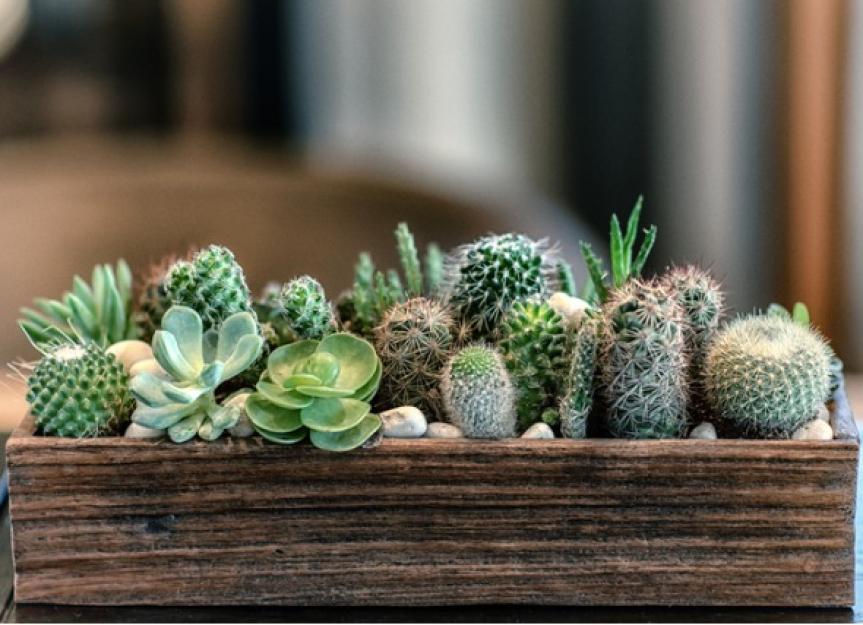
Are Succulents Poisonous to Cats and Dogs? A Vet's Guide
Here's a counter-intuitive fact from the exam room: even seemingly harmless succulents can pose a threat to your pets. I've seen it firsthand. Owners assume these trendy plants are safe, only to rush in with a vomiting, lethargic pet. The truth? Some succulents pack a toxic punch.
For busy owners, here’s the deal: some succulents are toxic to pets, causing everything from mild stomach upset to severe heart problems. Knowing which plants to avoid is mission-critical. If you suspect your pet has ingested a poisonous succulent, contact your veterinarian or a pet poison control center immediately.
Why is My Dog Suddenly Vomiting After Eating a Succulent? Identifying Toxic Succulents
Certain succulents contain compounds that can trigger a range of adverse reactions in dogs and cats. These reactions occur due to the plant's chemical composition interacting with the animal’s digestive and nervous systems. Recognizing these toxic varieties is the first step in protecting your pet. The severity of the reaction depends on the type and amount of succulent ingested, as well as the size and overall health of your pet.
The Clinical Perspective (Biological 'Why'): The toxic principles in succulents vary. Some contain irritant saps that cause localized inflammation and pain. Others, like Kalanchoe, contain cardiac glycosides that disrupt the normal rhythm of the heart by interfering with sodium-potassium pumps in cardiac muscle cells. This disruption can lead to arrhythmias and even cardiac arrest in severe cases.
Aloe Vera: The Soothing Succulent That Can Be Toxic to Pets
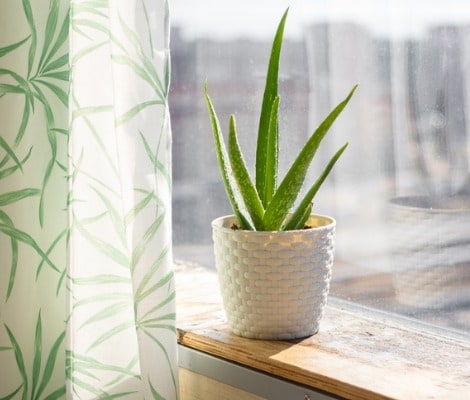
Aloe vera, while beneficial for humans, contains compounds called saponins that, when ingested by pets, can cause vomiting, diarrhea, lethargy, and even tremors. The gel inside the leaves is generally considered less toxic than the outer leaf layer, but both should be avoided. I’ve seen cases where well-meaning owners use aloe on their pet's skin, only to have the animal lick it off and develop GI issues.
The Clinical Perspective: Saponins are glycosides that have soap-like properties. When ingested, they irritate the lining of the gastrointestinal tract, leading to inflammation and increased mucus production. This irritation triggers the body's natural defense mechanisms, resulting in vomiting and diarrhea as the body attempts to expel the toxins. In severe cases, saponins can also affect the central nervous system, causing tremors and incoordination (ataxia, in vet-speak).
Kalanchoe: A Beautiful Blossom That Can Cause Heart Problems in Pets
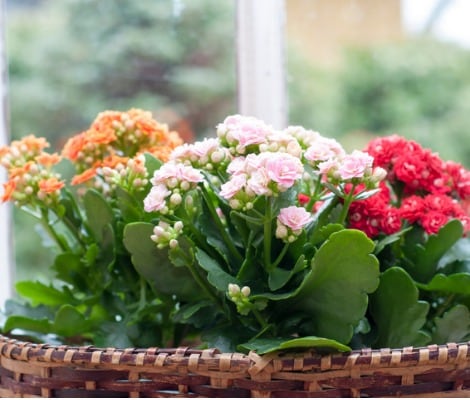
Kalanchoe plants are particularly dangerous due to the presence of cardiac glycosides. These toxins can cause not only gastrointestinal upset but also more severe issues like heart arrhythmias and even seizures. Even a small amount of ingested Kalanchoe can be life-threatening, so immediate veterinary attention is non-negotiable.
The Clinical Perspective: Cardiac glycosides, like those found in Kalanchoe, disrupt the sodium-potassium pump in heart muscle cells (myocytes). This disruption leads to an increase in intracellular sodium, which in turn causes an increase in intracellular calcium. The elevated calcium levels cause the heart to contract more forcefully but also irregularly, leading to arrhythmias. In severe cases, the heart can stop beating altogether.
Euphorbia: Handle with Care—This Succulent Irritates Skin and Stomach
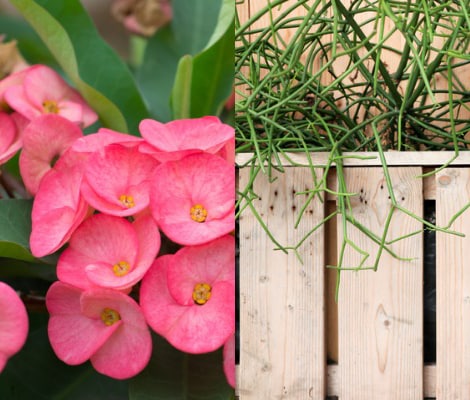
Euphorbia species contain a milky sap that is highly irritating to the skin, eyes, and mucous membranes. Ingestion can cause oral irritation, drooling, vomiting, and diarrhea. Contact with the skin can lead to dermatitis and blistering. I always advise clients to wear gloves and eye protection when handling these plants, even if they don't have pets.
The Clinical Perspective: The irritant sap in Euphorbia plants contains compounds called diterpenes. These compounds activate pain receptors and cause localized inflammation upon contact. When ingested, they irritate the lining of the gastrointestinal tract, triggering the release of inflammatory mediators. This inflammatory response leads to increased mucus production, vomiting, and diarrhea.
Jade: A Common Houseplant That Can Cause Incoordination in Pets
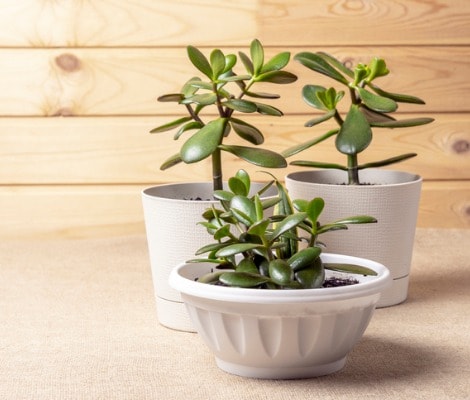
The exact toxic principle in jade plants is unknown, but ingestion can lead to a range of symptoms, including vomiting, lethargy, incoordination, and abdominal pain. While not as severely toxic as Kalanchoe, jade plants should still be kept out of reach of pets. I’ve seen dogs become noticeably wobbly and disoriented after nibbling on a jade plant.
The Clinical Perspective: While the specific toxin in jade plants remains elusive, it is believed to affect the central nervous system. The observed symptoms, such as incoordination (ataxia) and depression, suggest that the toxin may interfere with neurotransmitter function or disrupt neuronal signaling pathways. Further research is needed to identify the exact mechanism of action.
Which Succulents Are Safe Around My Furry Friends? Pet-Friendly Options
Not all succulents are created equal. Fortunately, there are several varieties that are considered non-toxic to cats and dogs, allowing you to enjoy these plants without compromising your pet's safety. However, even non-toxic plants can cause mild gastrointestinal upset if ingested in large quantities, so moderation is always key.
Hens and Chicks: A Low-Maintenance, Pet-Safe Succulent
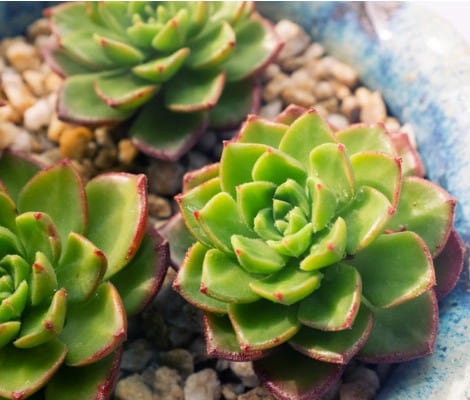
Hens and chicks ( *Sempervivum* ) are generally considered safe for pets. These hardy plants are easy to grow and propagate, making them a popular choice for both indoor and outdoor gardens. Their low toxicity makes them a worry-free option for pet owners.
Haworthia: A Zebra-Striped Succulent That's Safe for Cats and Dogs
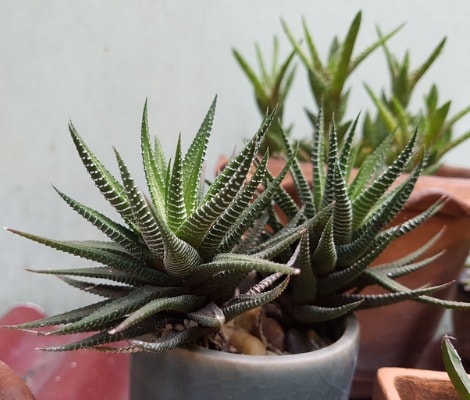
Haworthia, also known as zebra cactus, is another pet-friendly succulent. Its unique striped appearance adds visual interest to any plant collection, and its non-toxic nature makes it a safe choice for households with curious pets.
Burro's Tail: A Trailing Succulent That Adds Beauty Without the Risk
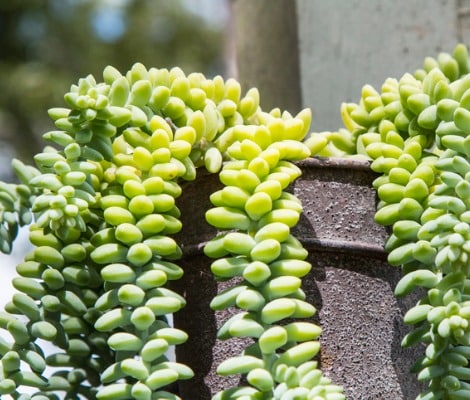
Burro's tail ( *Sedum morganianum* ) is a trailing succulent that looks stunning in hanging baskets or on shelves. Its fleshy, cascading leaves add a touch of elegance to any space, and it's considered safe for both cats and dogs. Just be mindful of falling leaves, as they can still cause mild stomach upset if ingested in large quantities.
Home-Care Hacks: How to Protect Your Pets From Toxic Plants
Even if you choose pet-safe succulents, it's crucial to take precautions to prevent your pets from ingesting any plant material. Here are some practical tips I share with my clients:
- **Elevate:** Place plants on high shelves or hanging baskets that are out of your pet's reach.
- **Barriers:** Use plant stands or decorative pots to create a physical barrier around your plants.
- **Training:** Teach your pets to avoid plants using positive reinforcement techniques.
- **Bitter Apple Spray:** Apply a pet-safe bitter apple spray to the leaves of your plants to deter chewing.
The Red Flag Checklist: When to Seek Immediate Veterinary Care
If you suspect your pet has ingested a toxic succulent, time is of the essence. Watch out for these red flags and seek immediate veterinary care:
- **Severe Vomiting or Diarrhea:** Especially if it contains blood.
- **Lethargy or Weakness:** A noticeable decrease in energy levels.
- **Incoordination or Tremors:** Difficulty walking or shaking.
- **Difficulty Breathing:** Labored breathing or coughing.
- **Collapse:** Loss of consciousness.
Even if your pet only exhibits mild symptoms, it's always best to err on the side of caution and contact your veterinarian or a pet poison control center for guidance.