

Asian Lady Beetles & Dogs: What To Do If Your Dog Eats One?
Here's a weird fact I tell clients in the exam room: dogs are more likely to be harmed by the *defensive chemicals* released by Asian lady beetles than by the beetles themselves. It's the equivalent of a tiny chemical burn in their mouth. So, while those swarming beetles are annoying, understanding the real risk is mission-critical.
For Busy Owners: Asian lady beetles can cause irritation in a dog's mouth if ingested. The beetles release defensive chemicals that cause mild chemical burns. If you see excessive drooling or your dog refuses to eat, check their mouth and call your vet.
Asian Lady Beetles 101: Spotting the Difference
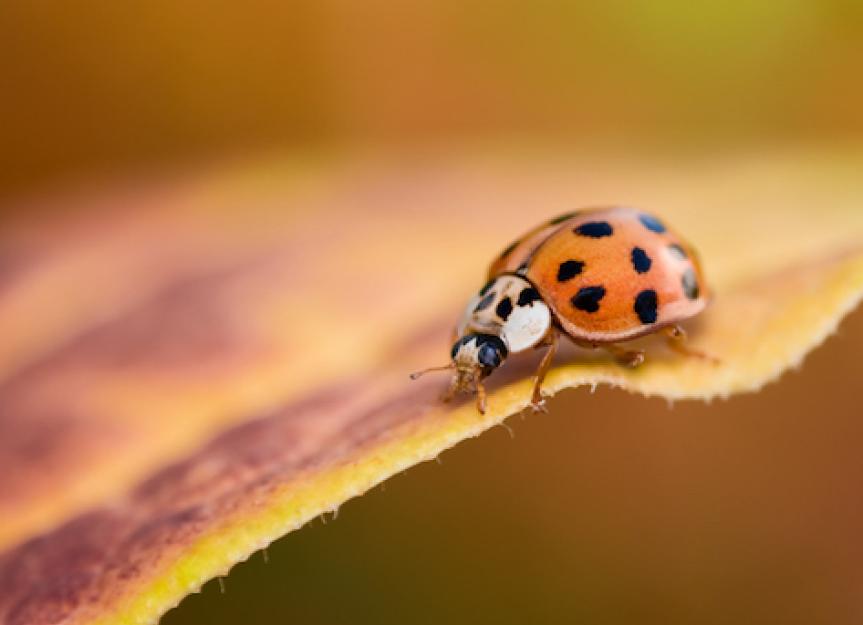
Asian lady beetles (Harmonia axyridis) can be tricky to distinguish from native ladybugs. Look for a yellow pronotum (the area behind the head) with black markings. They vary in color and spot number. These beetles are voracious aphid eaters, introduced to control pests, but they can also become household nuisances.
Honestly, telling the difference between an Asian lady beetle and a regular ladybug is something most people don't think about until their dog is foaming at the mouth. Both belong to the Coccinellidae family, and both love munching on aphids. The problem? Asian lady beetles are far more aggressive and numerous. Their populations exploded after being introduced as a form of natural pest control. This rapid increase contributes to the decline of native North American ladybug species, disrupting the ecological balance. The beetles' appetite isn't limited to just aphids; they also consume beneficial insects like monarch butterfly eggs and larvae. So, while they help with pest control, they also have unintended consequences on the broader ecosystem. During fall, these beetles seek shelter in homes and buildings to overwinter. This behavior leads to large congregations of beetles indoors, making encounters with your dog more likely.
Are Asian Lady Beetles Actually a Threat to Dogs? The Clinical Perspective
When threatened, Asian lady beetles release hemolymph, a foul-tasting fluid containing irritating chemicals. This can cause chemical burns in the mouth or gastrointestinal tract. While serious cases are rare, the irritation can lead to anorexia and discomfort. The underlying biological reason is due to the beetles' defense mechanism. The hemolymph contains compounds designed to deter predators. These compounds cause localized tissue damage, resulting in inflammation and ulceration.
The corrosive nature of hemolymph is due to specific alkaloids and other defensive chemicals that cause irritation and potentially mild chemical burns upon contact with mucous membranes. These chemicals disrupt the normal cellular function, leading to inflammation and tissue damage. This damage is usually superficial and heals quickly due to the rapid regeneration rate of oral tissues. However, if the exposure is prolonged or the concentration of hemolymph is high, the damage can be more severe. In rare cases, ingestion of a large number of beetles can cause systemic effects due to the absorption of these chemicals into the bloodstream. This can lead to gastrointestinal upset, vomiting, and diarrhea. I tell my clients to keep an eye out for secondary bacterial infections.
What Happens if My Dog Eats an Asian Lady Beetle? Recognizing the Symptoms
If your dog eats an Asian lady beetle, watch for excessive drooling, reluctance to eat, or a foul odor from the mouth. They may also vomit or have diarrhea. These signs indicate irritation or chemical burns from the beetle's defensive secretions. It's mission-critical to check your dog's mouth for visible beetles or sores.
Honestly, the symptoms are usually pretty obvious. The dog may paw at its mouth, whine, or refuse to eat dry food. The drooling (ptyalism) is due to the irritation of the oral mucosa. The dog's body is trying to flush out the irritating substance. The reluctance to eat (anorexia) is a direct result of the pain and discomfort caused by the chemical burns. Vomiting and diarrhea are less common but can occur if the dog ingests a large number of beetles. The body attempts to eliminate the toxins through emesis and increased intestinal motility. In severe cases, the dog may become lethargic and dehydrated. This is especially true if the dog refuses to drink water due to the pain in its mouth. Dehydration can lead to a cascade of metabolic disturbances, including electrolyte imbalances and kidney dysfunction. That is why you need to offer your dog fresh water and monitor their urine output.
Home-Care Hacks: What to Do Immediately
If you suspect your dog encountered Asian lady beetles, flush their mouth with water. Check for visible beetles and remove them gently. Offer soft food and monitor for worsening symptoms. These simple steps can minimize irritation and prevent further complications. Early intervention is mission-critical to prevent secondary issues.
Here's the deal, you can use a simple oral rinse. A diluted chlorhexidine solution (0.12%) can help disinfect the mouth and prevent secondary bacterial infections. You can also use a syringe to gently flush the mouth with saline solution to remove any remaining hemolymph or beetle fragments. Avoid using harsh chemicals or human mouthwashes, as these can be toxic to dogs. The ulcers and inflammation in the mouth can be extremely painful. Offering soft, palatable food can encourage your dog to eat. Consider warming the food slightly to enhance its aroma and make it more appealing. Monitor your dog closely for any signs of dehydration, such as sunken eyes, dry gums, and decreased skin elasticity. Encourage them to drink small amounts of water frequently. If your dog refuses to drink, contact your veterinarian immediately for subcutaneous fluid administration.
The Red Flag Checklist: When to See a Vet ASAP
Call your vet immediately if you see excessive drooling, open sores in the mouth, reluctance to eat, vomiting, bloody diarrhea, or lethargy. These are signs of a more serious reaction requiring professional veterinary intervention. Prompt treatment can prevent severe complications and ensure a full recovery.
Honestly, don't wait if you see blood. Bloody diarrhea (hematochezia) indicates significant damage to the gastrointestinal tract. This could be due to severe ulceration or even perforation of the intestinal lining. Lethargy indicates a systemic response to the toxins released by the beetles. This could be due to dehydration, electrolyte imbalances, or even organ damage. These signs are non-negotiable and require immediate veterinary attention. Your veterinarian will perform a thorough examination to assess the extent of the damage. They may recommend blood tests to evaluate organ function and electrolyte balance. Treatment may include intravenous fluids, antibiotics, pain medication, and supportive care. In severe cases, surgery may be necessary to repair any damage to the gastrointestinal tract.
Preventing Future Encounters: Keeping Beetles Away
The best way to protect your dog is to minimize beetle numbers in your home. Seal cracks around windows and doors, and vacuum up any beetles you find. These simple measures can reduce the likelihood of encounters. Preventing access is always the best strategy, even if it is not always possible.
Here's the deal, Asian lady beetles are attracted to light and warmth. Consider using yellow or sodium vapor lights outside your home, as these are less attractive to insects. Regularly inspect your home for any potential entry points, such as cracks in the foundation or gaps around pipes. Seal these openings with caulk or weather stripping. You can also use insect netting to cover windows and doors. This will allow you to ventilate your home without allowing beetles to enter. Consider using natural repellents, such as peppermint oil or eucalyptus oil. These oils have a strong odor that deters insects. Place cotton balls soaked in these oils around your home, especially in areas where beetles are likely to enter.
Treatment Options: What Your Vet Will Do
Your vet will physically remove any beetles from your dog's mouth, often under sedation. They'll treat any damage from the hemolymph with medications to reduce pain and inflammation. Antibiotics may be necessary to prevent or treat secondary infections. The goal is to alleviate discomfort and promote healing.
That mouthwash containing sucralfate, lidocaine, and diphenhydramine is a common treatment. Sucralfate is a mucosal protectant that forms a protective barrier over the ulcers, promoting healing. Lidocaine is a local anesthetic that provides pain relief. Diphenhydramine is an antihistamine that reduces inflammation and itching. Your veterinarian may also prescribe systemic pain medication, such as NSAIDs or opioids, to provide additional pain relief. In severe cases, your veterinarian may recommend a feeding tube to ensure that your dog receives adequate nutrition. The feeding tube will allow you to bypass the painful ulcers in the mouth and deliver nutrients directly to the stomach. Your veterinarian will monitor your dog closely for any signs of complications, such as infection or dehydration. With prompt and appropriate treatment, most dogs recover fully from Asian lady beetle encounters.