

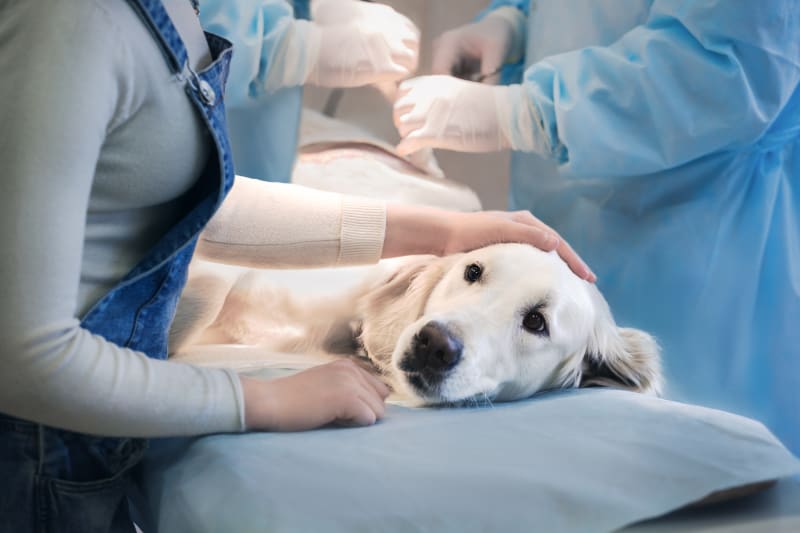
Splenectomy in Dogs: What to Expect Before and After Spleen Removal
Here’s a counter-intuitive fact I tell worried owners in the exam room all the time: a dog can actually live a pretty normal life without a spleen. While it's true the spleen plays a role in immunity, its absence isn’t always a death sentence. Now, that doesn’t mean spleen removal (splenectomy) is a walk in the park. It often signals something serious is going on.
For Busy Owners: A splenectomy is surgery to remove a dog's spleen, often due to tumors or damage. Dogs can live without their spleen, but post-op care is critical. The success depends on the underlying condition and surgical skill.
What is a Splenectomy in Dogs, Exactly?
A splenectomy in dogs is the surgical removal of the spleen. This is often a mission-critical procedure when a dog is diagnosed with a splenic tumor, either benign or malignant. It might also be needed if the spleen is damaged due to conditions like gastric dilatation-volvulus (GDV) – that’s bloat, for those not fluent in vet-speak. Think of it like removing a damaged component to save the entire system.
There are two main types: a total splenectomy, where the entire spleen is removed, and a partial splenectomy, also known as splenorrhaphy, where only a portion is taken out. Total splenectomies are far more common. The biological reason? The spleen's role in filtering blood and mounting immune responses means that localized damage or tumors can quickly compromise its entire function, making complete removal the safer option.
Total vs. Partial Splenectomy: Which is Right for My Dog?
A total splenectomy involves the complete removal of the spleen. Partial splenectomy (splenorrhaphy) involves removing only a portion of the spleen. The choice depends entirely on the underlying condition.
Total splenectomies are favored when dealing with widespread disease, such as diffuse tumors or splenic torsion (twisting). The entire organ is compromised, making partial removal ineffective. Partial splenectomies are considered only when the damage is highly localized, such as with a small, isolated benign mass or in cases of trauma where only a section of the spleen is irreparably damaged. The decision hinges on preserving as much functional splenic tissue as possible while addressing the primary health threat.
Anatomy of the Canine Spleen: Why is the Spleen Important?
The spleen sits on the left side of the abdomen, snuggled next to and below the stomach. It’s connected to the stomach by blood vessels, and shares some vasculature with the pancreas. Inside, it’s divided into two main parts: the white pulp and the red pulp.
The white pulp is the spleen's immune center, actively producing lymphocytes – those are your infection-fighting white blood cells. The red pulp acts like a blood reservoir and a recycling center, storing blood and filtering out old or damaged red blood cells. When the spleen is compromised, this filtering process goes haywire. For example, in immune-mediated hemolytic anemia (IMHA), the spleen starts aggressively destroying healthy red blood cells, leading to severe anemia. That’s when removing the spleen becomes a life-saving option, even though it means losing these functions.
Why Would a Dog Need a Splenectomy? Unveiling the Reasons
A dog might need a splenectomy for various reasons, but the most common one I see in the clinic is a splenic tumor. These tumors can be benign (non-cancerous) or malignant (cancerous). Even if it's benign, we often remove the spleen to prevent it from rupturing, which can cause life-threatening internal bleeding.
Other reasons include splenic torsion (twisting), often associated with GDV; right-sided heart failure; trauma from accidents; clots in the spleen (common in dogs with Cushing’s or cardiovascular disease); immune-mediated diseases like IMHA or ITP (immune-mediated thrombocytopenia); and splenomegaly (enlarged spleen) caused by bacterial, viral, or tick-borne diseases. The biological 'why' here is crucial: splenic torsion cuts off blood supply, leading to tissue death; heart failure causes blood congestion and enlargement; immune diseases cause the spleen to attack its own blood cells. Each scenario demands intervention to prevent further systemic damage.
What are the Potential Risks of Splenectomy in Dogs?
Honestly, any surgery has risks, and a splenectomy is no exception. The risks are usually tied to the underlying disease and whether the surgery is an emergency procedure rather than a planned one.
Potential risks include severe blood loss, infection (leading to sepsis), trauma to other organs, arrhythmias (irregular heartbeats), post-operative complications, and anesthetic complications. One major concern is the risk of thromboembolism – that’s clot formation – after surgery. The spleen normally helps filter out damaged blood cells and platelets. Without it, these components can aggregate and form clots, potentially leading to pulmonary embolism (a clot in the lungs), which can be fatal. That’s why careful monitoring and sometimes prophylactic anticoagulation are needed post-splenectomy.
What are the Benefits of Splenectomy for Dogs?
The biggest benefit of a splenectomy is giving your dog their best shot at returning to a normal, happy life. It’s often the only viable treatment for splenic masses, lacerations, torsion, end-stage immune-mediated diseases, and GDV.
For dogs with splenic tumors, removing the spleen allows us to diagnose the type of tumor and plan future care. Removing cancerous masses also provides symptomatic relief. Think of it this way: if the spleen is the source of the problem – whether it’s uncontrolled bleeding, a growing tumor, or a self-attacking immune response – removing it eliminates the root cause. While the spleen does contribute to immune function, dogs can adapt without it, especially with proper post-operative care and monitoring.
How Effective is a Splenectomy in Improving My Dog's Quality of Life?
One study showed that 99% of dogs undergoing a splenectomy survived and were discharged. However, outcomes vary significantly.
Effectiveness depends on the reason for the splenectomy, the amount of blood lost during surgery, whether the surgery is an emergency, the surgical technique, and the skill of the surgeon. Dogs undergoing splenectomy for benign conditions like trauma or splenic hematoma generally have excellent long-term prognoses. However, if the splenectomy is for a malignant tumor like hemangiosarcoma, the prognosis is guarded, and further treatment (like chemotherapy) is usually needed to extend survival. The key is early diagnosis and intervention to maximize the chances of a positive outcome.
Cost of Splenectomy in Dogs: What to Expect Financially
The cost of a splenectomy varies widely, depending on location, the complexity of the surgery, pre-operative tests, whether it’s an emergency or planned procedure, and whether you’re at a private practice or an ER.
Expect to pay anywhere from $1,500 to $9,000 or more. Your vet will give you a detailed estimate beforehand. Most pet insurance companies cover at least part of the cost, unless it’s a pre-existing condition. If insurance isn’t an option, look into CareCredit or payment plans. I tell my clients, honestly, that it's a significant investment, but it can be a life-saving one.
Preparation for Splenectomy in Dogs: What Happens Before Surgery?
Fasting guidelines depend on when the surgery is scheduled. After paperwork, your dog will be hospitalized, have blood drawn, and be placed on an IV.
The vet will examine your dog, review paperwork and blood work, and administer pre-medication (pain meds and sedatives). An endotracheal tube will monitor breathing, and your dog will be prepped for surgery. This is where the anesthesiologist earns their keep. They're carefully monitoring vital signs, adjusting anesthetic levels, and ensuring your dog remains stable throughout the procedure. Pre-operative bloodwork is crucial to assess organ function and identify any underlying issues that could complicate the surgery. It’s all about minimizing risk and ensuring the safest possible outcome.
What are the Potential Complications of Splenectomy in Dogs?
Splenectomy complications are uncommon, but major ones can occur.
These include blood loss (most common), infection (potentially leading to sepsis), inadvertent trauma to the pancreas or stomach, arrhythmias, post-operative hypotension (low blood pressure), future GDV, and even sudden death (up to 24 hours later, usually from hemorrhage, respiratory failure, or life-threatening arrhythmias). Remember, complications are higher in emergency splenectomies. Also, blood-borne infections like Ehrlichia, Babesia, and Mycoplasma may occur post-op, so testing is crucial. I always stress to owners that while we do everything to minimize risk, we can’t eliminate it entirely. That’s why vigilant post-operative monitoring is non-negotiable.
Post-Op Care and Recovery for Splenectomy in Dogs: Getting Back to Normal
Some dogs go home the next day; others stay longer, depending on their case.
Expect monitoring for bleeding and arrhythmias, with frequent blood work until stable. Fluid therapy or blood transfusions may continue, along with pain meds and antibiotics. Once discharged, you’ll get strict orders about exercise, bathing, medications, follow-ups, and checking the surgical site daily. Ignoring these recommendations can lead to complications and potentially another surgery. Use a recovery suit or cone to prevent licking or chewing at the incision. Common pain and anti-inflammatory meds include gabapentin, tramadol, Rimadyl®, and meloxicam. Because the spleen plays a role in immunity, your dog may be more susceptible to infections. Be cautious at boarding facilities, groomers, and dog parks. The reality is, without a spleen, the immune system is slightly compromised. This doesn’t mean your dog will constantly be sick, but it does mean you need to be extra vigilant about potential sources of infection.
Alternatives to Splenectomy in Dogs: Are There Other Options?
There really isn’t a viable alternative to splenectomy. Surgery is the only option.
Without it, humane euthanasia might be recommended, depending on the underlying cause. I tell clients straight up: if the spleen is the problem, and it’s beyond repair, removing it is the only way to save your dog’s life. There are no magic pills or alternative therapies that can fix a ruptured spleen or eliminate a cancerous tumor. Sometimes, the kindest thing we can do is to make the tough decision and proceed with surgery.
Splenectomy in Dogs FAQs
Can a dog live a normal life after spleen removal?
A dog can certainly have a good quality of life without his spleen. However, certain precautions should be taken to minimize future infections.
What is the life expectancy for dogs after spleen removal?
The life expectancy for dogs that have a successful splenectomy varies depending on their prognosis. If the dog is having a splenectomy due to a torsion or some type of trauma or benign tumor, then they’re expected to have a normal life expectancy.
Featured Image: andresr/E+ via Getty Images