

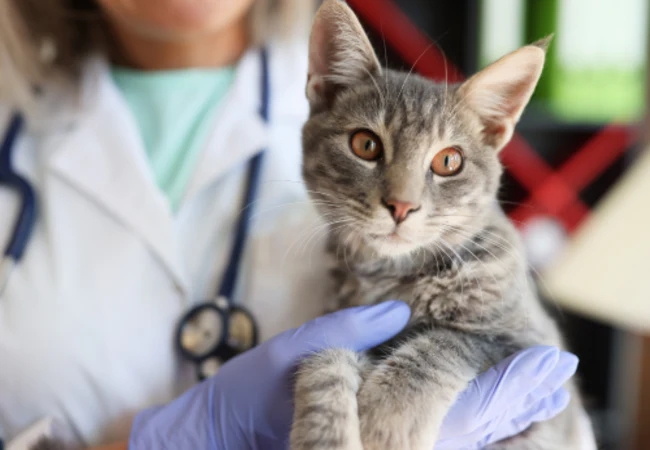
Cat Chemotherapy: A Vet's Guide to Feline Cancer Treatment Options
Here's a counter-intuitive fact straight from the exam room: many cat owners mistakenly believe chemotherapy will automatically devastate their cat. Actually, in veterinary medicine, we prioritize quality of life. If a cat isn't tolerating chemo well, we adjust the protocol or stop altogether. It's not about 'no matter what' extension of life; it's about comfort and dignity.
For Busy Owners: Chemotherapy for cats uses medication to target and kill rapidly dividing cancer cells, but it's tailored to maintain a good quality of life. Treatment plans involve IV infusions or oral medications and depend on the type of cancer, the treatment plan selected by your veterinarian, and your budget. The goal isn't just to extend life but to ensure your cat remains comfortable and has a good quality of life during treatment.
Is Chemotherapy the Right Choice? Understanding Feline Cancer Treatment
More cats are being diagnosed with cancer because they are living longer and receiving better veterinary care. Chemotherapy is often part of a comprehensive treatment plan. It involves using medications to kill cancer cells while maintaining a good quality of life. The drugs target rapidly multiplying cells, which unfortunately can also affect healthy cells in the gastrointestinal tract and bone marrow.
From a clinical perspective, it's about balance. We're trying to disrupt the rapid cell division characteristic of cancer. Cancer cells often exhibit uncontrolled proliferation due to genetic mutations affecting cell cycle regulation. These mutations can disable tumor suppressor genes or activate oncogenes, leading to unchecked growth. Chemotherapy agents exploit this rapid division, but also impact other fast-growing cells, leading to side effects.
What Are the Different Types of Chemotherapy for Cats?
Chemotherapy for cats is administered through IV infusions or oral medications, depending on the type of cancer and the treatment plan. IV infusions include drugs like cyclophosphamide, doxorubicin, vincristine, carboplatin, and mitoxantrone. Oral medications may include prednisolone, cyclophosphamide, and toceranib. The choice depends on several factors.
The selection of a specific chemotherapy drug involves considering the cat's overall health. For example, the veterinarian will assess kidney function. Some drugs are nephrotoxic. It's also essential to understand the mechanism of action. Doxorubicin, for instance, intercalates into DNA, disrupting replication and transcription in rapidly dividing cells. Prednisolone, a corticosteroid, has anti-inflammatory and immunosuppressive effects, useful in managing certain cancers like lymphoma.
Why Would My Cat Need Chemotherapy? Understanding Treatment Plans
Chemotherapy is recommended when cancer has spread (metastasized), is likely to spread, or cannot be surgically removed. Lymphoma and mammary gland cancer are common cancers where chemotherapy is often recommended. Other cancers include squamous cell carcinomas and soft tissue sarcomas. How aggressive the primary tumor is and whether it can be completely removed surgically also play a role.
From a clinical standpoint, think of metastasis as cancer cells detaching from the primary tumor and invading distant tissues via the bloodstream or lymphatic system. This process involves a complex interplay of factors. These factors include the downregulation of cell adhesion molecules, increased secretion of matrix metalloproteinases (MMPs) that degrade the extracellular matrix, and enhanced angiogenesis to support the growth of secondary tumors. Chemotherapy is vital in targeting these microscopic metastases that are undetectable by imaging techniques.
What Are the Risks of Cat Chemotherapy? A Vet's Honest Take
Chemotherapy targets rapidly dividing cells, leading to common side effects like bone marrow suppression and gastrointestinal upset. Bone marrow suppression can decrease white blood cell counts, leading to secondary infections. Gastrointestinal upset can cause vomiting, decreased appetite, and diarrhea, typically seen three to five days after treatment.
Honestly, it's about managing expectations. When we talk about bone marrow suppression, we're talking about a drop in neutrophils. Neutrophils are critical for fighting off bacterial infections. Chemotherapy drugs can damage the hematopoietic stem cells in the bone marrow, leading to neutropenia. We often monitor neutrophil counts closely and may prescribe prophylactic antibiotics or growth factors like granulocyte colony-stimulating factor (G-CSF) to stimulate neutrophil production.
Home-Care Hacks: Managing Chemotherapy Side Effects in Cats
- Dietary Adjustments: Offer small, frequent meals of bland, easily digestible food like boiled chicken or rice.
- Hydration: Ensure your cat has access to fresh water and consider adding unflavored Pedialyte to combat dehydration from vomiting or diarrhea.
- Medication Administration: Administer any anti-nausea or anti-diarrheal medications prescribed by your veterinarian as directed.
- Comfortable Environment: Provide a quiet, comfortable space for your cat to rest and recover.
Red Flag Checklist: When to Call the Vet During Cat Chemo
- Persistent Vomiting or Diarrhea: If your cat vomits more than twice in 24 hours or has persistent diarrhea for more than two days.
- Lethargy or Weakness: If your cat is unusually lethargic, weak, or unresponsive.
- Fever: If your cat has a fever (temperature above 103°F or 39.4°C).
- Loss of Appetite: If your cat refuses to eat for more than 24 hours.
- Difficulty Breathing: If your cat has trouble breathing or is coughing.
What Are the Benefits of Cat Chemotherapy? Improving Quality of Life
Chemotherapy aims to improve your pet's quality of life for as long as possible, improve how your cat feels, and extend their life during cancer treatment. Many factors affect life expectancy, including the type and aggressiveness of the tumor, whether the cancer has spread, underlying health conditions, how receptive the tumor is to chemotherapy, and the type of chemotherapy given.
The success of chemotherapy is judged on remission, survival time, and quality of life. In lymphoma, about 75% of cats getting long-term, multi-agent chemotherapy go into remission. Many pet parents feel chemotherapy improves their cat’s quality of life. This is mission-critical, honestly.
How Much Does Cat Chemotherapy Cost? Budgeting for Cancer Treatment
The average cost of chemotherapy for a cat ranges from $100 to $300 per dose, with total costs potentially exceeding $5,000. Long-term treatments are usually given by a veterinary oncologist. Pet insurance often covers cancer treatment if it isn't a pre-existing condition.
Comprehensive pet insurance plans are the best bet for covering cancer. Chemotherapy is too costly for many, and it's okay if you can't afford it. Discuss other methods of ensuring your pet has a good quality of life. Your veterinarian might be able to make a treatment plan that fits your budget. You can also consider fundraising or finding organizations that can help cover the cost.
How Do I Prepare My Cat for Chemotherapy? A Step-by-Step Guide
Your pet’s oncologist should give you instructions for how to prepare your cat for chemotherapy, and it’s very important that you follow their guidelines. Some medications will be given by an IV infusion in the hospital, but others will be given by mouth at home. If your pet is coming to a clinic for treatment, the veterinarian might ask you to have your cat fast the day of their treatment.
Some clinics might have you stay with your cat during chemo for support, while others might have you wait elsewhere. This might depend on how your cat reacts to new environments, the structure of the hospital, and whether it is safe for you to be in the treatment area.
What to Expect: Care and Recovery From Cat Chemotherapy
After your cat gets chemotherapy, watch them for side effects like vomiting, diarrhea, and loss of appetite. Your cat might be tired the day of their treatment. Contact your veterinarian if you notice any side effects, especially if your cat isn’t feeling well overall. Your veterinarian might give anti-nausea medications or appetite stimulants, like mirtazapine.
Alternatives to Cat Chemotherapy: Exploring Other Options
Chemotherapy is one treatment option for cancer, but it's not the only one. Sometimes it's the main treatment, and sometimes it's part of a multimodal plan. Other cancer treatments include surgery, radiation therapy, and immunotherapy. Speak with your veterinarian to find out whether there is an alternative to chemotherapy in your cat’s individual case.
Cat Chemotherapy FAQs
Is it worth putting a cat through chemotherapy?
This is a very individual question. Most cat parents who choose chemotherapy report that they think it helped their cat keep a better quality of life and would choose it again. However, choosing not to do chemotherapy is also valid, so discuss all options with your veterinarian.
What is the success rate of chemotherapy in cats?
There is no overall success rate for chemotherapy in cats. Success depends on the type of cancer, how aggressive it is, whether it has spread, whether it responds to chemotherapy, and the specific protocol used.
Keep in mind that chemotherapy success for cats is based more on how long it extends your cat’s life, whether they go into remission, and their quality of life than it is on curing a cat of cancer.
How expensive is chemotherapy for a cat?
An individual dose of chemotherapy for a cat can run from $100 to $300 and total cost can reach or exceed $5,000.
The cost varies depending on the type of cancer, the protocol used, your cat’s size and overall health, and your geographic location.