

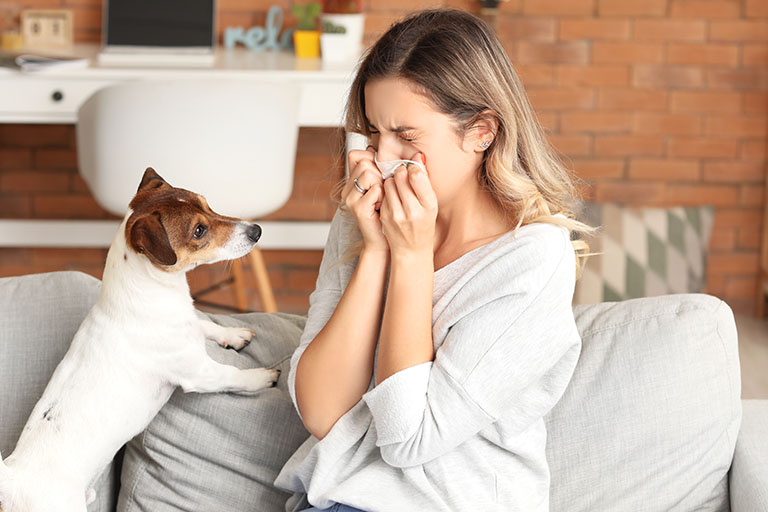
Hosting Guests with Pet Allergies: A Practical Guide for Owners
Here's a counter-intuitive fact from the exam room: complete allergen removal is often less effective than targeted strategies. The body's immune system sometimes overreacts to the absence of familiar allergens. Now, let's get practical.
For Busy Owners: Hosting allergic guests? Focus on air purification with HEPA filters, create pet-free zones, and preemptively reduce allergens on your pet through bathing or grooming. These steps minimize allergen exposure and create a more comfortable environment. Always have allergy medication available.
Why is my guest sneezing? Understanding pet allergies and dander control
Pet allergies aren't about the fur itself, but rather proteins found in pet dander, saliva, and urine. These proteins—often lightweight and airborne—trigger an immune response in sensitive individuals. This response involves mast cell activation, histamine release, and subsequent inflammation of the nasal passages and airways. Reducing exposure is key.
The clinical perspective: Think of dander like microscopic burrs clinging to everything. The smaller the particle, the deeper it gets into the respiratory tract, triggering a cascade of allergic reactions. Minimizing dander, therefore, is mission-critical.
Start Cleaning: Deep Cleaning Tips for Pet Allergies
Yes, you knew this was coming. But not all cleaning is created equal. Focus on areas your pet frequents: carpets, upholstery, and bedding. Allergens accumulate in these reservoirs. Vacuuming alone isn't enough; consider steam cleaning or using allergen-specific cleaning products. The goal? Denature those proteins.
Home-Care Hacks: Invest in a vacuum with a HEPA filter. These filters trap even the tiniest allergen particles, preventing them from being recirculated into the air. I tell my clients to think of it as a long-term investment in their family's health, not just for guests, but for everyone.
Red Flag Checklist: If, despite thorough cleaning, your guest experiences severe symptoms like difficulty breathing or facial swelling, immediate medical attention is needed. This indicates anaphylaxis, a life-threatening allergic reaction.
How to keep your home well-ventilated to reduce pet allergens?
Ventilation dilutes the concentration of airborne allergens. Opening windows creates airflow, flushing out allergen-laden air and replacing it with fresh air. This reduces the overall allergen load in the environment, decreasing the likelihood of triggering allergic reactions in sensitive individuals.
The clinical perspective: Indoor air quality is often worse than outdoor air quality. Stale, recirculated air traps allergens, dust, and other irritants. Ventilation acts as a natural air purifier, promoting a healthier indoor environment.
Home-Care Hacks: Strategically place fans to maximize airflow. Position them near windows to draw in fresh air and exhaust stale air. Consider using exhaust fans in bathrooms and kitchens to remove moisture and prevent mold growth, which can exacerbate allergies.
Red Flag Checklist: Be mindful of outdoor air quality. On high-pollen days, keep windows closed and rely on air conditioning with a HEPA filter to avoid introducing new allergens into your home.
Is running an air purifier with a HEPA filter effective for allergy relief?
Air purifiers with HEPA filters are incredibly effective at removing airborne allergens, including pet dander. HEPA filters capture at least 99.97% of particles 0.3 microns in diameter, effectively trapping allergens and preventing them from circulating in the air. This significantly reduces allergen exposure for sensitive individuals.
The clinical perspective: HEPA filtration is a non-negotiable for allergy sufferers. These filters don't just mask the problem; they actively remove the source of the irritation. Think of it as a targeted strike against allergens, creating a safer and more comfortable environment.
Home-Care Hacks: Place the air purifier in the room where your guest will spend the most time, such as the bedroom or living room. Ensure the purifier is appropriately sized for the room to maximize its effectiveness. Clean or replace the filter regularly according to the manufacturer's instructions.
Red Flag Checklist: Air purifiers are not a substitute for medical treatment. If your guest's symptoms persist despite using an air purifier, seek medical advice. Allergies can be complex and may require additional interventions.
Bathing and brushing: How to reduce pet dander and hair shedding before guests arrive?
Bathing and brushing remove loose fur, dander, and saliva from your pet's coat. This reduces the amount of allergens shed into the environment, minimizing exposure for allergic guests. Regular grooming helps control allergen levels and promotes a healthier coat for your pet.
The clinical perspective: Think of grooming as preventative medicine for your guests (and your pet!). Removing allergens at the source is far more effective than trying to clean them up after they've been dispersed throughout the house. Plus, a well-groomed pet is a happier pet.
Home-Care Hacks: Use a hypoallergenic shampoo specifically formulated for pets. These shampoos are gentle on the skin and coat while effectively removing allergens. Brush your pet outdoors or in a well-ventilated area to avoid spreading allergens inside.
Red Flag Checklist: Avoid over-bathing, as this can dry out your pet's skin and worsen dander production. If your pet has sensitive skin or allergies, consult with your veterinarian before using any new grooming products.
What allergy medicine should I have available for my house guest?
Over-the-counter antihistamines like loratadine (Claritin), cetirizine (Zyrtec), and diphenhydramine (Benadryl) can help alleviate allergy symptoms such as sneezing, runny nose, and itchy eyes. Decongestants like pseudoephedrine (Sudafed) can help relieve nasal congestion. Having these medications on hand provides quick relief for allergic guests.
The clinical perspective: Antihistamines work by blocking histamine receptors, preventing histamine from binding and triggering allergic reactions. Decongestants constrict blood vessels in the nasal passages, reducing swelling and congestion. However, these medications only address the symptoms, not the underlying cause of the allergy.
Home-Care Hacks: Stock a variety of allergy medications to accommodate different preferences and sensitivities. Consider having both sedating and non-sedating antihistamines available. Always check with your guest about any pre-existing medical conditions or medication interactions before offering allergy medicine.
Red Flag Checklist: Be aware of potential side effects of allergy medications, such as drowsiness, dry mouth, and dizziness. If your guest experiences severe side effects or their symptoms worsen despite taking medication, seek medical attention.
When should I consider making other accommodations for allergy sufferers?
If your guest's allergies are severe or if you're unable to adequately reduce allergens in your home, consider alternative accommodations such as a hotel or staying with another friend or family member. This ensures your guest's comfort and well-being, preventing unnecessary suffering and potential health complications.
The clinical perspective: Sometimes, despite our best efforts, the allergen load in a home is simply too high for sensitive individuals. In these cases, prioritizing your guest's health and comfort is the most responsible course of action. It's not a reflection of your hospitality, but rather a recognition of their medical needs.
Home-Care Hacks: Research pet-free hotels or accommodations in your area. Offer to cover the cost of alternative accommodations as a gesture of goodwill. Communicate openly and honestly with your guest about their allergies and your limitations in managing them.
Red Flag Checklist: If your guest experiences a severe allergic reaction, such as difficulty breathing or loss of consciousness, call emergency services immediately. Anaphylaxis is a medical emergency that requires prompt treatment.