

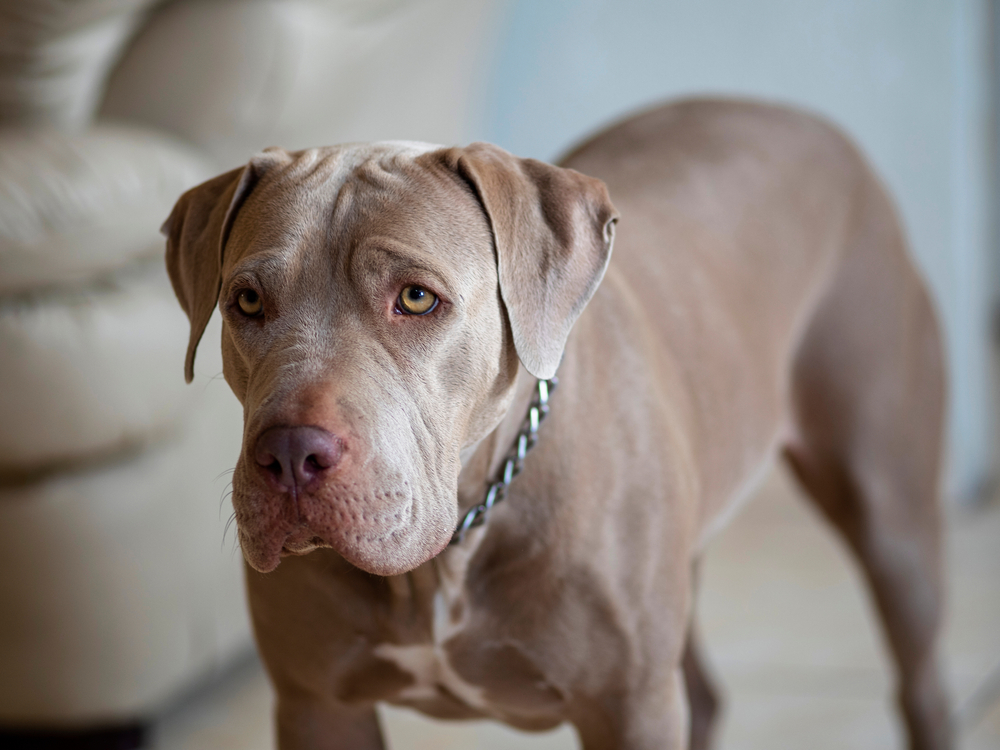
Pitbull Shedding: The Brutally Honest Truth About Grooming
Let's cut the crap right away: all dogs shed. Anyone who tells you different is selling something. The real question is *how much* and *why*. With Pitbulls, owners often get lulled into a false sense of security because of that short coat. But don't be fooled; these dogs absolutely shed, and understanding why is mission-critical for their health and your sanity.
For Busy Owners: Pitbulls have short coats and are often described as moderate shedders. They experience seasonal shedding in spring and fall. Factors like genetics, nutrition, stress, and underlying health issues can all influence shedding. Regular grooming helps manage shedding and maintain a healthy coat.
Why is my Pitbull suddenly shedding so much fur? Understanding Pitbull Shedding
Pitbulls, often including breeds like the American Pitbull Terrier and Staffordshire Bull Terrier, are known for their short, smooth coats. This leads many to believe they don't shed much. While it's true they generally shed less than long-haired breeds, they still shed. The amount can vary, so understanding the basics is crucial for responsible pet ownership.
Okay, here's the deal: "Pitbull" isn't actually one specific breed, which throws a wrench into blanket statements about shedding. You're usually talking about American Pit Bull Terriers, American Staffordshire Terriers, or Staffordshire Bull Terriers. These guys share that characteristic short coat, but their individual genetics play a huge role. Think of it like this: their hair follicles still go through the normal growth cycle (anagen, catagen, telogen, exogen), and shedding is just the exogen phase – when the old hair gets pushed out. The rate of this cycle, influenced by everything from breed lineage to individual health, determines how much you're vacuuming up.
When do Pitbulls Shed the Most? Navigating Shedding Seasons
Like most dogs, Pitbulls experience seasonal shedding, primarily in the spring and fall. This is when they shed more to adjust to temperature changes. While it may seem alarming, it's a natural process. Knowing what to expect can help you manage the shedding and keep your home relatively hair-free.
The reason for this seasonal blowout is pretty straightforward, actually. It's all about adapting to the climate. As the days get longer and warmer in the spring, Pitbulls shed their thicker winter undercoat to stay cool. Conversely, in the fall, they shed their lighter summer coat to make room for a denser coat that will provide insulation against the cold. This process is influenced by hormonal changes triggered by variations in daylight exposure, affecting the hair follicle activity and leading to increased shedding. I always tell my clients to consider this a bi-annual deep clean of their dog's wardrobe – it's normal, but needs management.
What factors cause excessive shedding in Pitbulls?
Several factors can influence how much a Pitbull sheds. These include genetics, nutrition, stress, and underlying health issues. Identifying and addressing these factors can help manage excessive shedding and maintain your dog's coat health.
- Genetics: Some dogs are genetically predisposed to shed more than others. It's just how they're wired.
- Nutrition: A poor diet can lead to a dull coat and increased shedding. Make sure your Pitbull is getting a high-quality food with plenty of protein and essential fatty acids. I can't stress this enough: cheap food equals cheap coat. And that means more hair on your couch. The biological mechanism here is that inadequate protein intake impairs keratin production, the primary structural component of hair. Similarly, deficiencies in omega-3 and omega-6 fatty acids compromise the skin's barrier function, leading to dryness and increased hair loss.
- Stress: Stress can cause a dog to shed more than usual. Changes in routine, loud noises, or separation anxiety can all contribute to stress-related shedding. The science? Cortisol, the stress hormone, disrupts the normal hair growth cycle, pushing more hairs into the shedding phase (telogen effluvium).
- Health Issues: Allergies, skin infections, and other health problems can cause excessive shedding. If you suspect a health issue, see your vet right away. For example, flea allergy dermatitis causes intense pruritus (itching). The constant scratching traumatizes the hair follicles, leading to hair breakage and increased shedding. Similarly, hypothyroidism (low thyroid hormone) slows down metabolic processes, including hair growth, resulting in a dull coat and excessive shedding.
If you think your Pitbull is shedding more than normal, it's always best to consult with your veterinarian. They can help rule out any underlying medical conditions and recommend the best course of action.
Home-Care Hacks: Tips for Managing Pitbull Shedding
To help keep shedding under control and maintain a healthy coat, consider these tips:
- Regular Brushing: Brush your Pitbull's coat once or twice a week to remove loose hair and distribute natural oils. A rubber curry brush or a shedding blade can be effective.
- Bathe When Necessary: Bathing helps remove loose hair and keeps the coat clean. However, over-bathing can dry out the skin, so bathe only when needed. Use a gentle, dog-specific shampoo.
- Provide a Balanced Diet: Feed your Pitbull a high-quality diet rich in protein, healthy fats, and essential nutrients. Consider adding a fish oil supplement to promote a healthy coat.
- Reduce Stress: Create a calm and stable environment for your dog. Provide plenty of exercise, mental stimulation, and affection.
- Regular Vet Checkups: Schedule regular veterinary checkups to monitor your Pitbull's overall health and address any potential issues that could cause excessive shedding.
Honestly, a good deshedding shampoo (used sparingly!) can be a lifesaver. And don't underestimate the power of a good vacuum cleaner. I recommend one with a HEPA filter to trap all that dander.
Are Pitbulls Truly Low-Maintenance Dogs? The Honest Truth
Pitbulls require maintenance to ensure their health and happiness. Compared to some other breeds, Pitbulls can be considered relatively low-maintenance, but it's not a free ride. They have short, smooth coats that don't require much attention. They shed moderately, but regular brushing can help keep shedding under control. They also don't need frequent baths, as their coats naturally repel dirt and water.
Here's the truth: low-maintenance doesn't mean *no* maintenance. Yes, their short coat is a blessing compared to a fluffy Samoyed. But Pitbulls are athletic dogs. They need exercise – daily. We're talking walks, runs, playtime. A bored Pitbull is a destructive Pitbull, and that's a whole different kind of maintenance. And let's not forget training and socialization. These are powerful dogs, and early training is non-negotiable to prevent behavioral problems. Neglecting this aspect can lead to aggression or excessive barking, which is a nightmare for you and your neighbors.
Red Flag Checklist: When is Pitbull Shedding an Emergency?
While some shedding is normal, certain signs warrant a trip to the vet:
- Sudden, excessive shedding: If your Pitbull is suddenly losing clumps of hair, it's a red flag.
- Itching, scratching, or biting: These can be signs of allergies, skin infections, or parasites.
- Redness, inflammation, or scabs: These indicate a skin problem that needs veterinary attention.
- Dull, dry coat: This can be a sign of nutritional deficiencies or underlying health issues.
- Hair loss in specific areas: This could indicate a localized skin problem, such as ringworm or mange.
Don't play Dr. Google. If you're worried, get your dog checked out. Early detection is always the best medicine.
Conclusion: Embracing the Shed with Your Pitbull
While Pitbulls don't shed excessively, managing their shedding and maintaining a healthy coat is crucial. Follow the tips outlined in this guide, and don't hesitate to consult your vet if you have any concerns. A little bit of knowledge and effort can go a long way in keeping your Pitbull happy and healthy.