
Entropion in Dogs: A Vet's Masterclass on Causes, Symptoms & Long-Term Solutions
Here's a counter-intuitive fact I tell clients in the exam room all the time: Not all eye issues are created equal. While some are minor annoyances, others, like entropion, can silently threaten your dog's vision if ignored. It's not just about discomfort; it's about preventing potentially blinding complications.
Busy Owner Summary: Entropion is an inward rolling of the eyelid causing irritation. Symptoms include tearing, squinting, and discharge. Surgical correction is often needed, but early intervention can prevent severe corneal damage and vision loss.
Why is My Dog Squinting and Tearing Up? Understanding Canine Entropion
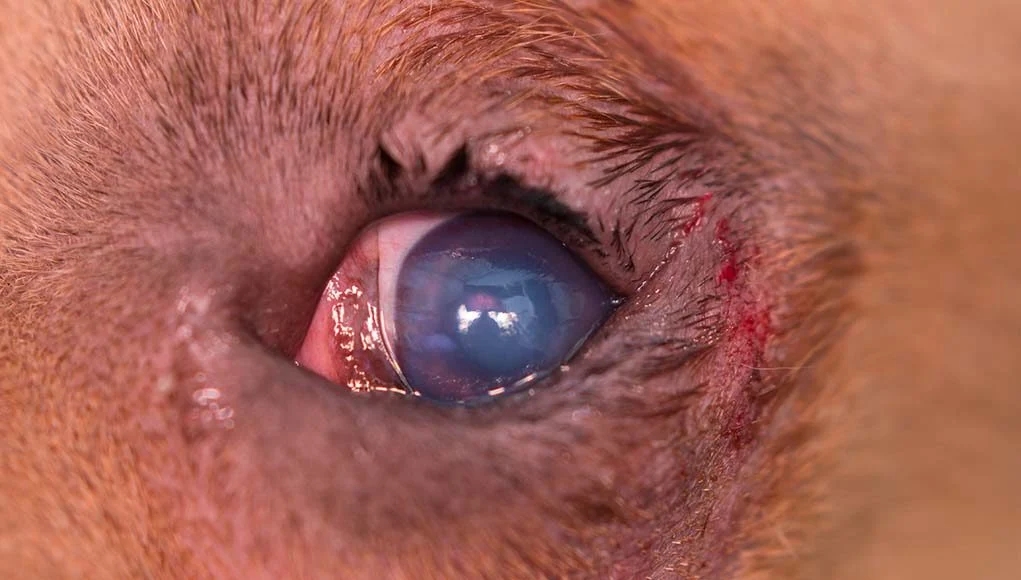
Entropion in dogs is a condition where the eyelid rolls inward, causing the eyelashes and surrounding hair to rub against the cornea. This constant friction leads to significant discomfort, inflammation, and potential damage to the eye. Think of it as having an eyelash stuck in your eye, but constantly, relentlessly scratching.
The Clinical Perspective: The underlying biology here is all about chronic inflammation. The mechanical irritation from the in-turned eyelid triggers the release of inflammatory mediators. Over time, this leads to corneal neovascularization (blood vessel growth) and pigmentation, impairing vision. Left untreated, persistent inflammation can even lead to corneal ulceration and scarring, further exacerbating the problem. We also see increased Matrix Metalloproteinase (MMP) activity, which degrades the collagen in the cornea. Honestly, that's a cascade you want to avoid.
Decoding the Signs: What are the Key Symptoms of Entropion in Dogs?
The symptoms of entropion in dogs can range from subtle to severe, depending on the degree of eyelid inversion and the duration of the condition. Recognizing these signs early is mission-critical to prevent lasting damage and discomfort for your furry friend.
- Excessive tearing (epiphora): The eye attempts to flush out the irritant.
- Squinting (blepharospasm): A protective mechanism to reduce pain.
- Eye discharge: Can be clear, mucoid, or purulent, indicating secondary infection.
- Redness of the conjunctiva (conjunctivitis): Inflammation of the eye's lining.
- Visible blood vessels on the cornea: A sign of chronic irritation.
- Corneal ulcers: Open sores on the cornea, extremely painful.
- Pawing at the eye: An attempt to relieve the discomfort.
- Light sensitivity (photophobia): Discomfort in bright light.
The Clinical Perspective: Let's talk about why these symptoms manifest. Epiphora occurs because the nasolacrimal duct (tear duct) can become blocked or overwhelmed by increased tear production. Corneal ulcers develop due to the constant abrasion disrupting the corneal epithelium, the protective outer layer. This exposes the underlying stroma, making the eye vulnerable to infection. The pain associated with corneal ulcers is intense due to the high density of nerve endings in the cornea.
What Causes Entropion in Dogs? Is My Dog at Risk?
Entropion in dogs usually stems from genetics, particularly in certain breeds, which is why it’s more common in Shar-Peis, Chow Chows, and Bulldogs. It's basically a developmental defect where the eyelid doesn't form correctly. However, it can also arise from other eye issues, like corneal ulcers or injuries, causing the eyelid to spasm inward.
The Clinical Perspective: In hereditary entropion, the conformation of the skull and facial muscles contributes to the eyelid rolling inward. Certain breeds have excessive skin folds around the eyes, predisposing them to this condition. Acquired entropion, on the other hand, is often associated with spastic entropion. This occurs when pain from a corneal ulcer or other eye irritation causes the eyelid muscles to contract, pulling the eyelid inward. Scarring from old injuries can also distort the eyelid, leading to entropion.
How is Entropion in Dogs Diagnosed? What Tests Will the Vet Perform?
Diagnosis of entropion in dogs typically involves a thorough eye exam by a veterinarian. They'll look for the telltale inward rolling of the eyelid and assess the cornea for any damage. A numbing drop might be used to see if the entropion is due to spasm. Fluorescein stain helps reveal any corneal ulcers.
The Clinical Perspective: The use of proparacaine (the numbing drop) is crucial to differentiate between spastic and anatomical entropion. If the eyelid returns to a normal position after applying proparacaine, it indicates that the entropion is secondary to pain or irritation. Fluorescein stain binds to the corneal stroma, highlighting any areas where the epithelium is disrupted. A Schirmer tear test measures tear production to rule out dry eye, which can exacerbate corneal irritation. Tonometry measures intraocular pressure to rule out glaucoma, another potential cause of eye discomfort.
Entropion Surgery Cost: What are the Treatment Options for Entropion in Dogs?
Treatment for entropion in dogs depends on the severity and cause. For young puppies, temporary tacking (suturing the eyelid in a corrected position) might be used until they grow. The definitive treatment for hereditary entropion is usually surgery, most commonly a Hotz-Celsus procedure, where a small piece of skin is removed to correct the eyelid position. Addressing any underlying eye issues is also non-negotiable.
The Clinical Perspective: Surgical correction aims to restore the normal anatomical position of the eyelid, preventing further corneal irritation. The Hotz-Celsus procedure involves precise removal of a crescent-shaped piece of skin near the affected eyelid. Suturing the skin edges together then pulls the eyelid outward. The amount of skin removed must be carefully calculated to avoid overcorrection (ectropion, where the eyelid rolls outward). In some cases, a lateral canthoplasty (tightening the outer corner of the eye) may be performed to provide additional support.
Home-Care Hacks: Can I Do Anything At Home To Help My Dog?
While entropion typically requires veterinary intervention, there are some home-care measures you can take to provide comfort and prevent further damage. Regular cleaning of the affected eye with a sterile saline solution can help remove debris and reduce irritation. Artificial tears can provide lubrication and protect the cornea. A properly fitted Elizabethan collar (cone) is critical to prevent your dog from pawing at the eye, which can worsen corneal damage.
The Red Flag Checklist: When Should I Worry About My Dog's Entropion?
Noticed squinting or excessive tearing? Get it checked. Obvious corneal cloudiness or ulcers? That's an emergency. Honestly, any sudden changes in your dog's eye appearance warrant a vet visit. Don't wait, because corneal damage can progress rapidly.
What to Expect After Entropion Surgery: Recovery and Long-Term Management
Recovery from entropion surgery generally takes about two weeks. Your dog will need to wear an Elizabethan collar to prevent self-trauma. Pain medication and antibiotics are commonly prescribed. Regular follow-up appointments with your veterinarian are essential to monitor healing and ensure proper eyelid position. Long-term management involves monitoring for recurrence of entropion or development of other eye problems.
Prevention of Entropion in Dogs: Is it Possible?
Since entropion is often hereditary, there's no foolproof way to prevent it. However, if your dog has entropion, you should avoid breeding them to prevent passing on the condition to future generations. Responsible breeding practices are crucial in reducing the incidence of hereditary conditions like entropion.