

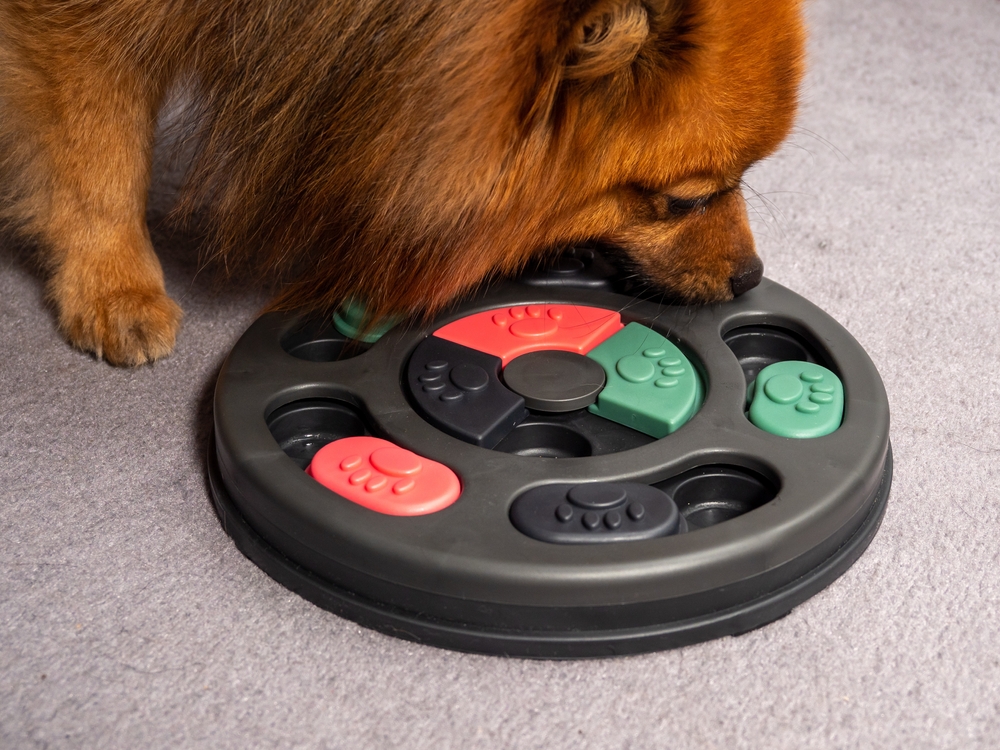
Dog Food Puzzle Toys: A Vet's Guide to Boosting Brainpower & Banishing Boredom
Here's a truth bomb from the trenches: that 'smart' breed you brag about? They're probably bored stiff. We kennel-confined canines are prone to cognitive decline from lack of stimulation. Food puzzles? They're not just toys; they're a non-negotiable enrichment strategy.
For busy owners, here's the deal: Food puzzle toys make your dog think for their supper, slowing down fast eaters and fighting boredom. Choose puzzles based on your dog's personality—sniffers, paw-ers, or ball fanatics. Introduce them slowly with high-value treats, and watch the magic happen.
How to Choose the Best Dog Food Puzzle Toy for Your Pup
Selecting the right food puzzle toy involves understanding your dog's natural inclinations and cognitive abilities. Consider their preferred methods of interaction, whether they enjoy sniffing, pawing, or rolling objects. The goal is to provide mental stimulation without causing undue frustration. The right toy can transform mealtime into an engaging activity that taps into their innate problem-solving skills.
Honestly, the market's flooded with options. First thing I tell my clients is: watch your dog. Does he Hoover his kibble in 60 seconds flat? Or does he delicately mouth every piece like he's judging it? This tells you what kind of puzzle to start with. Slow-feeder bowls are great for speed-eaters. The goal is to slow down ingestion, reducing the risk of bloat (gastric dilatation-volvulus), a life-threatening condition, particularly in deep-chested breeds. This is because rapid eating can lead to excessive air intake, which can cause the stomach to twist.
Matching Puzzle Difficulty to Your Dog's Cognitive Level
Puzzle toys come in various difficulty levels, ranging from beginner-friendly to advanced challenges. Start with a simple puzzle for dogs new to these toys to ensure they experience early success. Gradually increase the complexity as your dog becomes more proficient. This approach keeps them engaged and motivated while preventing frustration. It also helps build their problem-solving skills incrementally.
It's like teaching a kid to read. You don't hand them Shakespeare on day one, do you? Same logic applies here. Start with the equivalent of a picture book. If your dog's demolishing the beginner puzzle in five minutes, it's time to level up. But don't go overboard. The point is mental stimulation, not a canine existential crisis.
The Importance of Toy Size and Material
Selecting a food puzzle toy of appropriate size is crucial for safety and effectiveness. A toy that is too small can be a choking hazard, especially for large breeds, while an overly large toy may be too challenging for smaller dogs to manipulate. Consider the material of the toy as well, opting for durable, non-toxic options that can withstand chewing and rough play. The toy should also be easy to clean to maintain hygiene.
Seen too many emergency surgeries from dogs swallowing bits of toys. So, mission-critical here: size matters. A Chihuahua isn't going to move a Great Dane-sized puzzle, and a Dane will swallow a golf ball-sized one. Material? Look for BPA-free, food-grade plastic or durable rubber. And for the love of all that is holy, clean the damn thing regularly. Bacteria love those little crevices.
A Step-By-Step Guide: How to Introduce Dog Food Puzzle Toys
Introducing food puzzle toys requires a gradual and patient approach. Dogs accustomed to eating from a bowl may initially be confused or uninterested in these toys. Start by making the puzzle easy to solve and rewarding your dog with praise and encouragement. Over time, you can increase the difficulty and complexity of the puzzles to keep them challenged and engaged.
Here's what I tell my clients: Rome wasn't built in a day, and neither is a puzzle-solving prodigy. Don't chuck the puzzle at your dog and expect him to become Einstein overnight. Introduce it slowly, make it fun, and for God's sake, don't make it harder than quantum physics.
1. Start Slow and Supervise Closely
Begin by introducing one or two simple food puzzles and using them only a few times a week. Supervise your dog closely during these initial interactions to ensure they don't become frustrated or overwhelmed. This approach allows them to acclimate to the concept of puzzle toys and learn how to use them effectively. It also allows you to intervene if they get stuck or try to chew the toy destructively.
Think of it like introducing a toddler to finger painting. You don't just unleash them in a room full of paint; you guide them, show them what to do, and clean up the mess. Same principle here. Start slow, watch them like a hawk, and prevent any frustration-induced furniture demolition.
2. Make It Easy: Initial Success is Key
Set the puzzle to its easiest level or provide assistance to help your dog solve it initially. This early success will motivate them to continue playing with the toy and build their confidence. Positive reinforcement during these early interactions is crucial for establishing a positive association with food puzzle toys.
I always tell people, make it rain kibble at first. Load that puzzle like you're trying to win a game show. The goal is to get your dog hooked. Once they realize there's a payoff, they'll be more willing to work for it.
3. Time It Right: Use When They're Hungry
Introduce the food puzzle toy when your dog is hungry but not starving. This will incentivize them to engage with the puzzle and work to obtain the food reward. A moderate level of hunger can enhance their motivation and focus, making them more likely to persist in solving the puzzle.
Basic behavioral science, folks. You wouldn't offer a steak to someone who just ate a Thanksgiving dinner, would you? Wait until they're peckish. A little hunger goes a long way in motivating those brain cells.
4. Up the Ante: High-Value Rewards
Use high-value treats or special food items in the puzzle to make it even more appealing to your dog. This could be something they don't get very often or a favorite treat that they find particularly enticing. The higher the value of the reward, the more motivated they will be to solve the puzzle.
Think of it as bribing a politician – but for a good cause. Forget the regular kibble; we're talking about the filet mignon of dog treats here. Liverwurst, cheese, bits of cooked chicken – whatever makes your dog drool like they've seen a ghost. High-value treats are non-negotiable for initial engagement.
5. Encourage Exploration: Let Them Sniff and Paw
Allow your dog to explore the toy in their own way before stepping in to help. Let them sniff, lick, and paw at it to familiarize themselves with the texture, scent, and movement of the puzzle. This initial exploration can spark their curiosity and encourage them to investigate further.
Step back and let them be a dog for a minute. Let them sniff, lick, and push it around. They need to figure out it's not an alien device. If they get stuck, don't just solve it for them. Give them a nudge in the right direction. Think of it as co-solving, not rescuing.
Red Flag Checklist: When to Call the Vet About Puzzle Toy Problems
While food puzzle toys are generally safe, here's when you need to ditch the DIY approach and call a professional. If your dog shows zero interest after multiple attempts, there could be an underlying medical or behavioral issue. Obsessive chewing or attempts to destroy the toy can indicate anxiety or frustration. And, of course, any signs of gastrointestinal upset (vomiting, diarrhea, loss of appetite) warrant immediate veterinary attention. I've seen blockages that required emergency surgery thanks to dogs ingesting pieces of toys.
Home-Care Hacks: DIY Food Puzzles for the Budget-Conscious Owner
Don't want to drop a fortune on fancy toys? No problem. The exam room is full of items that can be upcycled into enrichment tools. A muffin tin with tennis balls on top becomes a foraging game. An old towel rolled up with kibble hidden inside provides a snuffling challenge. The key is to supervise closely and ensure your dog isn't ingesting any non-food items. Get creative, but always prioritize safety.
Final Thoughts
Food puzzle toys are a fantastic tool for enriching the lives of our canine companions. They offer mental stimulation, promote slower eating, and combat boredom. By choosing the right toys and introducing them gradually, you can help your dog reap the many benefits of these engaging and rewarding activities. Remember to always supervise your dog during playtime and consult with your veterinarian if you have any concerns.