

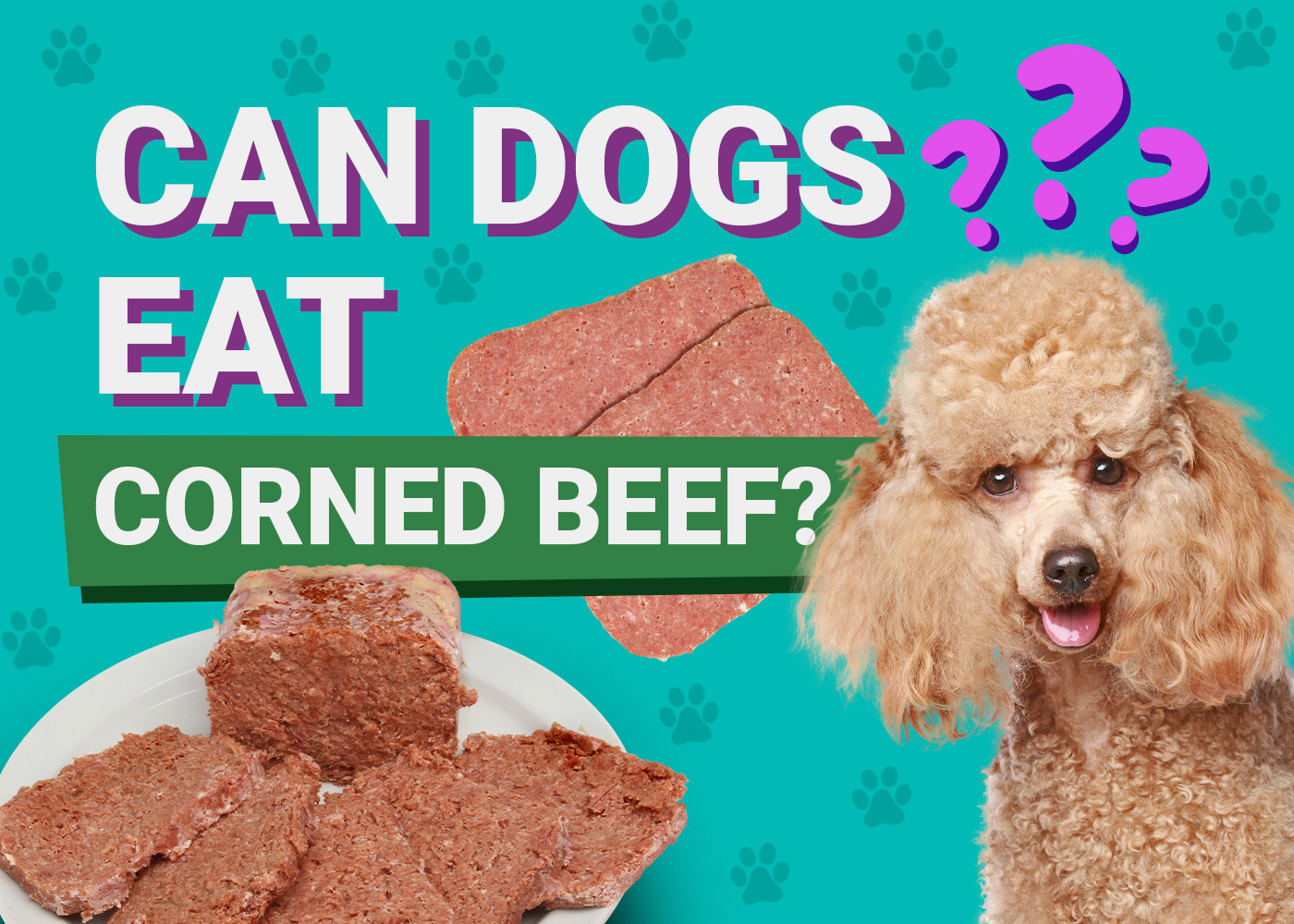
Corned Beef and Dogs: Why This Salty Treat Is a No-Go
Here's a fact that might make you rethink sharing your deli sandwich: dogs don't process sodium the same way we do. What's a tasty treat for you can quickly become a health crisis for them. Especially when it comes to intensely cured meats like corned beef.
For Busy Owners: Corned beef is a definite 'no' for dogs due to its dangerously high salt content. Even a small amount can cause dehydration or worse. Stick to dog-friendly treats to keep your pup safe and healthy.
Why is Corned Beef Bad for Dogs? Understanding the Risks
Corned beef is unsafe for dogs primarily because of its extremely high sodium content and the presence of potentially toxic spices. Ingesting corned beef can lead to serious health issues, making it a food to avoid entirely. The curing process used to make corned beef involves a salt brine that permeates the meat, resulting in sodium levels far exceeding what is safe for canine consumption.
The clinical perspective? We're talking about a potential cascade of physiological problems. Excess sodium disrupts the delicate balance of electrolytes in a dog's body. This triggers a shift of water from cells into the bloodstream, leading to dehydration and potentially impacting kidney function. I've seen dogs come into the exam room with full-blown hypernatremia (that’s vet-speak for too much sodium in the blood) after owners unknowingly shared salty snacks. Trust me, it's not a pretty picture.
The Clinical Perspective (Biological 'Why')
The biological 'why' boils down to canine physiology. Dogs have a lower glomerular filtration rate than humans. This means their kidneys are less efficient at filtering out excess sodium. When a dog consumes a large amount of salt, the kidneys struggle to keep up. This leads to a buildup of sodium in the bloodstream. This excess sodium pulls water out of the cells. This rapid shift can disrupt cellular function and cause neurological signs like tremors or seizures. Remember that sodium also affects blood pressure regulation. This, in turn, affects the heart, potentially causing cardiac issues in susceptible dogs.
Home-Care Hacks (Low-cost, practical tips)
Honestly, the best home-care hack is prevention. Keep corned beef (and other salty human foods) completely out of reach. If your dog does sneak a bite, ensure they have access to plenty of fresh water to help flush out the excess sodium. You can also offer a bland diet of boiled chicken and rice for a day or two to help soothe their digestive system. But remember, this is damage control, not a long-term solution.
The Red Flag Checklist (When to panic vs. when to wait)
Here's when to panic: If your dog exhibits any of the following after eating corned beef, it’s time for an immediate vet visit: vomiting, diarrhea (especially if bloody), tremors, seizures, disorientation, or extreme lethargy. If your dog only had a tiny nibble and is acting completely normal, you can probably just monitor them closely. But when in doubt, call your vet. It's always better to be safe than sorry.
Why is My Dog Suddenly Panting Excessively? The Dangerous Side Effects of Corned Beef
Consuming corned beef can trigger a range of adverse reactions in dogs, from mild gastrointestinal upset to severe neurological symptoms. The high salt content is the primary culprit, but the spices and fat content can also contribute to health problems. When a dog consumes excessive salt, it disrupts the delicate balance of fluids and electrolytes in their body. This leads to dehydration, increased thirst, and increased urination as the body attempts to flush out the excess sodium.
I once had a client whose dog ate a significant amount of corned beef trimmings. The dog presented with severe vomiting and diarrhea. We had to hospitalize him for IV fluid therapy to correct the electrolyte imbalance and prevent kidney damage. It was a stressful and expensive ordeal, all because of a seemingly harmless scrap of food.
The Clinical Perspective (Biological 'Why')
Biologically, the excessive panting is a direct result of the body trying to regulate its temperature and fluid balance. Dehydration thickens the blood, making it harder for the heart to pump efficiently. The body then increases respiratory rate (panting) to try and cool down and eliminate excess water. The vomiting and diarrhea are defense mechanisms to rid the body of the offending substance. But these mechanisms can quickly become counterproductive. Prolonged vomiting and diarrhea further exacerbate dehydration and electrolyte imbalances.
Home-Care Hacks (Low-cost, practical tips)
If your dog is showing mild signs of dehydration (increased thirst, panting), encourage them to drink small amounts of water frequently. You can also offer unflavored Pedialyte to help replenish electrolytes. Avoid giving large amounts of water at once, as this can trigger vomiting. A cool, quiet environment can also help reduce panting. But if the symptoms worsen or persist, seek veterinary attention.
The Red Flag Checklist (When to panic vs. when to wait)
Red flags include: persistent vomiting or diarrhea, lethargy, weakness, tremors, seizures, or any signs of disorientation. These indicate a serious electrolyte imbalance or neurological distress and require immediate veterinary intervention. If your dog is simply panting a bit more than usual after a tiny taste of corned beef, monitor them closely. But don't hesitate to call your vet if you're concerned.
What Should I Do? First Steps After My Dog Ate Corned Beef
If your dog has ingested corned beef, the first step is to assess the amount consumed and monitor for any immediate signs of distress. Small amounts may only cause mild digestive upset, while larger quantities can lead to more serious complications. It's crucial to act quickly and decisively to minimize potential harm.
In the exam room, I always tell my clients to have hydrogen peroxide (3%) on hand. A vet can advise the correct dosage to induce vomiting if the ingestion was recent and the amount was significant. However, never induce vomiting without consulting a vet first, as it can be dangerous in certain situations.
The Clinical Perspective (Biological 'Why')
The biological rationale behind inducing vomiting is to remove the toxic substance (in this case, corned beef) from the stomach before it can be fully absorbed into the bloodstream. Hydrogen peroxide irritates the lining of the stomach, triggering the emetic reflex. However, it's crucial to understand that inducing vomiting is not always appropriate. If the dog is already vomiting, is unconscious, or has ingested a corrosive substance, inducing vomiting can cause further damage. Furthermore, allowing the corned beef to remain in the system will cause elevated levels of sodium in the blood, causing the kidneys to overwork to compensate, potentially leading to kidney damage.
Home-Care Hacks (Low-cost, practical tips)
If you've determined that inducing vomiting is not necessary or appropriate, focus on providing supportive care. Ensure your dog has access to plenty of fresh water to help flush out the excess sodium. A bland diet of boiled chicken and rice can help soothe the digestive system. Monitor closely for any signs of dehydration, vomiting, diarrhea, or neurological symptoms.
The Red Flag Checklist (When to panic vs. when to wait)
Seek immediate veterinary attention if your dog exhibits any of the following: persistent vomiting or diarrhea, lethargy, weakness, tremors, seizures, disorientation, or abdominal pain. These indicate a serious problem requiring professional medical intervention. If your dog is acting normally after a small ingestion, continue to monitor closely. But don't hesitate to call your vet if you have any concerns.
Can Dogs Eat Regular Beef? Safe Alternatives
Plain, unseasoned beef is generally safe for dogs in moderation. It provides a good source of protein and essential nutrients. However, it's crucial to avoid feeding your dog beef that has been seasoned with salt, spices, or other potentially toxic ingredients like garlic or onion.
The Clinical Perspective (Biological 'Why')
From a biological standpoint, lean beef provides essential amino acids that dogs need for muscle development, tissue repair, and immune function. Protein digestion starts in the stomach with pepsin, which breaks down proteins into smaller peptides. These peptides then move into the small intestine, where they are further broken down into individual amino acids by pancreatic enzymes. These amino acids are then absorbed into the bloodstream and used to build and repair tissues throughout the body. However, excessive fat intake can lead to pancreatitis, so it's important to choose lean cuts of beef and avoid adding extra fat during cooking.
Home-Care Hacks (Low-cost, practical tips)
Boiling or baking beef is the safest way to prepare it for your dog. Avoid frying or adding any seasonings. You can also mix cooked beef with your dog's regular food to make it more appealing. Remember, beef should only be a small part of your dog's overall diet. The majority of their calories should come from a balanced commercial dog food.
The Red Flag Checklist (When to panic vs. when to wait)
Even with plain beef, watch out for signs of digestive upset like vomiting or diarrhea. These could indicate a sensitivity to beef or that the portion size was too large. If your dog has a known allergy to beef, avoid feeding it altogether. If your dog is acting normally after eating a small amount of plain beef, there's usually no cause for concern. But always monitor for any adverse reactions.
What About Other Salty Meats? Can Dogs Eat Pastrami or Canned Meats?
Pastrami is essentially corned beef's equally salty cousin and should also be avoided. Canned meats can be tricky. Some are safe, but many contain high levels of sodium and potentially harmful additives. Always check the ingredient list carefully before offering any canned meat to your dog.
The Clinical Perspective (Biological 'Why')
The biological problem with pastrami is the same as with corned beef: excessive sodium. Canned meats often contain preservatives like nitrates and nitrites, which can be toxic to dogs in large quantities. These compounds can interfere with oxygen transport in the blood, leading to a condition called methemoglobinemia. Furthermore, the canning process itself can denature proteins, making them less digestible for some dogs.
Home-Care Hacks (Low-cost, practical tips)
The safest approach is to stick to commercially prepared dog food. If you want to supplement with canned meat, choose options specifically formulated for dogs and with minimal ingredients. Always read the label carefully and avoid products containing high levels of sodium, spices, or artificial additives.
The Red Flag Checklist (When to panic vs. when to wait)
If your dog has eaten pastrami or a questionable canned meat, monitor for signs of vomiting, diarrhea, lethargy, or difficulty breathing. These could indicate sodium toxicity or a reaction to preservatives. Seek veterinary attention immediately if you notice any of these symptoms. If your dog is acting normally after a small taste, continue to monitor closely. But it's always best to err on the side of caution.
In Conclusion: Keeping Your Dog Safe from Salty Treats
Corned beef and other salty meats pose significant health risks to dogs. The high sodium content can lead to dehydration, electrolyte imbalances, and even neurological problems. The best way to protect your furry friend is to avoid feeding them these foods altogether. Stick to dog-friendly treats and a balanced commercial diet to keep them happy and healthy.