

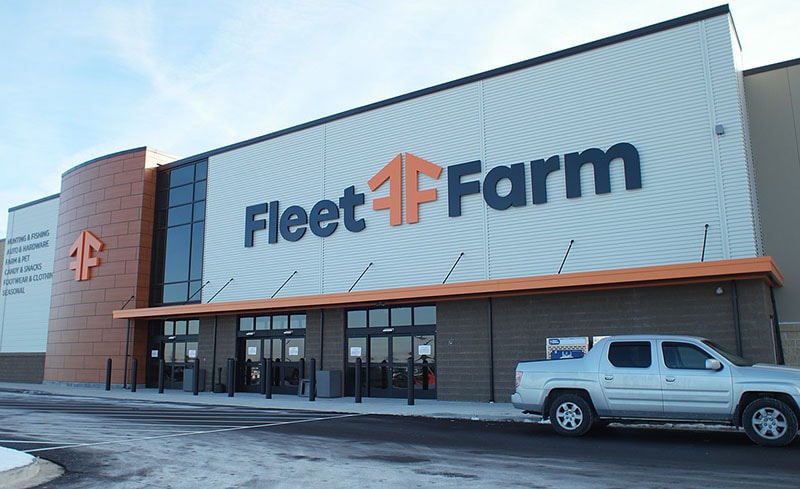
Can I Bring My Dog to Fleet Farm? The REAL Pet-Friendly Policy in 2024
Okay, let's cut the fluff. Here's a counter-intuitive fact: even if a store *claims* to be dog-friendly, the real test is how they handle a 'code brown' situation. I've seen supposedly pet-loving stores flip out over a little accident. It's not just about the welcome mat; it's about the cleanup plan.
For busy owners: Fleet Farm's dog policy is state-dependent, with Wisconsin being the most welcoming. Service animals are always allowed, regardless of location. Always call ahead to confirm the specific store's rules.
Are Dogs Allowed in Fleet Farm? Understanding the State-by-State Rules
The answer to "Are dogs allowed in Fleet Farm?" isn't a simple yes or no. It varies by location, hinging on state laws and individual store management. Wisconsin generally allows well-behaved dogs, while other states have stricter rules due to food sales. Always confirm with your local store before bringing your furry friend.
Here's the deal: the reason for the variability boils down to food safety regulations. Many states have laws prohibiting animals in establishments that sell food to humans. This is to prevent contamination and the spread of pathogens like *Salmonella* and *E. coli*. Wisconsin has a specific exemption for stores where food sales are a small part of the business.
Why Does Wisconsin Welcome Dogs in Fleet Farm Stores?
Wisconsin has a unique law that allows stores with minimal food sales (less than 5% of total revenue) to welcome dogs. This is why Fleet Farm stores in Wisconsin generally allow well-behaved dogs. However, individual store managers still have the right to refuse entry or remove a dog for any reason.
From a clinical perspective, this law acknowledges that the risk of food contamination from a well-managed dog is minimal. However, it places a significant responsibility on dog owners to ensure their pets are house-trained and well-behaved. Think of it this way: a dog with chronic inflammatory bowel disease (IBD), experiencing frequent episodes of diarrhea, poses a higher risk than a healthy, well-potty-trained pooch. The gut microbiome, the complex ecosystem of bacteria in the intestines, can be disrupted in dogs with IBD, leading to increased shedding of potentially harmful bacteria.
Home-Care Hacks for a Successful Fleet Farm Trip (Wisconsin Edition)
- Potty Break First: Ensure your dog has emptied its bladder and bowels *before* entering the store. I tell my clients to walk an extra block, just to be sure.
- Leash Control is Mission-Critical: Keep your dog on a short, non-retractable leash (4 feet or less). This minimizes the risk of them knocking over displays or interacting with other shoppers.
- Bring Your Own Cleanup Kit: Even if the store provides supplies, it's wise to have your own poop bags and disinfectant wipes.
Red Flag Checklist: When to Reconsider Your Shopping Trip
- Your Dog is Anxious or Aggressive: A crowded store is *not* the place to socialize a nervous or reactive dog. Signs of anxiety include excessive panting, lip licking, and a tucked tail. Aggression can manifest as growling, snapping, or lunging.
- Your Dog Has a History of Accidents: If your dog is prone to indoor accidents, even with frequent potty breaks, it's best to leave them at home.
- The Store is Crowded: A packed store increases the risk of your dog being stepped on, bumping into displays, or becoming overwhelmed.
What About Fleet Farm Stores in Minnesota, Iowa, and the Dakotas? Navigating the Rules
The official Fleet Farm website states that companion dogs are generally not allowed in stores outside of Wisconsin. This is due to stricter state laws regarding food sales. However, some stores in these states *may* unofficially allow dogs, especially if they don't sell consumable food items. It's crucial to call ahead and confirm.
The underlying issue is that states like Minnesota, Iowa, South Dakota, and North Dakota don't have the same exemptions as Wisconsin. Even a small amount of food sales can trigger a blanket ban on animals in the store. This is based on the principle of minimizing risk, even if the actual risk posed by a well-behaved dog is low. From a public health standpoint, it's about setting a clear standard and avoiding ambiguity.
The "Unofficial" Dog Policy: Decoding Store Manager Discretion
Here's where it gets interesting. Some store managers may turn a blind eye to well-behaved dogs, even if the official policy prohibits it. This is especially true in stores that don't sell a significant amount of food. However, this is entirely at the manager's discretion, and you risk being asked to leave.
Honestly, I've seen this happen in the exam room. Owners tell me, "Doc, they let my dog in last week!" and then get surprised when they're turned away the next time. It's a gamble, and it depends on who's working that day. The key is to be respectful and understanding if you're asked to leave. Arguing with the manager will only make things worse.
Service Dog Access: Understanding Your Rights at Fleet Farm
Service animals are *always* allowed in all Fleet Farm stores, regardless of state law. This is protected under the Americans with Disabilities Act (ADA). Store personnel can only ask two questions: is the dog a service animal required because of a disability, and what work or task has the dog been trained to perform?
The ADA is very clear on this: service animals are not pets. They are working animals that provide essential support to individuals with disabilities. The law prohibits discrimination against individuals with disabilities, and that includes denying access to their service animals. However, it's mission-critical to understand the difference between a service animal and an emotional support animal (ESA). ESAs do *not* have the same legal protections as service animals.
Home-Care Hacks for Service Dog Owners
- Carry Documentation (Optional): While not legally required, having documentation from a recognized service dog organization can help avoid misunderstandings.
- Ensure Your Dog is Clearly Identified: A vest or harness clearly identifying your dog as a service animal can also help.
- Be Prepared to Educate: Unfortunately, many people are not familiar with the ADA and the rights of service animal users. Be prepared to politely educate store personnel if necessary.
Summing Up: Navigating Fleet Farm's Dog Policy
In conclusion, Fleet Farm's dog policy is a mixed bag. Wisconsin stores are generally dog-friendly, while other states are more restrictive. Service animals are always welcome. The best approach is to call ahead and confirm the specific store's policy before bringing your dog. And remember, responsible pet ownership is the key to ensuring that dogs continue to be welcome in public places.