

Beyond Kibble: 6 Purr-Fectly Healthy Treat Ideas for Your Cat (Vet Approved)
Here's a truth bomb most owners miss: treats aren't 'free' calories. They directly impact your cat's overall nutritional balance. Think of it like this: even 'healthy' treats can unbalance a carefully formulated diet. So, before you reach for that bag of tempting goodies, let's explore some options that won't derail your feline friend's health.
For Busy Owners: Overfeeding treats is a fast track to obesity and related health issues in cats. Consider using a portion of their regular kibble as a treat to avoid excess calories. Affection and playtime are excellent, calorie-free alternatives to show your cat you care.
Why is My Cat Gaining Weight? Understanding the Treat-Obesity Link
The overfeeding of treats is a significant contributor to feline obesity. This isn't just about aesthetics; obesity is linked to serious health problems. Think diabetes, arthritis, and even a shorter lifespan. We see this all the time in the exam room. Owners are shocked to learn their 'little treats' are doing so much harm. The underlying biology is simple: excess calories, regardless of the source, get stored as fat. This excess fat tissue then releases hormones and inflammatory substances, wreaking havoc on your cat's metabolism and overall health. This inflammatory state can even accelerate telomere shortening, a key marker of aging.
The Clinical Perspective (Biological 'Why')
From a clinical standpoint, it's mission-critical to understand that a cat's digestive system is designed for a diet primarily consisting of protein and minimal carbohydrates. When we overload them with treats, especially those high in carbohydrates or unhealthy fats, we disrupt their metabolic balance. This can lead to insulin resistance (hello, diabetes!) and increased levels of inflammatory markers like C-reactive protein (CRP). Furthermore, obesity puts extra stress on joints, accelerating the degenerative processes of osteoarthritis. I tell my clients to think of treats as medication: a little can be helpful, but too much is definitely harmful.
Home-Care Hacks (Low-cost, Practical Tips)
- Kibble Rationing: Dedicate a portion of their daily kibble allowance for treats. This helps manage calorie intake.
- Interactive Toys: Use treat-dispensing toys to make treat time more engaging and less about mindless eating.
- Affection First: Before reaching for a treat, try petting, playing, or talking to your cat. Often, they just want attention.
The Red Flag Checklist (When to Panic vs. When to Wait)
- Rapid Weight Gain: If your cat is gaining weight rapidly despite no changes in their regular diet, consult your veterinarian.
- Lethargy and Decreased Activity: These can be signs of underlying health problems related to obesity.
- Changes in Appetite: Increased or decreased appetite can indicate metabolic imbalances.
What are Some Healthy, Low-Calorie Cat Treat Alternatives?
Finding healthy treat alternatives for your cat involves understanding their nutritional needs and preferences. Cats are obligate carnivores, meaning they require a diet rich in animal protein. Treats should complement this dietary requirement, not detract from it. Consider options that are low in carbohydrates and unhealthy fats, and high in protein. Remember, even healthy treats should be given in moderation to avoid disrupting their overall diet. In terms of the biological 'why,' focusing on protein supports muscle maintenance and provides essential amino acids, while limiting carbs prevents blood sugar spikes and potential weight gain.
Small Pieces of Lean Meat
Small pieces of cooked, lean meat, like chicken or turkey, can be a great treat. These provide essential amino acids and satisfy their carnivorous cravings. But keep the pieces tiny! We're talking pea-sized portions. The biological benefit here is that you're providing high-quality protein without unnecessary fillers or additives. Protein supports muscle mass and provides the building blocks for essential enzymes and hormones. However, avoid processed meats, which are often high in sodium and preservatives.
Their Kibble (Portion Controlled!)
Honestly, this is one of the easiest and most effective strategies. Simply set aside a portion of their daily kibble to use as treats. This eliminates excess calories and ensures they're still getting a balanced diet. The key is portion control. Don't just mindlessly dole out handfuls. Measure out their daily kibble allowance and use a small portion of that for treats. This prevents overfeeding and keeps their calorie intake in check. It's a simple, practical way to manage their weight without sacrificing treat time.
Dried Liver (In Moderation)
Dried liver can be a palatable and protein-rich treat for cats. However, it's crucial to give it in moderation due to its high vitamin A content. Too much vitamin A can lead to toxicity. Think of it as a special occasion treat, not an everyday snack. From a biological standpoint, the liver is a nutrient-dense organ, providing essential vitamins and minerals. But its richness also means it should be given sparingly to avoid any potential imbalances. Look for reputable brands that source their liver from healthy animals.
Are Homemade Cat Treats a Good Idea? What to Consider
Homemade cat treats can be a fantastic way to control the ingredients and ensure your cat is getting healthy snacks. However, it's mission-critical to do your research and understand your cat's nutritional needs. Avoid recipes that include ingredients toxic to cats, such as onions, garlic, and chocolate. Focus on simple recipes with limited ingredients, primarily protein sources. The biological advantage of homemade treats is that you can tailor them to your cat's specific needs and preferences, avoiding common allergens or sensitivities. Just be sure to consult with your veterinarian or a veterinary nutritionist to ensure your homemade treats are nutritionally balanced and safe.
Wet Cat Food (As a Treat)
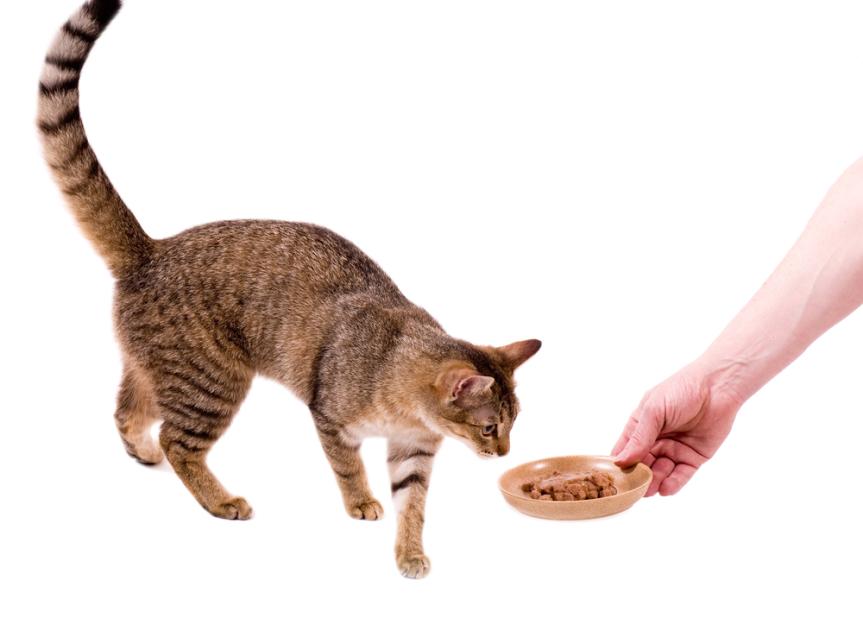
A small amount of wet cat food can be a palatable and hydrating treat option. It's often more appealing to cats than dry kibble and can be especially beneficial for cats who don't drink enough water. The biological benefit is the added hydration, which is crucial for kidney health. Cats are prone to dehydration, and wet food can help increase their water intake. Look for wet food formulas that are high in protein and low in carbohydrates and fillers. Again, portion control is key. A spoonful or two is plenty for a treat.
Commercial Treats (Choose Wisely!)
If you opt for commercial cat treats, choose wisely. Read the ingredient list carefully and avoid treats that are high in fillers, artificial colors, and preservatives. Look for treats that list a named protein source as the first ingredient. The biological principle here is to prioritize treats that provide nutritional value rather than empty calories. Avoid treats with vague ingredient lists or excessive amounts of sugar or salt. Talk to your veterinarian about recommended brands and formulations. They can help you choose treats that are appropriate for your cat's specific needs and health conditions.
Affection (The Ultimate Calorie-Free Treat)
Never underestimate the power of affection! Cats crave attention and interaction. A pat on the head, a scratch behind the ears, or a few minutes of playtime can be just as rewarding as a food treat. The biological benefit is the release of endorphins and other feel-good hormones, which strengthen the bond between you and your cat. Plus, it's completely calorie-free! Use treat time as an opportunity to bond with your cat through affection and play. You might be surprised at how quickly they forget about the treats.
How Can I Limit My Cat's Treat Intake?
Limiting your cat's treat intake requires a multi-pronged approach. Start by calculating their daily calorie needs and factoring in the calories from treats. Reduce the size and frequency of treats. Replace some treats with affection and playtime. Be consistent with your approach and communicate with all members of the household to ensure everyone is on board. The biological reason to limit treat intake is to maintain a healthy weight and prevent obesity-related health problems. By controlling their calorie intake, you can help your cat live a longer, healthier life.