

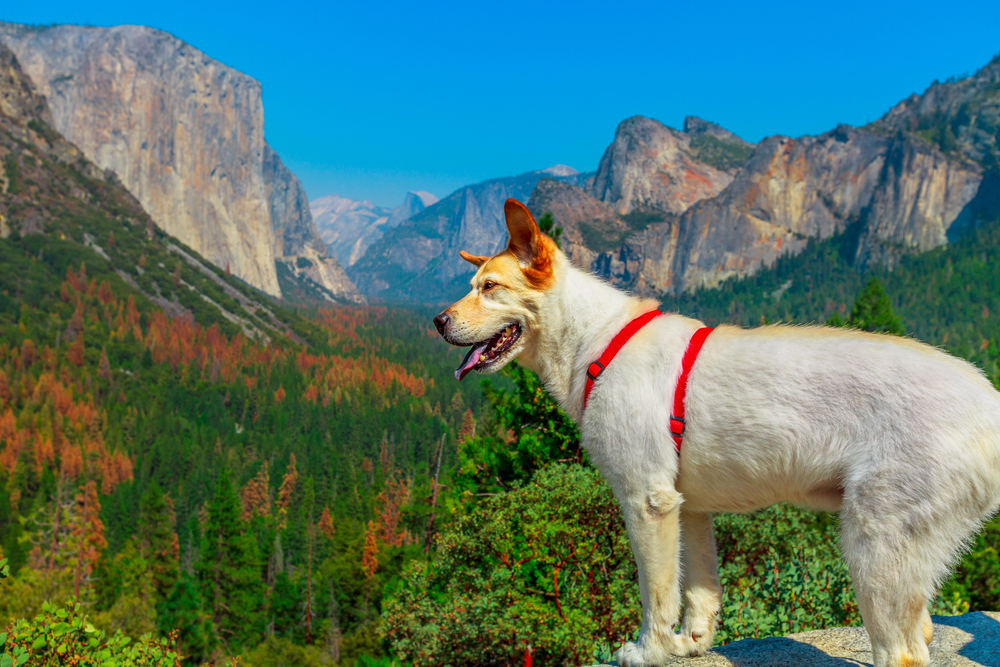
Yosemite with Your Dog: 6 Tail-Wagging Trails (and Essential Safety Tips)
Here's a truth bomb straight from the clinic: more dogs get heatstroke in national parks than from running agility courses. People assume that because *they're* enjoying the scenery, their dog is too. Nope. Planning is mission-critical.
Yosemite National Park offers stunning vistas, and while dogs aren't allowed on all trails, several options exist for hiking with your canine companion. These trails provide a chance to experience Yosemite's beauty together. Remember to adhere to park rules, keep your dog leashed, and bring essential supplies like water and waste bags. Prioritize your pet's safety and comfort above all else.
6 Yosemite Dog-Friendly Trails: Your Complete Guide
Want to explore Yosemite with your best friend? Several trails welcome leashed dogs, offering varied terrain and stunning views. It's non-negotiable to know which trails are permitted. Always check for updates before your visit, as conditions can change rapidly.
1. Wawona Meadow Loop: A Gentle Start
Wawona Meadow Loop is a 3.5-mile, mostly flat dirt road trail that's perfect for a relaxed hike with your dog. The loop offers plenty of shade and is located near a hotel and restaurant, making it a convenient option. Be aware that the trail can get muddy after rain or snow.
The Clinical Perspective: Think of this trail as a 'sniffari' for your dog. The diverse smells stimulate their olfactory bulb, which is far more developed than ours. That stimulation releases endorphins, natural mood boosters. Just watch out for foxtails; these barbed seeds can cause serious abscesses, I've pulled dozens out of paws in the exam room.
Home-Care Hacks: After your hike, do a thorough paw check. Look between the toes for any embedded debris. A simple rinse with water can prevent irritation. Keep a travel-sized first-aid kit with you that includes canine-safe antiseptic wipes.
The Red Flag Checklist: Excessive panting, stumbling (ataxia, in vet-speak), or brick-red gums are NOT normal. These are signs of heatstroke. Get your dog to a vet IMMEDIATELY. Time is muscle, as we say.
2. Mirror Lake Paved Trail: Accessible Beauty
The Mirror Lake Paved Trail is a 2.4-mile paved trail around Mirror Lake, offering a flat and accessible option for dogs and their owners. It is kid-friendly, but can get crowded, especially during peak season. A parking lot is conveniently located near the trailhead.
The Clinical Perspective: Paved trails are easier on older dogs with arthritis. The smooth surface reduces joint stress. Remember that chronic inflammation is the enemy; it accelerates cartilage breakdown. Ask your vet about chondroprotectives like glucosamine and chondroitin sulfate.
Home-Care Hacks: Bring a portable water bowl and offer your dog water frequently, even if they don't seem thirsty. Pack a cooling vest, especially if you're hiking during the warmer months. These vests use evaporative cooling to help regulate your dog's body temperature.
The Red Flag Checklist: Limping after the hike isn't just 'soreness.' It could indicate a sprain or strain. Apply ice packs for 15 minutes, twice a day. If the limping persists for more than 24 hours, it's time for a vet visit.
3. Bridalveil Fall Trail: A Quick Waterfall Fix - Is it safe?
Bridalveil Fall Trail is a short, 0.5-mile paved loop that provides views of one of Yosemite’s most famous waterfalls. The path is flat and kid-friendly but can get slippery in places. Be extremely careful near the waterfall and stay on the trail.
The Clinical Perspective: The mist from waterfalls can harbor bacteria and fungi. While the risk is low, some dogs are more susceptible to respiratory infections, especially those with brachycephalic (short-nosed) breeds. Keep a close eye on your dog for coughing or sneezing in the days following your visit.
Home-Care Hacks: After visiting the falls, gently wipe down your dog's face and paws with a damp cloth. This helps remove any potential irritants or allergens. Consider using a canine-specific nasal rinse to flush out any inhaled particles.
The Red Flag Checklist: Persistent coughing, nasal discharge, or lethargy are red flags. These could indicate a respiratory infection. Schedule a vet appointment promptly.
4. Lower Yosemite Fall Loop: Waterfall Views Made Easy
Lower Yosemite Fall Loop is a 1.0-mile paved loop that offers multiple views of a 320-foot waterfall. The path is stroller-friendly and wheelchair accessible on the east side, but can get slippery and icy. The waterfall may be dry from late summer until October.
The Clinical Perspective: The sound of rushing water can be stressful for some dogs. Their hearing is far more sensitive than ours. Look for signs of anxiety: tucked tail, lip licking, or yawning. If your dog seems distressed, move further away from the falls.
Home-Care Hacks: Desensitize your dog to loud noises at home. Play recordings of waterfalls or thunderstorms at low volumes, gradually increasing the volume over time. Pair these sounds with positive reinforcement, like treats or praise.
The Red Flag Checklist: Diarrhea or vomiting after drinking from streams or puddles is a major red flag. This could indicate giardiasis or other parasitic infections. Collect a fecal sample and take your dog to the vet.
5. Cook’s Meadow Loop: Panoramic Perfection
Cook’s Meadow Loop is a 1.0-mile paved loop with views of Half Dome, Yosemite Falls, Glacier Point, and Sentinel Rock. It is stroller and wheelchair-friendly unless covered in snow. The loop is located near the visitor center, museum, and restaurant.
The Clinical Perspective: Open meadows expose your dog to allergens like pollen and grasses. If your dog starts scratching excessively (pruritus, in vet-speak) or develops hives, they may be experiencing an allergic reaction. Antihistamines like diphenhydramine can provide relief, but always consult your vet for the correct dosage.
Home-Care Hacks: Bathe your dog with a hypoallergenic shampoo after your hike to remove allergens from their coat. Consider adding omega-3 fatty acids to their diet to support skin health and reduce inflammation. I tell my own clients this all the time.
The Red Flag Checklist: Facial swelling or difficulty breathing are signs of a severe allergic reaction (anaphylaxis). This is an emergency. Get your dog to a vet immediately.
6. Chowchilla Mountain Road: The Rugged Route
Chowchilla Mountain Road is an old stagecoach road located within Yosemite National Park. Parking is easiest at the Wawona Visitor Center. The trail can be rough and steep in places. No facilities or water are available along the route. Off-road vehicles are allowed at certain times of the year.
The Clinical Perspective: This trail is not suitable for all dogs. The rough terrain can be hard on their paws, especially if they're not used to it. Check their paw pads frequently for cuts, abrasions, or blisters. Paw pad injuries are common in active dogs, honestly.
Home-Care Hacks: Consider using paw wax or booties to protect your dog's paws on rough terrain. These products create a barrier between the paw pads and the ground, reducing the risk of injury. Always trim your dog's nails to prevent them from catching on rocks or roots.
The Red Flag Checklist: Lameness or reluctance to walk are red flags. These could indicate a paw injury or musculoskeletal problem. Rest your dog and apply ice packs. If the lameness persists, consult your veterinarian.
Conclusion
Exploring Yosemite with your dog can be an unforgettable experience. By choosing dog-friendly trails and taking necessary precautions, you can ensure a safe and enjoyable adventure for both you and your furry friend. Remember to always prioritize your dog's health and well-being, and be respectful of the park's rules and regulations.